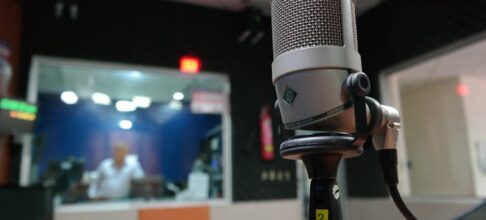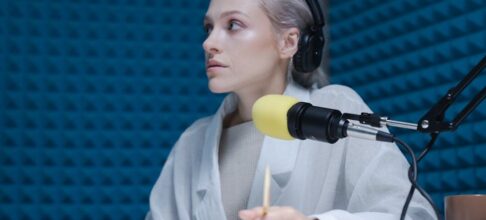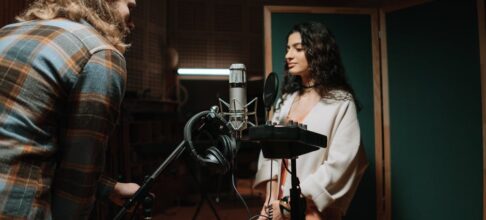
The sound booth in downtown Athens hasn’t changed much since 2006, except that these days, there’s an iPad next to the battered script stand. On a Thursday afternoon, the studio is prepping for another round of localizing content for a Nordic streaming platform. The main change? The workflow—three voice actors instead of six, and every take gets flagged on a shared Google Sheet. This is what “Greek Voice Over” looks like in practice now: less grandeur, more precision; fewer bodies in the room, but tighter deadlines.
A Brief History—And Why It Still Matters
Go back to early satellite TV days. Back then, Greek dubbing was mostly reserved for children’s animation and telenovelas. By 2010, with Netflix and Amazon Prime chasing pan-European audiences, expectations shifted: adult dramas required high-quality Greek dubs if you wanted real traction locally. Studios like ARTemis (Athens) or smaller post houses in Thessaloniki grew their rosters from half a dozen regulars to thirty-plus contracted talents by the late 2010s.
During the COVID-19 lockdowns of 2020–21, remote recording became not just plausible but necessary—even for Greek projects. Studios scrambled to equip actors with home setups. Some reports put remote session volume at nearly 60% during peak restrictions; today it’s more like 15%, according to producers at Athens-based Dubbing Brothers Hellas.
AI Tools Versus Human Cadence
Here’s where tension brews: everyone talks about AI voice synthesis as if it will bulldoze traditional workflows overnight. In reality—at least among Greek-language professionals—the shift is cautious and piecemeal. Major localization agencies (think VSI Group with their regional office in Piraeus) quietly pilot AI-assisted timing tools like Voicemod or Respeecher for scratch tracks and pickups, but full AI dubs remain rare for premium content.
There are simply too many cultural nuances baked into the Greek language—intonation patterns linked to region or social class—that no neural net has quite mastered yet. A recent campaign for Ubisoft Greece involved using an AI-generated reference track before bringing in veteran actor Kostas Hatzichristos for final takes on their latest Assassin’s Creed DLC localization.
This hybrid approach has become standard: synthetics speed up alignment and allow clients in Paris or Stockholm to preview scenes quickly; humans add interpretive finesse and legal compliance (Greek labor law still insists on union talent for broadcast). In one mid-sized game studio in Prague working on international releases, teams report that Greek voice assets require roughly 30% more human review than other European languages due to subtler phrase structure differences.
Streaming Platforms Want It All—Yesterday
Netflix expanded its dedicated Athens audio team after seeing a spike in demand post-2019 launch of several original series with heavy dialogue loads (“The Witcher,” “Casa de Papel”). They brought on local supervisors fluent not just linguistically but culturally—people who could spot when a literal translation would fall flat with older viewers from Crete or young urbanites streaming on mobile.
In real production cycles observed at Pan Productions (a boutique sound house near Monastiraki), turnaround times have compressed from four weeks per episode in 2018 to barely ten days by mid-2023. Two-thirds of jobs now specify multi-platform delivery: linear TV, OTT platforms like Cosmote TV GO, plus TikTok teasers requiring punchier cuts.
Why Games Are Different—and Getting Trickier
If there’s one sector bucking automation trends in Greece right now, it’s video games localization. Studios such as Thessaloniki’s Triskelion Interactive insist on full-cast live sessions for narrative-heavy titles—even as European rivals embrace synthetic voices for non-player characters (NPCs).
A common pattern: RPGs set in ancient Greece (think Ubisoft again) expect authentic dialect work—a Peloponnesian accent here, Northern Macedonian flavor there—which is rarely achievable with out-of-the-box digital voices trained mainly on Athenian newsreel samples. One producer described having to audition over twenty regional speakers just to nail three key roles last year.
Commercial Spots Go Leaner—but Not Cheaper
For advertising campaigns handled by major agencies such as Soho Square Athens, efficiency is king—but the price per finished minute has barely dropped compared to pre-pandemic rates. Typical radio or web spots now use one primary talent recorded direct-to-digital via Source Connect (an industry favorite), while creative directors dial in remotely from London or Milan.
One recent workflow example: For a multinational yogurt brand relaunching across Greece and Cyprus last year, initial scripts were generated by an English-speaking creative team using ChatGPT-style copy tools; only once approved did they route through native-speaking adapters before entering voice casting rounds—a process that took two weeks instead of the usual month-long cycle thanks largely to faster internal communication channels rather than automation itself.
Still Room for Outliers—and Risks of Erosion?
Despite all this streamlining and tech infusion, some worry about long-term erosion of local character work. There are whispers among veteran narrators that young actors are being undertrained (“They come straight off Instagram reels—they can mimic tone but haven’t acted live,” grumbled one agency owner).
And beyond Athens? Smaller cities face different constraints: studios in Patras or Heraklion often rely heavily on remote direction via Zoom—a workable stopgap but prone to sync issues when internet connections lag during multi-person sessions.
How Localization Quality Gets Measured Now—and Why That Changes Everything
Unlike five years ago when client approval was mostly subjective (“Does it feel Greek enough?”), today’s feedback loops involve time-stamped QA forms shared through cloud platforms like Frame.io or QTAKE Cloud Review. In larger contracts managed out of Milan or Paris HQs, completion bonuses hinge on error rates below 2% per episode/spot—a level demanding rigorous second-pass listening by native proofers rather than junior linguists alone.
Adaptation Outside Broadcast—E-Learning & Apps Surge Forward
Not everything passes through conventional media gates anymore. The last two years saw e-learning platforms mushroom across southern Europe—notably Sofia-based LinguaLift adapting entire K–12 modules into regional Greek dialect variants post-2021 pandemic school closures (by some estimates tripling their project headcount between 2020–22). Here too the workflow blends remote narration sessions with aggressive cloud collaboration tools—not so much replacing humans as splintering production across dozens of freelancers dialing in from disparate islands and suburbs alike.
Final Thoughts From Inside The Booth
Ask anyone behind a pop shield south of Syntagma Square: The work has never been faster—or more fragmented. There is no single path forward; some houses double down on craft while others experiment with AI augmentation wherever clients will tolerate it. What unites them? A gnawing sense that “Greek Voice Over” isn’t just technical problem-solving—it’s cultural navigation amid shifting sands.