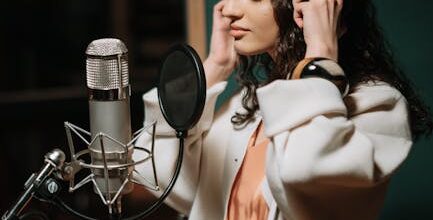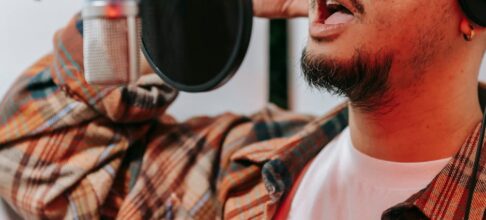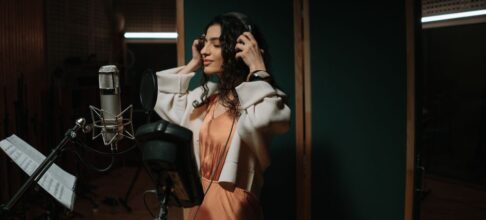
You can trace the sound of progress through a microphone, but it rarely comes without static. When Netflix launched "We the People" in 2021, showcasing Black voice talent and writers, it wasn’t because there was suddenly new African American talent. It was because studios finally tuned into what had been simmering for decades—a demand for voices that reflect audiences, not just narrate to them.
That tension—between representation and tokenism—has shaped the African American voice over (VO) landscape far more than any headline about “growing diversity.” Anyone who’s sat in on a casting session at a mid-sized New York agency knows: sometimes directors want an authentic urban cadence, other times they want “neutral” tones unconsciously biased toward white Midwestern delivery. The contradiction is as persistent as it is subtle.
The Unwritten Audition Rulebook
In Los Angeles recording booths, scripts often arrive with coded language. “Urban edge.” “Hip vibe.” “Approachable but authoritative.” These are rarely accidental. As several veteran African American VO artists will attest—one recalls her first big campaign for Sprite in 2015—directors still sometimes expect you to perform your identity rather than inhabit it.
But this double-bind creates its own opportunities. According to data from Voices.com, projects requesting diverse or multicultural accents have grown steadily since 2017—estimated at a 20% uptick over five years. Yet the real shift isn’t just quantitative; it’s qualitative. Brands like Nike and Disney now seek not caricature but genuine perspective: a voice that doesn’t just fit the script but shapes its meaning.
From Atlanta Studios to Global Streams
Consider AudioCom, a boutique post-production studio based in Atlanta, which began specializing in multicultural castings around 2018 after losing out on several high-profile campaigns due to lack of representation. By 2022, nearly half their bookings required African American or Afro-Latinx vocal talent—not only for commercials but for animated series localizations headed for European markets.
A producer at AudioCom describes how workflows have changed: instead of single-day cattle-call auditions, teams now spend days workshopping with actors to nail tone and authenticity. For one Polish streaming platform’s launch of an American drama last year, AudioCom provided both English-language ADR (automated dialogue replacement) and regionalized voice dubs tailored for Warsaw audiences who wanted cultural nuance—not clichéd slang.
Shifting Sands in Gaming Narratives
Gaming is another proving ground—and battleground—for genuine representation. Ubisoft Toronto made headlines back in 2019 after bringing on Black Canadian voice actor Marcus Reddick to lead motion capture and VO sessions for "Watch Dogs: Legion." He wasn’t cast solely because of his background; he was hired after workshops where his improvisation layered depth onto a character originally written with little specificity.
A pattern has emerged across North America and Europe: localization studios like Side UK (London) now routinely recruit African American VO professionals not just as performers but as consultants during script adaptation phases, especially when games target US or global release windows. In practice? This means more time spent in writer rooms—and higher pay scales reflecting expertise rather than novelty value alone.
Commercials Beyond Cliché: Crafting Campaigns That Stick
The old days of typecasting aren’t over—but they’re less tolerated by clients conscious of social backlash. In Australia, agencies such as Clemenger BBDO have begun running two-tiered audition processes: one focused solely on blind listening panels where racial background is not disclosed until callbacks. According to their Sydney office head of production, this led to a measurable rise—about 15% year-over-year—in contracts going to Black Australian and Pacific Islander voice artists between 2020–2023.
But here’s the paradox: even as inclusion becomes standard operating procedure at major agencies (think Dentsu’s New York office mandating DEI shortlists), independent creators are quietly pushing boundaries further. Small podcasts—the ones charting on Spotify Australia or Apple Podcasts Canada—are often where up-and-coming Black talent gets noticed first by multinational brands hungry for fresh sound signatures.
AI Enters the Booth… Awkwardly?
Ask anyone managing audio pipelines at London-based localization firms like ZOO Digital about synthetic voices—they’ll admit these tools are improving rapidly since their introduction around 2017. But here’s what doesn’t make headlines: most AI-driven solutions stumble when asked to replicate nuanced cultural intonation present in authentic African American speech patterns.
Last year, ZOO Digital ran pilot projects using neural TTS engines trained on datasets curated from actual Black voice actors (with their consent). The results? While passable for background NPCs or utility narration, main characters felt flat compared to recordings done with real actors collaborating live with scriptwriters—a workflow that remains irreplaceable if emotional resonance matters.
Training Pipelines & Career Ladders No One Talks About
For many aspiring talents from Baltimore or Detroit who lack industry connections, getting started often means self-producing demo reels using affordable gear like Focusrite Scarlett interfaces and Adobe Audition software—a process increasingly formalized by non-profits like Reel Works NYC since the late 2010s. Their workshops pair young Black creators with working pros from agencies including Wieden+Kennedy Portland (“Nike-level” clients) who provide both technical feedback and career navigation tips seldom shared publicly.
As a result? Several Reel Works graduates booked national campaigns within two years—one landed recurring roles voicing animated shorts distributed on Amazon Prime Video Germany—a pipeline unthinkable even ten years ago outside LA or Chicago's biggest union shops.
Money Flows Where Ears Go: Economic Impacts That Matter Now
The economics are shifting fast enough that legacy rates charts barely keep pace. SAG-AFTRA reported that average session fees for African American narrative work jumped approximately 12% between 2020 and early 2024—a rise driven largely by digital-first content platforms scaling up multilingual launches worldwide.
There’s also geographic spillover: Berlin-based media houses now regularly source talent via remote ISDN/Source-Connect links direct from US cities like Atlanta or Dallas—an arrangement unimaginable before pandemic-era normalization of distributed production cycles.
Building Community Outside Old Gatekeepers
Community-driven events matter more than ever—a point proven by NYC's annual Urban Voice Actor Summit (founded post-2016). Unlike traditional casting fairs dominated by agents pitching polished reels, these gatherings feature live direction clinics where producers from networks such as BET or NBCUniversal challenge attendees with real-time commercial copy reads under tight deadlines.
Attendees report this format delivers actionable feedback rarely found elsewhere—and tangible outcomes too; roughly one-quarter leave with at least one callback offer according to event organizers’ tracked stats since 2022.
A Brief Historical Detour
It bears remembering just how recent some doors opened—and how much persistence paved the way. Back in the early ‘80s and ‘90s, pioneers like Don LaFontaine (the legendary “movie trailer guy,” albeit himself not African American) worked alongside emerging Black narrators such as Rodney Saulsberry who pushed past radio stereotypes into mainstream advertising voice overs long before DEI policies trended nationwide.
Those battles may feel distant today amidst streaming booms—but every seasoned producer knows history repeats itself whenever budgets get tight or executives default back toward so-called "universal" accents—which too often means erasing anything distinctively Black from finished cuts unless someone pushes back inside the room.
What Actually Works Today? Lessons From Both Sides Of The Glass
Talk to session directors at NY-based Audible Studios—or indie podcasters recording out of spare bedrooms in Houston—and you’ll hear versions of the same lesson: authenticity sells better than mimicry every time audiences can actually sense difference between lived experience and surface imitation. It shows up in audience retention figures too; Spotify analytics suggest shows fronted by genuine African American narrators sustain higher completion rates among US listeners aged under 35 compared to shows relying solely on generic professional readers—even when subject matter overlaps closely.