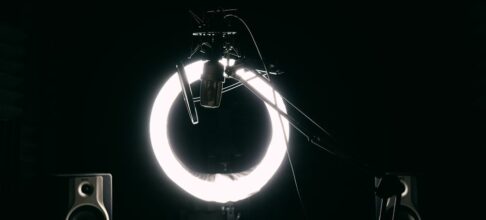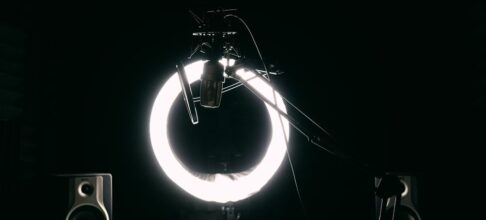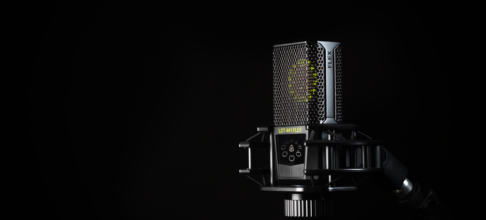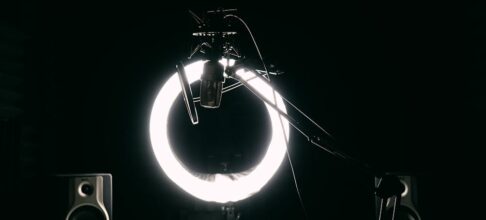
It’s a late autumn afternoon in Milan, and the corridors at Raflesia Studio are humming. Two veteran voice actors rehearse lines from an upcoming Netflix crime series. The director toggles between takes while a project manager fields calls from Paris and Berlin. There’s tension in the air—the deadline is tight, streaming giants want faster turnarounds, and every second counts.
Beneath this scene lies a truth that rarely makes headlines: Italian voice over—far from being just a creative craft—is a robust economic engine threaded through Italy’s media, tech, and cultural sectors. But how exactly does this invisible workforce move money? Who wins (and who scrambles) as demand explodes for dubbed content in the era of global streaming?
Where Dub Meets Demand: Streaming Changed Everything
Until the mid-2010s, most Italian dubbing houses worked with predictable cycles—Hollywood blockbusters, some anime imports, maybe an arthouse film from France or Spain. Then platforms like Netflix (arriving in Italy in ) upended everything.
A Milan-based post-production coordinator described it bluntly last year: "We went from handling ten shows per quarter to forty. Budgets didn’t quadruple overnight, but expectations did." In practice, this meant doubling rosters of freelance voice talent and investing heavily in studio upgrades—soundproofing booths, AI-assisted editing suites—all sourced locally.
For example, Lux Vide—a major Italian drama producer known for international hits like "Medici"—now factors dubbing costs into every co-production deal with US networks or Amazon Prime Video. Insiders say that for flagship series, voice over and localization can make up 8–% of total production budgets. If a season costs € million to shoot and finish, nearly €1 million might flow directly into the hands of actors, directors, audio engineers—and dozens more behind-the-scenes specialists.
More Than Voices: The Layered Supply Chain
There’s a misconception among outsiders that Italian voice over is just about hiring an actor to read lines. In reality? A single blockbuster adaptation involves:
- Dialogue writers adapting scripts for linguistic nuance.
- Casting coordinators sourcing native speakers with distinct regional accents (Neapolitan vs Tuscan)
- Audio mixers who must match lip movements frame-by-frame.
- Localization QA teams verifying cultural accuracy before sign-off.
In Rome’s Technosound Studios—a key supplier for Disney+ projects—the workflow often resembles a relay race more than assembly line work. Each episode passes through six to eight hands before final approval. Multiply that by hundreds of episodes each quarter; you see why even small studios can employ – people full-time during peak seasons.
Italy's Market Oddities: Why Dubbing Still Dominates Here
Unlike Scandinavia or the Netherlands—where subtitles rule—Italy remains fiercely loyal to dub culture. Historical context matters: Since Mussolini-era policies banned foreign languages on screen in the 1930s (ostensibly to promote national unity), generations have grown up preferring local voices over original tracks.
This isn't just tradition—it’s economics. Local box office returns confirm that poorly dubbed films see –% lower ticket sales compared to top-tier adaptations (according to figures shared informally by operators at Circuito Cinema). For US studios aiming to recoup distribution costs on blockbusters like "Fast & Furious" sequels or Marvel tentpoles, skimping on quality voice work isn’t an option.
Case Study: Gaming Localization in Bologna
While audiovisual dubbing grabs headlines, another sector has quietly ballooned: video game localization. Bologna-based Binari Sonori began as a two-person recording room in the early 2000s; now it handles AAA titles for Ubisoft and Activision across Southern Europe.
In one recent cycle localizing “Assassin’s Creed Valhalla” into Italian (), Binari Sonori employed over contract talent—including historical consultants—to preserve Viking lore authenticity in translation. Game industry insiders estimate that full localization workflows add up to 6% of regional sales revenue—but can boost retail uptake by double digits compared to subtitled-only releases.
The ripple effect? Every major launch means not only direct wages but also bookings at nearby hotels (voice actors traveling from Florence or Genoa), catering contracts during long sessions, hardware rentals… even custom-built software tools designed by Bolognese programmers for script version control.
The New Disruptors: AI Voices Arrive—But At What Cost?
AI text-to-speech has entered Italian dubbing rooms—and it unsettles more than inspires. Early experiments by global firms like Veritone or Respeecher have seen some success with corporate e-learning modules or low-budget explainer videos destined for YouTube Kids Italia. But ask any seasoned director at Raflesia Studio if they’d trust deepfake voices for prestige TV? Cue uncomfortable laughter.
Still—the pressure mounts as some ad agencies push pilot campaigns using AI-dubbed spots. In practical terms? Studios report saving up to % on short-form content turnarounds but warn that brand clients remain skeptical about long-term audience loyalty when emotional nuance drops off sharply.
And yet… smaller producers may soon have little choice but to experiment if client budgets stagnate while output demands keep rising.
Export Economics: How Voice Work Moves Beyond Borders
One overlooked dimension is export power—not only do major players like Lux Vide sell finished programs abroad (with English dubs outsourced back), but hundreds of freelance Italian VOs now ply their trade remotely via portals like Voices.com or Bodalgo.com serving German ad agencies or Polish animation studios hungry for authentic Mediterranean voices.
In fact—in conversations with freelancers based near Bari—they often cite earning opportunities outside Italy as stabilizing forces amid domestic market volatility post-pandemic ( onward). It’s not rare now for a skilled artist with home-studio gear to invoice €2–3k per month from pan-European gigs alone—a material shift compared to pre-streaming years when all jobs were local and seasonal traffic dictated feast-or-famine cycles.