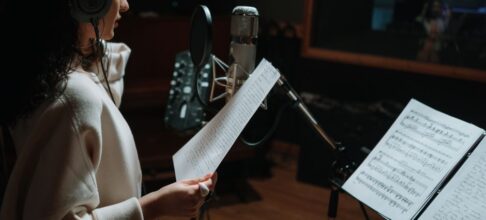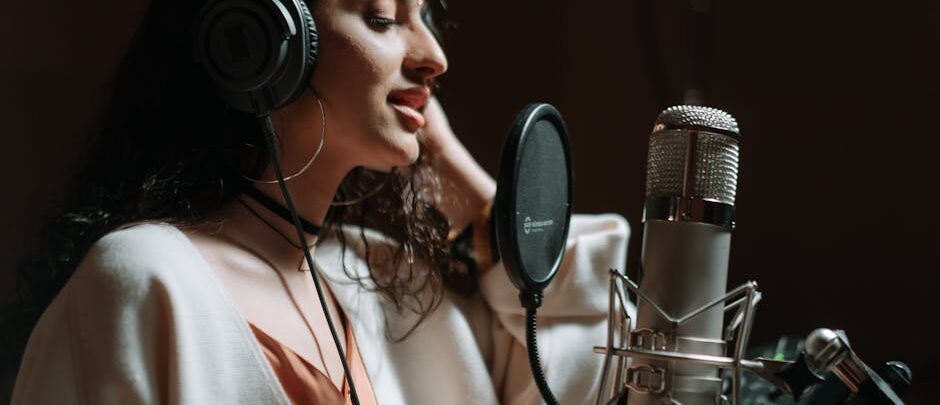
There’s a certain romance to the idea of voice acting—a velvet-voiced artist in a dark studio, breathing life into animated heroes or foreign-language documentaries. But when you peel back the curtain on Armenian voice over, especially in and around Yerevan, romance gives way to a complicated blend of tradition, improvisation, and the kind of technical patchwork that rarely makes it into glossy industry reports.
The Illusion of Scale
Let’s get one misconception out of the way: most voice over work in Armenia is not happening at state-of-the-art facilities with Dolby Atmos certification. In fact, even some high-profile dubbing projects for regional Netflix-style platforms are still recorded in spaces you’d charitably call “makeshift.” One producer from Studio Meline (a real Yerevan post-production shop) told me last year that their most reliable booth was originally built as a radio closet—barely wide enough to fit two people shoulder-to-shoulder.
A project for Hay TV involved localizing an eight-part nature series originally produced by a German broadcaster. The workflow? Translated scripts emailed overnight from Berlin; sessions scheduled on WhatsApp; talent brought in on retainer contracts that often pay per minute rather than per hour. Hay TV’s head of programming admitted they sometimes had to re-cast mid-series because a narrator would be called away for more lucrative commercial gigs elsewhere—a common pattern in smaller markets where voice actors juggle radio ads, animation, and live announcement work.
From Soviet Dubbing Halls to Modern Side Hustles
Armenia’s voice over culture has its roots deep in Soviet-era production practices. Back then, state studios like Armenfilm handled all official dubbing and narration—often using a single actor to “voice over” multiple roles with minimal dramatic effect. It was practical but flat: think monotone narration layered directly atop original dialogue.
Flash forward to —when Viasat began distributing Russian-dubbed content across Armenia—and suddenly there was new demand for native Armenian voice tracks. This led to what one might generously call "DIY localization": boutique studios cropping up around Yerevan, some equipped with little more than a borrowed Rode NT1 mic and Adobe Audition running on hand-me-down PCs. There's no uniform rate card here; some studios still barter equipment repairs or future favors instead of cash.
Modern Workflows, Uneven Tech
In European post houses—Warsaw or Tallinn come to mind—the process is regimented: casting calls circulated via specialized portals like Voicebooking.com; multi-track stems delivered on SFTP servers; strict audio QC before broadcast release. In contrast, Armenia’s workflows are loose out of necessity.
For example: when translating English-language commercials for Orange Armenia (before their exit), local agencies would receive rough VO guide tracks from Paris headquarters along with timecodes—then improvise timing adjustments during recording because there simply wasn’t access to Pro Tools automation rigs found elsewhere. The result? Delivery deadlines often adjusted on-the-fly depending on which freelance engineer happened to be available that day.
Localization Versus Dubbing: Not Always the Same Thing
It’s worth noting how many international brands skip full-scale dubbing for Armenian-language releases altogether. Instead they opt for UN-style “voiceover,” where the original track stays audible behind an Armenian narrator translating line by line—a technique familiar from news footage or low-budget documentaries.
A case-in-point: BBC News’ Armenian service relies almost exclusively on this method, cycling through just three approved narrators who record from home setups using Focusrite Scarlett interfaces and whatever acoustic treatment they can cobble together (egg cartons remain popular). This approach isn’t about artistic flair; it’s about speed and cost.
The AI Question No One Wants To Answer—Yet
There’s cautious curiosity around synthetic voices and AI-driven dubbing tools like Respeecher or ElevenLabs in Armenian circles—but adoption is crawling compared to bigger markets like Germany or France. As of early , only a handful of tech-forward outfits (such as Ginosi Apartels' media team) have experimented with AI-generated explainer tracks for web content—and even then only in test campaigns targeting diaspora audiences abroad.
One barrier is linguistic nuance: automated speech synthesis often stumbles over intricate inflections unique to Eastern Armenian dialects—a problem human narrators solve instinctively but machines routinely mangle. Until these tools improve (and become affordable at micro-market scales), live talent remains king—even if sometimes working out of bedrooms instead of booths.
What Gets Left Out?
For every corporate e-learning module voiced by an enthusiastic theater grad hoping for bigger things, there are half-finished projects abandoned due to budget cuts or shifting client priorities. Unlike major language markets—where performance metrics are tracked down to word count—most small studios here don’t keep formal logs beyond simple Google Sheets tallies.
That said, demand is quietly growing: since , at least five new micro-studios have opened around Yerevan alone (rough industry estimate), suggesting brands see value in speaking directly to local consumers—even if margins remain razor-thin and creative control sporadic at best.
Conclusion? That Might Be Too Simple…
To sum up Armenia's voice over scene neatly would be dishonest—it doesn’t fit any mold I’ve seen elsewhere across Europe or even Georgia next door. It’s scrappy yet surprisingly resilient; deeply informal but increasingly vital as streaming platforms eye untapped regional audiences.
If you want polish and predictability? Look west toward Budapest or Berlin. If you want resourcefulness bordering on guerilla artistry? Spend an afternoon watching engineers splice together children’s cartoon dubs inside an old apartment block off Mashtots Avenue.