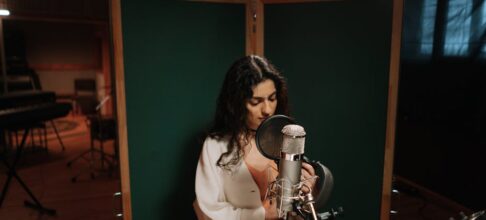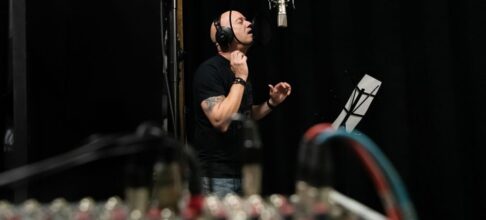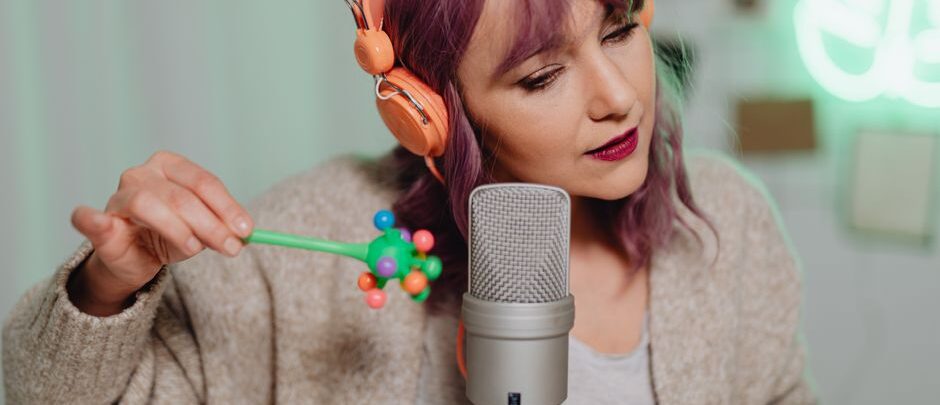
If you think all it takes to build an audience in Indonesia is a catchy YouTube intro or a TikTok filter, spend an afternoon shadowing a production team at Jakarta’s MSV Studio. In their cramped post-production suite—a cross between a soundproofed closet and a server room—four creators are huddled around waveform monitors, arguing about where to place the punchline in a script for a streaming ad campaign. Someone mutters about “intonasi Jawa” (Javanese intonation) being too obvious; another curses at the AI plugin for flattening the warmth out of an otherwise flawless take. Welcome to the real world of Indonesian voice over, where creators aren’t just dubbing—they’re translating emotion, culture, and, sometimes, controversy.
The Chameleon’s Dilemma: Local Versus Global Voices
There’s something oddly schizophrenic about the way major platforms handle localization. Netflix started commissioning original Bahasa Indonesia dubs back in 2017 after its user base exploded in Greater Jakarta and Surabaya. Initially, they tapped established houses like Imaji Studios and Mitra Sinema, who were known for soap opera overdubs on RCTI. But by 2022, more than half of Netflix’s Indonesian content was either sourced from smaller outfits or hybrid workflows—sometimes even mixing native speakers from Bandung with expats living in Bali. Why? Because authenticity tested better in focus groups conducted by Kantar Indonesia: Javanese-tinged accents scored 23% higher engagement among Gen Z audiences compared to formal Jakarta speech.
But this isn’t just about what sounds right—it’s about belonging. A streamer like Vidio.com will run two different versions of a dubbed Korean drama: one with urban Jakartan inflection for city dwellers, one with subtle Sundanese lilt for West Java markets. It sounds neurotic until you see the numbers: regionalized voice overs can increase watch time by up to 18 minutes per episode in targeted micro-regions.
From Game Studios to Viral Shorts: Workflows Nobody Talks About
In practice, Indonesian voice over work rarely follows that neat three-step model from Western localization guides—translate, record, edit. Instead? At Agate Studio (a Bandung-based game developer), live directing is standard during VO sessions for mobile RPGs targeting Southeast Asian markets. The director sits next to talent—in person or over Discord—feeding last-minute rewrite suggestions as lines are recorded into Reaper or Cubase. It’s not uncommon for scripts to be rewritten mid-session because “the joke doesn’t land” when uttered in Sundanese rather than formal Bahasa.
A senior engineer at Agate once explained that roughly 40% of their VO budgets go toward what he calls “cultural debugging”—fixing lines that sound either too stiff or inadvertently offensive depending on region-specific slang. For their hit title Valthirian Arc: Hero School Story 2 (released globally via Steam), they cycled through four different narrators before settling on one whose accent could pass as both Balinese and generic Indonesian—a rare feat achieved through painstaking coaching and digital pitch shifting.
AI Tools Versus Human Quirks: An Uneasy Marriage
No discussion feels complete these days without mentioning artificial intelligence—the darling and devil of production pipelines everywhere from Berlin to Yogyakarta. Since late 2021, at least seven Indonesian studios have adopted tools like Resemble AI and Replica Studios for draft reads or background characters; one survey among Jakarta agencies suggests nearly 30% use synthetic voices in some capacity during pilot phases.
Yet there are limits few anticipated when these tools first arrived on the scene. In an infamous campaign gone awry last year, an FMCG brand tried launching a nationwide Ramadan ad using only AI-generated narration trained on urban Jakarta speech samples. Viewer feedback was brutal—comments flooded Twitter lamenting the loss of “kehangatan suara ibu-ibu kampung” (the warmth of local auntie voices). Sales figures dipped by almost five percent compared to previous years’ campaigns voiced by veteran radio hosts from Semarang.
What most outsiders miss is how much time gets spent tweaking even basic lines (“Makan dulu yuk!”) so that they don’t feel like they’ve been spit out by an algorithmic sausage machine.
Historical Echoes: From Dubbing Telenovelas To Streaming Originals
Indonesian voice over has always been shaped by outside influence—and necessity-driven innovation. In the late ‘90s and early 2000s, networks like SCTV imported Latin American telenovelas but dubbed them into Bahasa using just three or four actors switching voices mid-episode due to budget constraints. By comparison, today’s creators have access to entire rosters of freelance voice artists via platforms like Sribulancer or Voiceoverku.com; still, many rely on personal networks stitched together via WhatsApp groups with cryptic names like "VO Lokal Indo.”
It wasn’t until Gojek started commissioning branded audio dramas around 2018 that agency-led casting became common practice—even then only after data showed listener drop-off rates halved when regionally appropriate accents were used.
The Freelancer Chessboard: Who Actually Gets Hired?
Here’s something rarely admitted outside closed Facebook groups: experience matters less than adaptability. Veteran voice artist Aryo Wicaksono told me he loses gigs not because his delivery lacks polish—but because clients want someone who can mimic trending TikTok personalities on demand (think rapid-fire slang mixed with English loanwords). Rates remain notoriously opaque; insiders say top-tier narration pays IDR 800k–1 million per finished minute for prime-time TV ads but drops below IDR 50k/minute for webseries pilots produced out of Surabaya garages.
And then there’s geography: In Makassar and Medan especially, brands increasingly favor homegrown talent for local radio spots rather than importing voices from Jakarta—a reversal driven partly by pride but also economics (lower fees mean more projects per month).
A Day Inside A Real Studio: Noisy Realities And Quiet Victories
Spend a morning at SuaraKita Production House near Pasar Minggu and you’ll witness two parallel realities colliding—a millennial producer juggling three WhatsApp chains (“Don’t forget our deadline!”), while her sound engineer frantically re-edits files after realizing the client wants all slang replaced with schoolbook diction because "anak SD juga nonton" (elementary kids are watching too).
The studio does everything from animated shorts for YouTube Kids Indonesia (with strict content filters) to tourism promos aimed at Singaporean tourists craving "authentic" archipelago charm—often meaning four rounds of revision just so no single word sounds too regional…or too bland.
In one memorable project last year—a government PSA urging COVID vaccination uptake—the initial read was rejected outright because it sounded "too Jakartan." Only after re-recording with two alternating talents from Kalimantan did engagement spike enough to keep their contract alive through Q4.
Why This All Feels So Tense—and Alive
Beneath all this churn lies something you won’t find spelled out in LinkedIn posts about “creative synergy.” There is tension here—between efficiency and authenticity; between tech optimism (“AI will save us hours!”) and lived reality (“But my grandma would never say it like that”). Even as global platforms pour money into flashy dubbing suites—from Netflix HQ setups near Mega Kuningan to tiny satellite studios cropping up in Palembang—the heart of Indonesian voice over remains stubbornly close-knit…and perpetually unfinished.
'tidak apa-apa', as one old-school director likes to joke when deadlines loom but files aren't perfect yet—it means 'it doesn't matter.' Except here? It always does.