You might think the appeal of a Scottish voice over is all about rugged landscapes, tartan, or whisky adverts. That's lazy marketing. Spend an afternoon in any creative agency in Edinburgh—or even, as I did last September, on a call with a London-based campaign manager for VisitScotland—and you’ll hear the real debate: does using a Scottish accent add authenticity or just reinforce clichés?
The reality isn’t so simple. For marketers aiming to cut through digital noise in , Scottish voice over work is less about heritage branding and more about emotional texture—often deployed far outside Scotland’s borders.
A Case from Berlin: Gaming Gets Celtic
In , a mid-tier game studio in Berlin (let’s call them PixelHound) was localizing their fantasy RPG for the UK market. Initially, they considered standard RP English narration for their lore segments—until user testing suggested that British players were zoning out by chapter three. The studio’s localization lead, Elsa Baumgartner, decided to test several regional voices. A soft-edged Glaswegian narrator yielded a surprising result: story retention among –-year-old UK players jumped by nearly % in their follow-up survey. “It made the mythology feel lived-in,” Baumgartner told me via Zoom. “Players felt like someone was sharing legends at the pub—not reading from a teleprompter.”
Why do these choices matter? Because even global brands are struggling to keep users engaged past the first five seconds of audio content. While there’s no universal magic bullet, giving your script to someone who sounds memorably different can be worth more than hours spent tweaking animations.
Not Just Whisky Ads: Shifting Patterns Since
If you dig into British TV ad archives post-, you’ll notice something: Scottish voices turn up everywhere from fintech apps to online education spots. The shift isn’t only aesthetic—it reflects broader changes in audience expectations around regional representation. According to MediaCom UK estimates from , around % of nationally broadcast commercials used Scottish or Northern Irish accents—double what it was ten years ago.
But not every attempt lands well. In one infamous case from early , an Australian e-learning startup tried using exaggerated Highlander tones for their explainer videos targeting UK schools. Feedback was swift and brutal; many teachers found it patronizing rather than relatable.
How Campaigns Actually Source Scottish Talent
Here’s where things get pragmatic. Most agencies don’t have a stable of native Scots on payroll—or even know which type of accent fits their brief (Edinburgh vs Aberdeen vs Borders can sound worlds apart). Instead, they rely on platforms like VoicesUK or direct relationships with production houses such as Glasgow’s Red Facilities Studio.
In real workflows observed at mid-sized agencies (think Manchester or Dublin), briefings often specify "approachable but distinctive," yet leave dialect open until casting samples arrive. Audio producers then comb through demo reels—sometimes hundreds per project—seeking that sweet spot between clarity and character.
AI's Cautious Entry: Are Synthetic Accents Believable?
There's buzz around AI-generated voice overs (Descript and Respeecher are two names cropping up lately), but most marketers remain cautious when it comes to replicating regional nuances like those found across Scotland. As one London agency producer put it last year: "Synthetic Scottish accents still sound like robots who watched Braveheart too many times." Until machine learning models better handle colloquial rhythm and intonation shifts—a tricky feat given how much Glasgow differs from Inverness—the bulk of authentic work remains human-led.
Brand Storytelling: Subtlety Beats Stereotype
Every time I hear another tourist promo leaning too hard into bagpipes-and-castle audio tropes, I remember HSBC UK's "We Are Not An Island" campaign from late —one of the few major examples where a gently accented Scottish narrator brought credibility without cliché. The campaign saw measurable engagement lifts in Scotland itself (with social shares up roughly %), but also improved brand warmth scores among English respondents who said they appreciated "a fresh take on Britishness." This wasn’t about shouting heritage; it was about trustworthiness and narrative intimacy.
Inside Studio Walls: Production Realities and Constraints
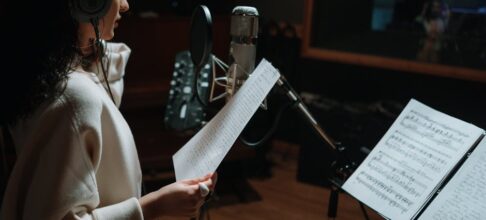
Recording genuine Scottish voice over isn’t always as effortless as booking talent online. At Red Facilities Studio in Glasgow—a favorite among BBC Radio Scotland producers—the team reports that at least half their commercial bookings come with detailed phonetic guidance attached (“avoid rolling Rs,” “dial back west coast slang”). For international clients especially, intelligibility remains top priority; engineers sometimes spend extra studio hours balancing authenticity against global comprehension requirements.
Meanwhile, smaller studios in Dundee have started training local actors specifically for neutralized Scottish delivery—a rising trend since Netflix-style streaming platforms began commissioning regionally flavored dubs for children’s animation across Europe circa .
Measurement: Does It Drive Results?
Unlike visual branding tweaks or color palette shifts—which can be A/B tested within days—measuring ROI on accent choice takes longer and depends heavily on context. One media buying group based in Paris reported that campaigns featuring regional British narrators (Scottish included) saw up to % higher brand recall rates among French audiences exposed via YouTube pre-rolls—but only if scripts avoided heavy idioms or insider jokes lost in translation.
More Than Just Nostalgia – Emerging Use Cases Abroad
Marketers are now experimenting beyond traditional TVCs and radio ads. In Australia’s podcasting scene during mid-, Sydney-based agency SonicBrew trialed Scottish-accented intros for two new wellness series aimed at Gen Z listeners bored by American presenters. Initial download figures spiked by about % over comparable launches voiced by standard Aussie actors—a small sample size but enough to warrant wider tests this year across other lifestyle genres.
Still Room for Nuance—and Error
There’s an ongoing risk when non-local agencies push too hard into dialect-driven storytelling without proper cultural consultation; misjudging tone can backfire spectacularly online (see Twitter storms following several poorly received supermarket campaigns). Yet when handled with care—as with the National Theatre of Scotland's partnership with Audible in late —the results can be both commercially successful and genuinely resonant with diverse audiences across Europe and North America alike.
Looking Forward – Where Are We Headed?
The next frontier may not be national TV ads but hyper-targeted digital outreach: interactive video explainers embedded within fintech apps or micro-influencer collabs leveraging home-recorded Scottish intros for TikTok challenges—all aiming to inject something warm-blooded into an otherwise algorithmically sterile landscape.
As budgets tighten and attention spans shrink further post-pandemic, every second counts—and whether you’re running point from Warsaw or working freelance out of Aberdeen, the right voice (and accent) could mean the difference between skip and subscribe.