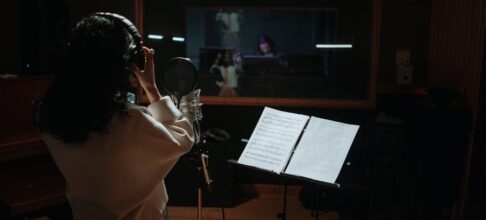
The phone never rings anymore, but the pings are relentless. In a basement studio somewhere off Tottenham Court Road, a young voice actor—let’s call her Priya—sits surrounded by foam tiles and empty coffee cups. She’s not waiting for an agent’s call. She’s uploading another audition to Voices.com, tracking which AI tools are biting into her bookings, and wondering if her "friendly Londoner" accent still means anything in this new landscape.
Accents Out of Fashion? The Shifting Sands of Demand
It wasn’t always like this. For decades, Received Pronunciation (RP)—the so-called "Queen’s English"—was stamped across most documentaries, commercials, even children’s animation. But since around 2015, production briefs from agencies like Hogarth Worldwide or MPC have increasingly specified regional accents: Mancunian warmth for bank ads; West Country lilt for organic cider spots; Scottish grit for energy campaigns.
Some blame Netflix and its steady appetite for local authenticity. According to casting directors at Soho-based studios such as Adrenaline Studios, requests for generic RP dropped by nearly 30% in the late 2010s as American streamers looked to tap into UK diversity. The old BBC hierarchy of voices has fractured.
Real Workflows: How Booking Actually Happens Now
Priya’s reality is gig-driven and platform-mediated. A typical workflow: she records five custom auditions nightly via Bodalgo or Mandy Voices—sometimes using AI tools like Descript to check pacing—or submits self-directed reads based on minimal direction (“Cheeky but trustworthy; think Fleabag meets Peaky Blinders”).
In contrast, veteran performers used to walk into London booths with scripts printed and engineers present. Now most junior talent juggle home setups with patchy WiFi and rely on remote direction over Zoom or Source-Connect—a practice that became near-universal during the 2020 lockdowns.
A telling case: A mid-sized video game studio in Guildford recently cast all secondary roles for a narrative-driven sci-fi title entirely through online platforms. Not a single actor entered their office; everything from callbacks to retakes occurred virtually.
The Tech Disruption Nobody Agreed To
Ask ten working actors about AI-generated voices and you’ll get either nervous laughter or stony silence. Since 2021, startups like ElevenLabs have offered eerily convincing synthetic British accents at a fraction of human rates. By mid-2023, several e-learning companies in Germany and Estonia were already producing entire training modules using cloned voices modeled after real UK narrators.
One localization manager in Warsaw told me their team uses synthetic British narration for draft versions of international ad campaigns before hiring live talent to “add heart” once clients approve scripts—a move that has shaved project costs by up to 40% but leaves many freelancers anxious about job stability.
Money Talks: Rates Under Pressure & Survival Tactics
Historically, union-backed rates from Equity kept voice work lucrative—£250+ per hour wasn’t unusual even in the early 2000s. But non-union gigs sourced via global marketplaces now average £60–80 per session for emerging artists according to several working voices surveyed via social media groups like Voiceover Network UK.
To stay afloat, many British actors diversify: audiobook recording one week (often at marathon paces set by US publishers like Audible), then gaming dialogue or YouTube channel intros the next. Some even license their voices outright—as happened with an ex-BBC narrator whose digital twin now powers virtual tour guides across Singaporean museums.
Case Study: Studio Workflow in Manchester's Advertising Scene
Consider Red Door Media—a Manchester-based agency specializing in regional ad campaigns. Their recent rebranding project for an insurance client required 12 voice tracks representing different age groups and backgrounds across Greater Manchester and Merseyside.
Instead of casting via traditional agencies alone, they ran parallel auditions on Voquent (a UK-centric platform) while also testing three synthetic options generated by Murf.ai tuned with regional samples collected locally. Ultimately six roles went to human talent recorded remotely from Liverpool flats—the other six were filled with AI-generated reads blended seamlessly thanks to careful mixing by their audio post team.