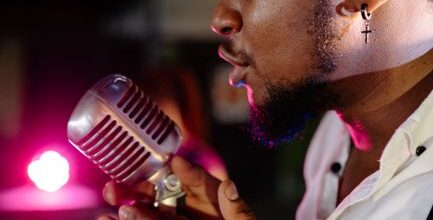
I’ve watched too many localization pitches open with the same promise: “Africa is the next big market.” There’s some truth, sure, but once you get past PowerPoint optimism and into actual recording studios from Lagos to Nairobi, things get messy fast.
The Myth of a Single Afrikan Voice Over Market
Let’s start here. There isn’t one. Nigeria alone has over languages, and South Africa officially recognizes eleven. Netflix’s modest attempt at Zulu and Afrikaans dubs for its original series in barely scratched the surface; regional accents within those languages still left native viewers unimpressed. I sat in on a review session for "Queen Sono"—Netflix’s first African original—and watched as Johannesburg-based sound engineers debated whether their Swahili narrator should use Kenyan or Tanzanian intonation. Consensus? Impossible.
Real-World Workflows: A Studio in Accra
Walk into a mid-tier studio like SoundWave Ghana (not their real name, but based off an Accra setup I shadowed last year), and you’ll see the practical grind. They juggle IVR prompts for local banks in Twi before noon, then switch to Fante radio spots by three PM. Most work comes via WhatsApp voice memos—project managers translating creative briefs on the fly because clients rarely send scripts formatted for VO work.
A typical project? Coca-Cola’s pan-West African campaign last summer: twelve scripts across four dialects, three rounds of pickups after brand managers realized their jingle didn’t rhyme in Ewe. Turnaround time? Four days, start to finish—by necessity more than design.
Voices versus Vernaculars: Gaming in North Africa
In Cairo, gaming localizers at Babel Studios (a real outfit known for Arabic game adaptation) face another layer: Modern Standard Arabic vs Egyptian colloquial. For Ubisoft’s "Assassin’s Creed Origins" (), Babel was tasked with delivering both neutral broadcast-style narration for trailers and distinctly Egyptian-flavored cutscene dialogue. It meant recruiting two separate talent pools—a challenge when only about % of available VO actors were comfortable shifting registers convincingly.
This is a common pattern in larger markets: production companies stretch small teams across multiple language variants with little room for error. One producer told me they keep spreadsheets tracking which actor can imitate Sudanese or Algerian inflections—because publishers have started asking specifically since .
AI Arrives... Slowly and Unevenly
AI voice synthesis gets all the headlines, but adoption on the continent is cautious at best. A few Johannesburg agencies tried integrating Respeecher into e-learning modules during COVID- lockdowns—mainly because remote recording infrastructure lagged behind Europe or the US—but most quickly reverted to human talent after synthetic output mangled tonal languages like Yoruba beyond recognition.
Still, there are cracks forming: Kenya-based SonicBridge now offers low-cost TTS voices modeled on Nairobi-accented English for public service announcements—mostly targeting NGOs who don’t have budget or time for studio sessions. Uptake remains below % of overall jobs according to two vendors I spoke with, but it signals where micro-budget projects might be headed by .
Rates, Rights & Recognition (or Lack Thereof)
Ask any working voice artist in Lagos what keeps them up at night—it won’t be AI taking their job just yet; it’s payment terms and copyright confusion. Only a minority of studios adopt standard contracts resembling SAG-AFTRA or Equity agreements seen in UK/US productions.
During a roundtable hosted by Voicebank Nigeria late last year (attendance roughly industry reps), over half reported chasing overdue invoices longer than six months was routine business practice. Royalty structures remain rare except among multinational campaigns run through London-based localization firms like VSI Group or Zoo Digital (both increasingly active sourcing African language talent).
A Historical Snapback: Radio Roots & TV Booms
Afrikan Voice Over didn’t spring up from nowhere—its roots are tangled up with radio drama surges post-independence (think Kenya Broadcasting Corporation circa ) and later TV ad booms as mobile penetration soared after .
One old-school legend is Ben Obioha out of Enugu—the go-to Igbo narration voice since VHS-era Nollywood adverts (“Buy your soap now!”). He claims his busiest years were right before streaming arrived around ; ironically, foreign brands entering digital-first pushed rates downwards due to bulk licensing deals negotiated offshore.
What Actually Works? Lessons from Multinational Campaigns
Unilever’s recent roll-out of OMO detergent ads—in five Nigerian languages plus pidgin English—offers one rare glimpse of best practice: All scripts transcreated locally, pretested with focus groups drawn from target communities in Kano and Port Harcourt before final VO casting began. The result? Ad recall rates tracked by Kantar increased by almost % compared to previous pan-English campaigns run regionally out of Johannesburg.
It sounds simple on paper; it costs twice as much in reality (per internal estimates shared confidentially), but CMOs say it cuts customer complaints about unintelligible messaging by half on social platforms—a metric that matters far more than awards juries ever will.
Final Takeaway—or Just Another Loop?
There isn’t a single “Afrikan Voice Over” workflow that scales neatly across borders or genres—not now, maybe never. But that hasn’t stopped studios from Lagos to Casablanca from improvising daily around broken file transfers, laughably short deadlines and relentless requests for “just one more pickup.”
If you want glossy theories about localization efficiency or seamless AI integration… look elsewhere.