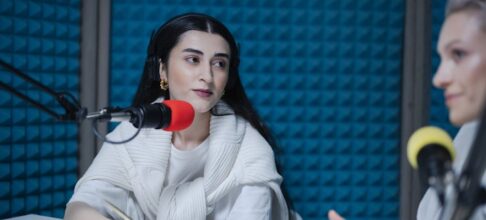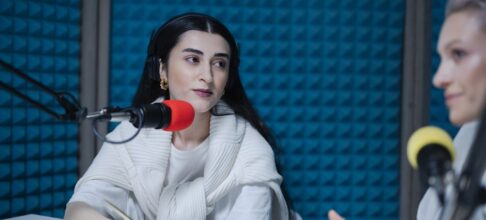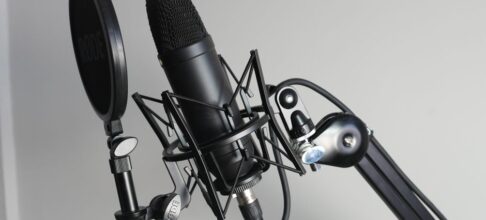
It’s late in Paris. The last metro rattles outside a glass-walled studio in the 10th arrondissement, where a tired audio engineer balances two croissants on his mixing desk and gestures for silence. Next door, a voice actor is midway through a -minute script for an educational app—her third job that day, and she’s still got to hit that elusive warm-yet-authoritative tone French clients crave. There is glamour on the surface of French Voice Over work, but behind it? It’s more like chess played at speed.
No One Talks About How Many Takes It Really Takes
In every localization pipeline, there’s an unspoken tension between creative precision and brutal deadlines. Take Ubisoft’s Paris headquarters (yes, that Ubisoft—the one with Assassins and Rabbids). Their in-house voice team famously records up to alternate takes per line for major game launches, especially when dialog must sync perfectly with English-speaking characters’ mouth movements. That means hours in the booth reworking tiny emotional inflections: not too theatrical, not too flat. Producers have been known to call back actors three times after what sounded like a perfect take—just because the narrative lead wants “a little more bite.”
And yet, if you peek inside smaller studios—say, Lyon-based Soundlines—they’re often forced to wrap entire corporate e-learning modules in under two days using just two native speakers juggling five roles each. In practice, this means running lines straight through without breaks unless someone coughs or stumbles over "développement durable." There are no second chances when your client’s budget is € and their timeline is yesterday.
The Netflix Effect: Streaming Rewrites the Rulebook
When Netflix opened its European dubbing hub in Paris in , it upended the old guard overnight. Suddenly, creators were fielding requests from streaming giants who expected Hollywood-level voice direction—but with local pay rates and turnaround expectations reminiscent of Saturday-morning cartoons from the '90s.
A post- workflow at one Parisian dubbing agency typically involves:
If you ask session directors about their biggest headaches these days? AI-generated temp tracks. Some platforms now demand quick proofs-of-concept using synthetic French voices long before real talent ever gets behind a microphone—a phenomenon particularly visible among ad agencies producing YouTube pre-rolls for brands like Decathlon or Peugeot.
A Real Campaign: Gaming Localization Across Borders
Let’s rewind to : Focus Entertainment (formerly Focus Home Interactive) rolls out its new action RPG simultaneously across France, Germany, and Canada. The brief for the French team reads simply: “Match German launch energy.”
But matching isn’t translating; it means capturing cultural references while dodging what one veteran project manager called “the cheese trap”—accidental slips into parody-French or overly literal renderings that make players cringe.
In Bordeaux, where much of Focus’s external recording happens, producers report spending nearly twice as long per minute of cutscene compared to English sessions—mainly due to tight lip-sync requirements and pressure from international QA teams monitoring delivery quality frame by frame.
The end result? For one flagship title alone: over hours recorded across three studios within six weeks—% faster than similar projects five years ago thanks mostly to better remote collaboration tools (think Source-Connect) and tighter script pipelines established during pandemic lockdowns.
Cheaper Voices? Not Always a Shortcut
There’s another side few discuss openly: competition from overseas freelancers willing to record "French" on platforms like Fiverr or Upwork—for $ per finished hour instead of industry-standard €-€ rates charged by seasoned talents affiliated with Adami or SNAC (France's performing artist unions). But as several campaign managers at Marseille-based agency Voxymedia learned the hard way in late , cheap rarely means good enough for broadcast TV compliance or gaming QA checks.
Agency veterans recount how rushed jobs using non-native accents triggered user complaints after a major children’s series aired on TF1 digital channels—with viewers flagging robotic delivery and mispronunciations (“bouteille” as “bootay”). Damage control involved re-recording half the show at triple cost—an object lesson in why major brands still prefer vetted studios even as automation beckons.
AI Voices Creep In… But Slowly Where It Counts Most
Despite all chatter about synthetic voices revolutionizing localization since roughly (thanks to startups like Respeecher and ElevenLabs), adoption remains piecemeal among big-budget French productions outside experimental pilots or internal training videos. According to informal surveys among Paris post-production houses serving Canal+ and Arte, less than % of long-form entertainment output relies primarily on AI narration today—and nearly all require human QC passes before hitting airwaves.
Still—the tech finds its niche elsewhere: a Lille-based mobile game developer describes using cloned synthetic voices during prototyping phases so designers can iterate rapidly before hiring pro actors for final builds. This hybrid approach saves weeks early on but underscores why nuanced storytelling (and union rules) will keep real vocal cords front-and-center for high-profile launches awhile longer.
Behind Closed Doors: What Creators Actually Want From Their French Voice Over Teams
No creator I’ve met dreams of endless retakes or patching poorly synced lips at midnight. What they want is elusive: authentic connection that doesn’t break budgets or schedules—a paradox only heightened by audience expectations set by slick global franchises and TikTok-savvy youth demanding both polish and rawness all at once.
For many international campaign leads based out of London or Berlin commissioning French dubs remotely, success often comes down not just to price but trust—a word echoed repeatedly by Studio Des Champs founder Claire Fournier when describing her team’s decade-long collaborations with both boutique indies and monolithic media buyers alike.
“We spend half our time managing nerves,” Fournier admits between takes during an animated feature session last autumn—"not just ours but everyone up and down the chain... Sometimes it feels like therapy more than production.”
That—and occasionally bribing tired actors with artisanal éclairs when deadlines loom impossible close.