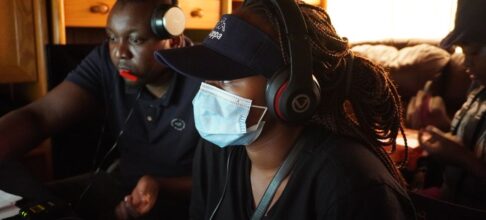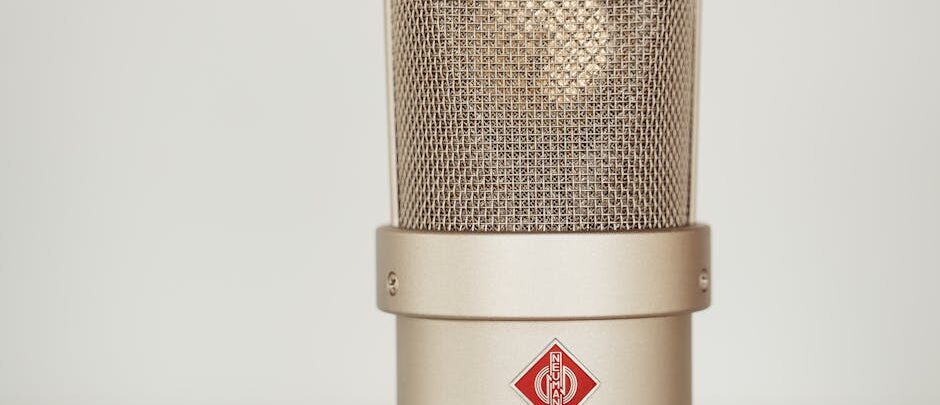
It begins, as these stories often do, in a dimly lit room with a heavy wooden door that muffles out Berlin’s traffic. The voice actor—a seasoned talent who once dubbed Bruce Willis for Die Hard’s German release—adjusts his headphones and waits for the engineer at Studio Funk to give him the go-ahead. Outside, producers huddle over scripts and wave off incoming WhatsApp messages from their Munich clients. It’s , but much about this world still feels grounded in craft.
Voice over in Germany is not just an industry. It’s a fiercely protected tradition—one that sometimes contradicts itself by embracing new tech even as it clings to analog sensibilities.
A Familiar Sound Across Borders
In almost every German living room, you can hear the echoes of Hollywood, but with a distinct accent. Unlike most European countries where subtitling is common, Germany has spent decades perfecting full-cast dubbing for foreign films and TV shows. This approach isn’t born of preference alone; until the late 1960s, strict broadcasting laws and regional dialect sensitivities drove studios like Bavaria Film (Munich) to build entire departments around voice casting.
By , Netflix reported that over % of its German catalogue had dedicated local audio tracks—not just subtitles—pushing streaming competitors such as Disney+ to rapidly scale up their own VO pipelines in Berlin and Cologne. This race for quality spawned a new generation of freelancers who now commute between home setups and professional booths.
Workflows That Never Quite Stand Still
Walk into VSI Berlin (a well-known localization house), and you’ll see teams juggling everything from Japanese anime adaptations to high-budget video games developed by Ubisoft Düsseldorf. Dubbing directors listen obsessively for synchronicity between lip movements and translated lines—a practice known locally as “Lippensynchron.”
But workflows have evolved. In , several studios adopted AI tools like Deepdub’s neural voices to create scratch tracks for audition purposes or tight turnarounds—a controversial move among traditionalists who fear it could erode opportunities for human actors. Yet these same studios report turnaround times shrinking by up to % when mixing synthetic guides with final human performances.
The Reality of Scale: Not Just Blockbusters Anymore
Most people think of German voice work only when they watch Marvel movies or binge on American sitcoms after work. But in practice, the bulk of demand comes from less glamorous sources: e-learning modules for Frankfurt banks, product explainers for Stuttgart automakers, or onboarding videos commissioned by SAP.
Take Lingua-World in Hamburg—a mid-sized agency specializing in corporate training localization across Europe. In typical quarterly cycles, their roster handles upwards of short-form projects for brands needing everything from legal compliance narration to upbeat sales pitches aimed at Swiss-German branches.
Each project starts with casting: clients listen through dozens of sample reels posted on internal platforms like Bodalgo Pro before settling on a tone deemed "vertrauenswürdig" (trustworthy). Recording happens both remotely (actors logging in via Source-Connect) and onsite—with sound engineers ensuring technical parity across every asset so that nothing feels out-of-place when played back on an executive’s laptop at a Zurich boardroom.
Historical Contradictions—and Why They Persist
There’s an irony here: while Germany pioneered some early automated speech synthesis research back in the '80s at Fraunhofer Institute (the birthplace of MP3), today’s leading voice agencies still champion live direction sessions—sometimes involving three or four creative leads listening simultaneously via Zoom.
The country’s postwar isolation meant audiences came to expect polished VO as part-and-parcel of any international content experience; old habits die hard. Even with modern workflow enhancements—cloud-based script annotation tools or AI-assisted timing corrections—the expectation remains near-perfect delivery from start to finish.
Berlin vs. Los Angeles: A Tale Told in Workflow Details
If you peek inside LA-based studios working on global releases—say, Riot Games localizing Valorant—they tend toward flexible casting calls and quick-turnaround ADR sessions using cloud collaboration platforms like Voquent. In contrast, German workflows remain more hierarchical: casting agents wield significant influence over selections; there are union-mandated breaks; dialogue directors often spend hours reworking single scenes until emotional resonance matches original intent.
This obsession shows up on screen—or rather, through speakers—in ways casual viewers rarely notice but insiders obsess over: the subtle choice between two synonyms during a climactic monologue can trigger heated debate among creatives at Studio Hamburg Synchron GmbH (a company tracing its roots back to black-and-white TV).
New Money Meets Old Guard: The Streaming Boom Effect
Since COVID- lockdowns accelerated digital content consumption across Europe (streaming grew by approximately % year-over-year according to Statista), demand for professional-grade German audio exploded beyond entertainment into education and advertising sectors. Agencies scrambled to onboard younger talents familiar with remote workflows—even as legacy actors held onto prime roles thanks to decades-long relationships with dubbing directors.
It isn’t always harmonious. There are persistent tensions between those pushing AI-driven automation—for scale—and staunch defenders of “Handarbeit” (“handcraft”), especially among smaller boutique companies like Sprecherdatei.de who tout artisanal credentials in every pitch deck sent out across Vienna or Zurich markets.
Why It Matters—And Why It Won’t Disappear Soon
The story behind German voice over is really one about cultural mediation under pressure—from technology shifts, globalized taste patterns, even regulatory change (the EU Audiovisual Media Services Directive now requires certain accessibility standards). Yet if you sit in on enough real sessions—or listen closely enough during your next dubbed episode—it becomes clear why this tradition persists beyond pure economics: there is artistry stitched into every carefully intoned sentence.
And despite all predictions about automation taking over—or perhaps because those very predictions loom large—the demand for authentically voiced content tailored by Germans for Germans continues not just undiminished but transformed.