The Origins of American Voice Over
Early Radio and the Birth of Voice Acting
The roots of voice over in America date back to the early 20th century with the rise of radio broadcasting. During the 1920s and 1930s, radio dramas and serials became wildly popular, creating a new form of entertainment that relied solely on the voices of performers. Iconic shows like “The Shadow” and “The Lone Ranger” captured listeners’ imaginations and showed how voice actors could generate suspense, excitement, and emotion without any visuals.
These pioneering acts laid the foundation for what was to become a sprawling industry. Voice actors had to be versatile, skilled in creating multiple distinct characters, and adept at conveying storylines purely through sound. This period marked the beginning of voice over as a respected profession in American entertainment.
Voice Over in Hollywood’s Golden Era
As the film industry flourished in the mid-1900s, voice over work began infiltrating animation and commercials. Walt Disney’s groundbreaking animated features like *Snow White and the Seven Dwarfs* in revealed the power of voice acting to bring animated characters to life. Actors like Mel Blanc — known as the "Man of a Thousand Voices" — became legends by giving voices to beloved Looney Tunes characters such as Bugs Bunny and Daffy Duck.
At the same time, the advertising boom created a demand for distinctive voices to sell products on radio and soon thereafter on television. This was the era when studios and agencies realized that specific vocal qualities could significantly influence consumer behavior, making voice over talent a critical part of branding and marketing.
The Evolution of the American Voice Over Industry
The Rise of Television and Commercial Voice Over
With the explosive growth of television during the 1950s and ‘60s, voice over work transitioned into a new medium. Commercials, introductory show announcements, and network promos required voice artists who could quickly capture attention and communicate key messages effectively. This shift brought more visibility and higher income for leading voice actors.
Many artists became recognized not just for their voices, but for their ability to define brand identities. Iconic voices from this era include Don LaFontaine, renowned for his deep, authoritative movie trailer narrations, which set a template for modern-day trailers still used today.
Technological Advances and Home Studios
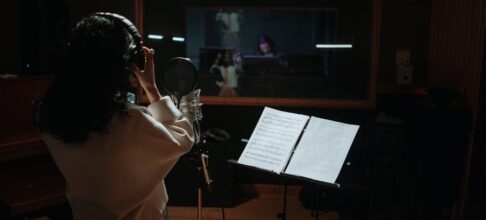
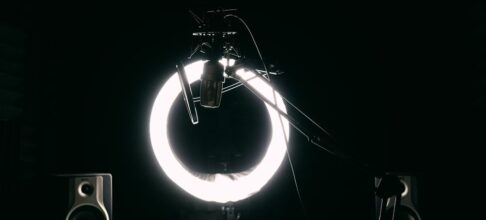
The digital revolution in the late 20th and early 21st centuries transformed the American voice over landscape. High-quality microphones, recording equipment, and editing software became affordable and accessible, allowing voice actors to set up home studios. This democratized the industry by lowering entry barriers and enabling freelance artists to compete with studio-based professionals.
Online platforms and marketplaces emerged, connecting clients with talent nationwide. This vast change facilitated the diversification of voice over roles – from e-learning narrations and video game characters to audiobook narration and interactive virtual assistants.
The Current State and Future of American Voice Over
Diversity and Representation
Today, the American voice over industry is actively addressing historic inequalities by encouraging greater diversity and representation. Casting directors increasingly seek voices that authentically reflect the broad spectrum of American accents, ethnicities, and identities. This shift enriches storytelling and empowers underrepresented communities to have their voices heard—literally.
Artificial Intelligence and Voice Over
One of the most significant disruptions facing the industry is the emergence of artificial intelligence (AI) synthesized voices. While some fear AI voices could replace human talent, the majority of experts view them as complementary tools. AI can efficiently handle routine or high-volume tasks, enabling voice actors to focus on nuanced, creative, and emotive roles that require human skill and artistry.
Expanding Markets and Innovation
The rise of podcasting, audiobooks, virtual reality (VR), and augmented reality (AR) has opened up unprecedented opportunities for American voice over artists. Brands and creators are investing heavily in immersive audio experiences, driving demand for versatile voices that can adapt to new and innovative formats.
Moreover, remote work and virtual auditions continue to grow, making it easier for talent from anywhere in the country to break into the market without relocating to traditional hubs like Los Angeles or New York.
Conclusion: Celebrating the Voices Behind the Scenes
The untold story of American voice over is one of creativity, adaptability, and profound influence on how stories and messages are communicated nationwide. From humble beginnings in radio drama to the digital innovations of today, voice actors have helped shape American culture in subtle but powerful ways.
As technology and society evolve, the voice over industry remains a vital and vibrant field where talent meets opportunity. The next time you hear a captivating commercial, an enchanting animated character, or a gripping audiobook, remember the legacy and ongoing journey of the American voice over artists who bring those voices to life.
---
Keywords: American voice over, voice acting history, voice over industry USA, voice actors, voice over technology, voice over diversity, voice over trends, American voice talents, voice acting careers