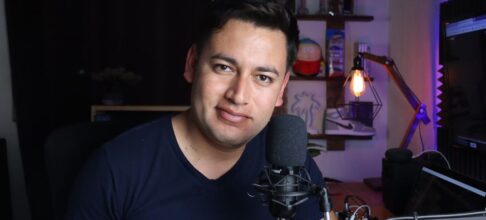
Let’s start with the uncomfortable bit: there’s an entire world inside a Bulgarian voice over session that nobody outside the booth ever gets to see—and most localization managers abroad underestimate how much it matters. In 2017, I sat in on a game localization project at Plovdiv-based studio Graffiti Creative House, watching their team try to square international expectations with local realities. The client—a European gaming publisher—wanted “neutral” Bulgarian intonation and fast delivery. The director winced; there is no such thing as neutral in Bulgarian, not really. Every region carries its accent like a tattoo.
The Unspoken First Hurdle: Casting for Authenticity, Not Just Fluency
Most outsiders assume that if you can find a native Bulgarian speaker, your casting is done. But real-world workflows routinely trip here. In Sofia, Audio Arte (one of the country’s biggest post-production studios) spends as much time searching for actors who can sound convincingly Veliko Tarnovo or urban Sofia as they do checking credits on previous dubbing work. Why? Because for commercials airing on NOVA TV or bTV—the two dominant networks—the difference between central and regional pronunciation can make or break audience trust.
In practical terms, this means casting calls often go out to more than 40 voice talents just to shortlist five who fit both the script and brand tone. I watched one audition where half the candidates were rejected for sounding “too 90s,” a reference to a melodramatic dubbing trend from when RTL Klub imported Mexican telenovelas into Bulgaria in the late ‘90s.
Why Timing Never Lines Up: Recording Realities in Bulgaria
Here’s another step nobody warns you about: voice recording schedules are rarely smooth in Bulgaria—even though studios have upgraded massively since the tape-and-reel era of the early 2000s. Take Doli Media Studio (the team behind many Netflix-style platform dubs)—they juggle up to six productions at once during peak season (September-November), leading to overnight sessions that run until sunrise.
Everyone expects quick turnarounds—especially foreign clients used to US workflows—but in Sofia it’s common for projects to stall because actors are double-booked across TV series, ads, and sometimes even live radio dramas (yes, those still exist). A producer once told me that "Wednesday is always lost," meaning an entire weekday gets wiped out due to overlapping commitments from their core talent pool.
Script Adaptation: Where Literal Translation Kills Performance
Netflix’s push into Eastern Europe around 2020 brought more global eyes—and budgets—to Bulgarian voice over work, but also exposed linguistic cracks. Scripts translated too literally from English often land flat or sound awkwardly formal when spoken aloud. In one case for an animated film localized by VSI Sofia, a direct translation rendered a villain’s line into stilted legalese; only after three takes did they loosen up enough so it sounded menacing rather than bureaucratic.
What happens next? The director huddles with the translator and actor mid-session—not prior—to rewrite dialogue in real time. This improvisational adaptation isn’t unique to Bulgaria but seems magnified by local idioms that simply won’t bend to Western phrasing without breaking character authenticity.
Technical Constraints Nobody Admits To
It’s easy to assume everything runs on Pro Tools and high-end Neumann mics now. But visit any mid-sized studio outside Sofia and you’ll likely spot patched-together setups: borrowed Sennheisers from radio stations mixed with older Focusrite interfaces. One engineer in Varna admitted he sometimes edits takes using freeware Audacity due to budget gaps—despite officially listing industry-standard DAWs on their website pitch decks.
These constraints become especially visible when agencies from London or Berlin send over files expecting strict sync-to-picture standards common in German productions (think ZDF or ARD). Timings miss by milliseconds; background noise sometimes slips through if isolation booths aren’t fully sealed—which remains surprisingly common beyond capital city facilities.
Client Communication Breakdowns: It Gets Personal Fast
A repeat pattern in cross-border projects: misalignment between foreign project managers (often working off spreadsheets) and local engineers who operate more ad hoc. A Paris-based agency I worked with during 2022 regularly emailed color-coded shotlists; by contrast, the studio manager in Sofia insisted on printed scripts marked up by hand mid-session. When deadlines slip—which they nearly always do—it turns personal quickly.
The head of production at Graffiti Creative House keeps an archive of apologetic WhatsApp exchanges with UK clients frustrated by missed dropboxes (“Dropbox fell asleep again last night,” was one memorable excuse after power outages hit half of Plovdiv). These aren’t edge cases—they’re part of daily workflow rhythm across many Balkan production houses still wrestling uneven infrastructure upgrades post-2015 EU funding rounds.
Who Owns Which Rights? Still Murky After All These Years
The licensing headache is under-discussed yet omnipresent. Contracts rarely spell out whether actors’ voices can be reused across streaming platforms, mobile apps, and TV reruns—leading some smaller agencies in Ruse or Stara Zagora to pay out per-use fees years later after discovering old recordings resurfaced on Disney+ via third-party aggregators around 2021–22.
One infamous incident involved an ad campaign originally recorded for Lidl Bulgaria which ended up re-edited (without permission) into a pan-Balkan spot covering four countries—a legal gray zone that forced weeks of back-and-forth between lawyers fluent both in Bulgarian contract law and international copyright conventions.
AI Voices Are Here—but Only Half-Welcome So Far
As of late 2023, AI-generated voices have begun creeping into commercial demos pitched inside Bulgaria—but few major studios risk deploying them openly yet. There’s lingering skepticism about whether AI can replicate subtle emotional inflections specific to Central Balkan dialects or comedic timing rooted in local pop culture references (think Kamen Donev sketches).
However, small agencies servicing e-learning modules for export markets quietly use tools like Respeecher or ElevenLabs for placeholder reads before final casting—a pragmatic move given tight budgets but something almost never disclosed upfront unless pressed during review cycles by savvy clients from Germany or Austria who notice inconsistencies between demo reels and final cuts.
Regional Nuances Outsiders Miss Entirely:
- Many Bulgarians instantly identify dubbed content produced in Bucharest vs Sofia due to accent drift—even though scripts might technically match verbatim translations;
- Certain genres like children’s animation continue favoring exaggerated cartoonish performances reminiscent of classic BNT dubs circa early 2000s;
- Meanwhile corporate explainers demand muted delivery bordering on monotone—a tension younger actors resent but endure given limited alternative gigs locally;
- And there's growing pressure since COVID-era remote sessions began booming—in 2021 alone Audio Arte reported handling twice as many cloud-based patch-ins compared with pre-pandemic norms, often juggling four software platforms just to get client signoff from teams scattered between Vienna and Madrid.
So What Does Step-by-Step Really Look Like?
1️⃣ Script arrives—sometimes unfinished—from London/Paris/Berlin HQ 2️⃣ Local PM tries matching available talent around national holidays or football finals 3️⃣ Director scrambles last minute script tweaks after first read-through sounds "off" 4️⃣ Overnight session fixes timing issues caused by mismatched subtitle/voice durations 5️⃣ Multiple exports sent via WeTransfer/Disk.bg while negotiating whose Dropbox account hasn’t maxed out 6️⃣ Rights wrangling begins as soon as campaign expands beyond initial channel brief 7️⃣ QA flagged inconsistencies force pickups—sometimes weeks later if original cast unavailable 8️⃣ Final invoice sent… usually amended twice before mutual agreement reached months later! This isn’t hypothetical—it tracks eerily close to every multinational campaign I’ve observed since at least 2016 through today across three different Sofia studios working simultaneously for streaming giants alongside regional ad campaigns. Epilogue: Nothing Is Simple But Everything Remains Possible Bulgarian voice over work is messy but fiercely creative—a running negotiation between what outsiders want and what locals know will actually land with audiences east of Belgrade but west of Istanbul. There may never be perfectly predictable steps here; instead it stays gloriously unscripted behind every finished campaign you hear.