You notice it first when you’re watching an animated series on Videoland and the intonation just feels… right. Not just the words, not just a careful translation, but the authentic rise and fall of Dutch speech – that blend of directness and subtle irony you only pick up after years in Amsterdam or Rotterdam. Most people don’t think twice about how a show like "Peppa Pig" becomes "Peppa Big" for Dutch audiences, but for those inside production circles, this adaptation process is more art than formula.
The Unspoken Rules of Sounding ‘Dutch Enough’
For international brands entering the Netherlands, Dutch voice over isn’t simply about swapping English for Dutch. It’s about finding voices that fit regional expectations – not too formal (which can feel standoffish), nor too casual (which sounds unprofessional). According to post-production specialists at BSound in Hilversum, even major clients like Disney+ have had to recalibrate their casting after early pilot dubs came across as “too Flemish” or “overly posh.” The stakes aren’t small: a survey from Amsterdam-based localization agency TVcN found that nearly % of parents preferred content voiced by recognizable Dutch actors or local radio talent rather than anonymous narrators.
Dubbing vs. Narration: There’s No One-Size-Fits-All
Here’s where things get messy: in commercial campaigns run by agencies such as TBWANEBOKO (Amsterdam), narration is still king – think IKEA radio ads or Albert Heijn supermarket spots, where clarity trumps character acting. But switch over to streaming originals aimed at kids or teens (Netflix’s "The Dragon Prince," for example), and full-cast dubbing becomes essential. The difference? Dubbing demands precise lip-sync work, while narration is more forgiving but places all emotional weight on a single voice.
A mid-tier animation project typically means a tight two-week window for recording and mixing. At S&L Studio in Utrecht, producers describe how they’ll book three seasoned voice actors who can each handle multiple characters per episode—one might cover both the quirky sidekick and the evil villain with nothing more than a shift in register.
AI Enters Stage Left – And Not Everyone Cheers
By late , AI-generated voices started creeping into Dutch e-learning platforms and explainer videos. Companies like Synthesia claim they can reduce turnaround by as much as %. Yet when KLM experimented with AI-driven safety video narration last year, feedback from flight attendants was lukewarm at best—passengers reportedly found the robotic cadence distracting (“te kil,” according to internal Slack exchanges leaked to NOS Radio).
In real campaigns observed in Germany and Belgium, localization studios report that fully synthetic Dutch voices are generally reserved for low-stakes corporate training materials—not prime-time entertainment or high-profile commercials. A Berlin-based studio working on Benelux ad adaptations notes that many end clients still want human QC sessions before sign-off—even if initial tracks are generated by machine.
From Audio Booths to Remote Pipelines: How COVID Changed Everything
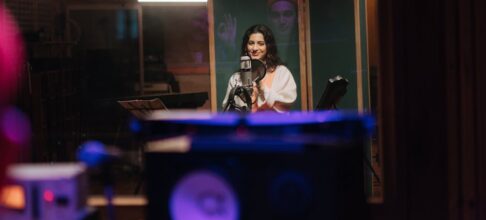
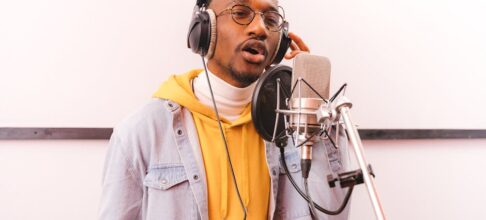
Pre- workflows were almost ritualistic: up-and-coming talents would cycle through soundproof booths at places like Audio Brothers (Rotterdam), trying out lines under a director’s gaze while engineers fiddled with Neumann mics behind glass. Today? Half of those sessions happen remotely, especially since lockdowns forced both agencies and freelancers to invest in home setups—an unexpected shift that remains sticky even as studios reopen.
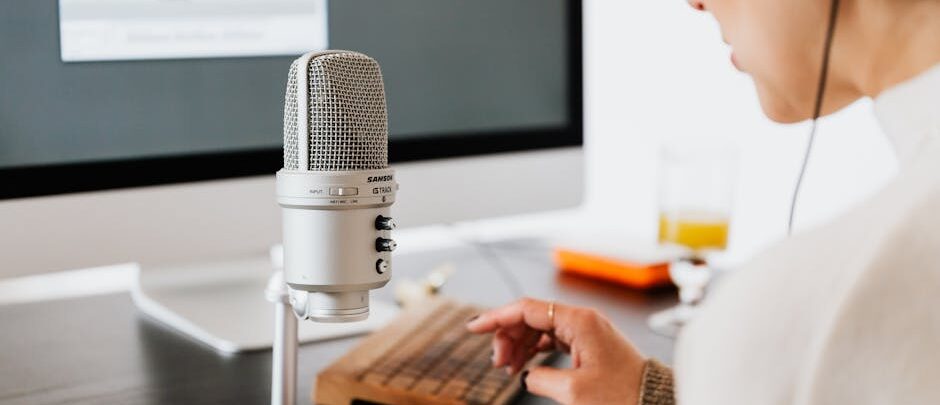
In practice this means Dropbox folders overflowing with alternate takes; directors giving feedback via WhatsApp voice notes; audio editors piecing together final mixes from files recorded on everything from pro-grade gear to IKEA closet panels draped with duvets. Quality control has become both easier (more takes) and harder (inconsistent acoustics). Producers I spoke to estimate roughly % longer post-production times when managing remote talent compared with pre-pandemic studio schedules.
Regional Nuance Isn’t Just About Accent
Dutch spoken in Groningen doesn’t match what you hear near Eindhoven—and big national brands know it matters. When ING refreshed its mobile banking app onboarding videos last autumn, its agency specifically instructed their chosen Haarlem narrator to avoid stereotypical Randstad intonations (“geen Gooische R”). Agencies serving multinational clients now maintain voice databases tagged by city-of-origin, age bracket, gender identity—and increasingly non-binary options are requested for youth-oriented campaigns following shifts seen since .
A common pattern among gaming localization teams based in Warsaw handling Dutch releases: they’ll ship scripts out for review by native speakers from different provinces before locking down final castings—a process that sometimes delays launches but consistently scores higher satisfaction ratings among test groups.
Case Study: The Gaming Angle — Polish Studios Go Dutch
One recent scenario comes straight out of CD Projekt Red’s Krakow office during their push into Benelux markets with indie RPG spinoffs. Early tests using generic European “neutral” accents backfired; player forums filled up with complaints about wooden delivery and odd phrasing (“like Google Translate read by Siri,” one reviewer quipped). By shifting focus toward actors sourced via Amsterdam’s Voicebooking platform—a favorite among European game developers—they saw user retention tick up by % over previous builds according to internal QA metrics shared at Gamescom .
What emerges here is less an obsession with linguistic perfection than audience trust: players wanted voices that felt lived-in, unmistakably local—the difference between immersion and distraction.
The Economics Underneath: Pricing Pressures & Talent Shortages
Rates haven’t kept pace with demand either. In standard advertising projects managed by ZIGT Media (Hoofddorp), budgets allow €–€ per finished minute for experienced narrators—but junior talent trying to break in often settle for far less through freelance aggregators like Fiverr or Voices.com. Veteran voice artist Willemijn Verkaik recently commented on BNR Nieuwsradio about increased price compression as clients chase quick turnarounds over nuanced performance: “There are weeks I do six jobs just to match what used to be two.”
Meanwhile agencies face shortages—not so much of raw numbers but of distinct vocal types able to carry long-form narratives without listener fatigue. This has led some studios (notably Sprekend Nederland) to start annual casting calls specifically looking for bilingual second-generation immigrants whose inflection bridges traditional registers and new multicultural realities—a marked change from even five years ago when RP-like neutrality was prized above all else.
Final Takeaways From The Floor — Where It Actually Happens
If you shadowed an engineer at Earforce Amsterdam during a hectic Monday booking block—for automotive ads one minute, educational cartoons the next—you’d see how little time there is for textbook theory or elaborate audition rounds. Scripts arrive half-finished; reference clips come from Danish original versions; everyone juggles last-minute script tweaks prompted by legal teams worried about misread product claims under EU law.
And yet somehow it works—partly because industry veterans have built informal networks where trusted talents get fast-tracked bookings based solely on WhatsApp availability pings (“Ben je vanmiddag vrij voor een spoedklus?”); partly because even multinationals accept rougher edges if deadlines loom (“we can fix it in post”).
So what should outsiders really know? That despite slick demo reels and glitzy award shows highlighting perfect syncs or stirring narrations—the actual world of Dutch voice over is messier, louder, faster-paced… And more vulnerable than ever to rapid shifts driven by tech adoption patterns set miles away from Dam Square or Utrecht Central Station.