The Numbers No One Expected
Let's start with a number most Western producers didn’t see coming: according to IYUNO-SDI Group's internal client reporting from late , requests for Mandarin and Cantonese voice adaptation doubled year-on-year across their EMEA operations. In practical terms, this means Chinese language versions now sit alongside French and German as standard deliverables for everything from Netflix Originals to Ubisoft cutscenes.
This isn’t just about content heading east. In Australia, SBS On Demand added Mandarin tracks to nearly % of its top-streamed international series in Q1 —a direct response to local viewership analytics showing surging bilingual engagement among Gen Z audiences.
Why Did This Happen Now?
Some blame TikTok—the world’s biggest video app by monthly hours watched—whose algorithm began prioritizing local-language trends around . Others point at Tencent Video’s global licensing deals, which require full-voiceover packages (not just subtitles) as a contractual norm since mid-.
But there’s also the sticky reality of community-led translation. In gaming circles, especially among fans of Genshin Impact (a product of Shanghai-based miHoYo), grassroots patching efforts forced major studios like CD Projekt Red to rethink how quickly they can release official Mandarin audio packs alongside Japanese and Korean ones. What used to be a niche request became an overnight expectation—with fan-translated mods circulating days after launch.
The Unspoken Challenge Inside Studios
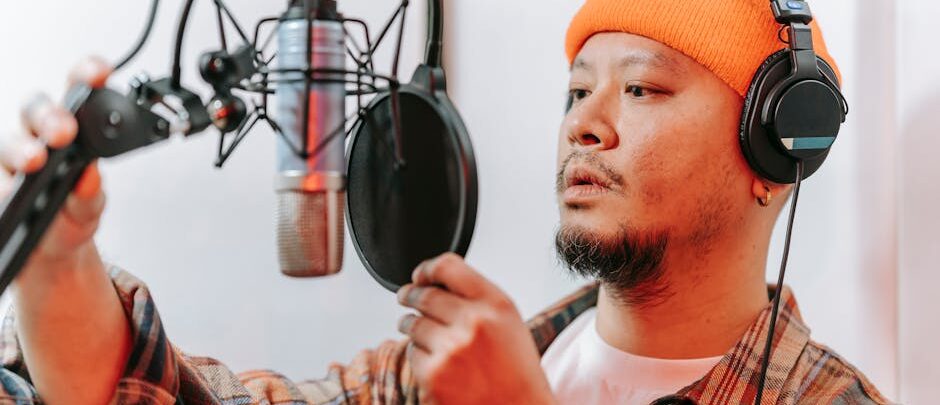
Walk into Vixon Audio Labs—a boutique sound studio tucked behind Munich’s Sendlinger Tor—and you’ll hear something unusual on the mixing stage: native Mandarin directors coaching German actors through unfamiliar vocal cadences. As managing engineer Lars Egger told me last winter: “You have English and Spanish workflows down pat; suddenly there are new intonation rules, character archetypes that don’t map one-to-one.”
Egger recalls last year’s chaos with a major streaming drama adapted for mainland China. The script was ready in three weeks; but casting credible voices who could match both urban Beijing accents and regional inflections stretched timelines by double the usual cycle. Even top AI dubbing tools like Respeecher couldn’t fully bridge cultural subtext—the result had to feel real.
Case Study: Game Localization From Warsaw To Chengdu
Last autumn, indie game studio Sun Tail Games (Warsaw) faced pressure from its publisher after beta testers in Chengdu flagged stilted voice acting in their adventure title "Starling's Echo." Their original plan relied heavily on text localization plus English VO dubbed into Chinese using an AI pipeline via Papercup.
Within two weeks post-launch, unsatisfied feedback led them back to square one:
- They hired a small team from Shanghai-based VoicEra Studio for bespoke dialogue reads.
- The new workflow involved remote direction sessions spanning time zones—Warsaw mornings/Chengdu evenings—with ad hoc cultural consultants reviewing each line.
- Production costs rose about %, but Steam sales in China jumped almost % within three months—enough that Sun Tail has since committed every title going forward to full native voice-over launch parity for Simplified Chinese.
The Platform Effect: Streaming Giants Set New Rules
Netflix is rarely first through the door with experimental localization—but once it moves, everyone else follows suit or risks irrelevance. When Netflix expanded its Asian Originals output circa –, only Korean and Japanese were prioritized for global revoicing workstreams. By early , however, all premium kids’ animation releases required at least three Chinese variants (Mandarin mainline, Taiwanese accent variant, Cantonese dialect), regardless of primary market intent.
In practice? A typical European post-production agency now builds extra buffer time into their workflows—sometimes up to four additional weeks—for QA cycles involving external Mandarin-speaking reviewers contracted through platforms like ZOO Digital or Iyuno-SDI's cloud toolset.
More Than Just Lip Sync – Cultural Resonance Matters Now
The biggest lesson from recent projects isn’t just linguistic accuracy—it’s emotional resonance across continents. Australian media agencies adapting campaigns for WeChat or Xiaohongshu routinely report that direct translations fail unless paired with authentic regional delivery styles and locally-recognized celebrity talent (think Douyin influencers instead of Western YouTubers).
Take the case of Melbourne-based creative shop Lantern & Co., which landed a pan-Asian campaign for a luxury brand last year: half their budget went toward securing high-profile voices popular on Bilibili rather than traditional TV personalities. It paid off—the final campaign delivered triple the expected impressions in targeted WeChat groups compared to previous attempts relying solely on generic dubbing pools.
AI Tools Are Everywhere—But Human Voices Still Rule Final Mixes
Much buzz surrounds synthetic voice tech—Papercup claims over half its recent client projects include at least one Asian language output; Veritone reports similar numbers from US-based media clients diversifying outreach strategies for Douyin or iQIYI syndication deals.
Yet even amid rapid advances (Respeecher can now mimic subtle tonal shifts required by northern vs southern dialects), veteran sound directors remain skeptical about full automation outside ultra-fast news recaps or low-budget e-learning modules. Real-world campaigns still rely on hybrid pipelines blending machine pre-dubs with live human retakes—a pattern echoed by Berlin-based Dubbing Brothers during their rollout for Amazon Prime series entering Hong Kong markets this spring.
Looking Back To See Ahead
It wasn’t always this way—in the early 2000s even high-budget Hollywood films often skipped professional Mandarin voice-over entirely when exporting DVDs throughout East Asia; local distributors would sometimes slap on amateur dubs recorded in single-room studios just days before release dates. Only after box office returns lagged behind K-drama imports did global players begin investing meaningfully in nuanced audio localization beyond subtitles alone.
Now? Streamers treat multi-regional voice packages as minimum viable product—the very thing that once seemed excessive has become table stakes across games, series and advertising alike.