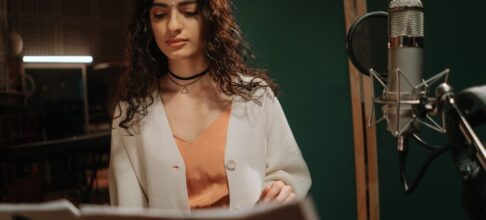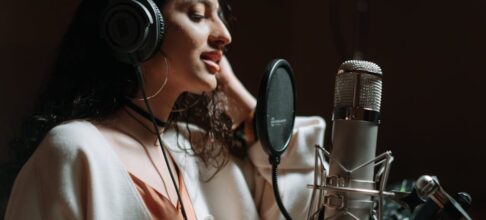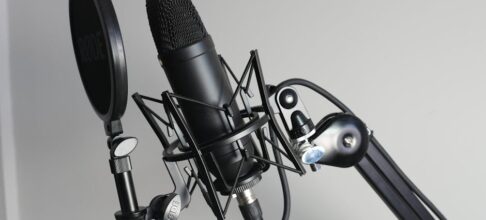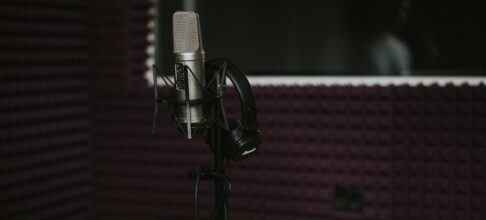
It’s 7: p.m. in Burbank, California, and the silence in Studio D is broken only by the hum of an air conditioner—plus a single voice reading lines for a streaming series that will hit platforms in three weeks. It’s easy to forget that, until not so long ago, this booth would have been crowded: engineer, director, sometimes even an agency rep lurking awkwardly behind glass. In , it’s often just the actor (if human at all), plus maybe a remote producer on Zoom from London or São Paulo.
This isn’t the story of AI taking over everything—at least, not yet. The thing nobody seems to discuss openly is how fractured and hybrid the future of American Voice Over work has become. For every headline about synthetic voices threatening jobs, there are entire sectors where real talent still dominates—but almost always under new conditions no one quite prepared for.
The Contradictions Underneath the Surface
Take Netflix’s Los Gatos localization facility. Their process doesn’t look much like what union voice actors remember from early 2010s pilot season. Today, scripts arrive translated and time-coded by teams spread across four time zones. Some shows use American actors recording remotely from home studios with Source-Connect; others lean into AI-generated temp tracks before a final pass with SAG-AFTRA members. A recent animated feature had at least six different workflows running simultaneously—in English alone.
But contrast that with audiobook production at Audible’s Newark hub: here, veteran narrators like January LaVoy are still booked out months ahead because publishers see her name as an audible selling point (pun intended). Yet even she mentions occasionally being asked to “match” synthetic retakes when clients want last-minute changes without rebooking everyone.
The Crossover Nobody Predicted: Game Studios Meet Hollywood Habits
In Austin, Texas, Arkane Studios—the team behind “Deathloop”—runs their VO sessions differently than TV or film houses ever did. They’ll patch in talent from LA or Vancouver but keep a rolling archive of high-fidelity takes on AWS servers so directors can swap out dialogue post-launch without expensive re-recordings. According to one audio lead I spoke with last year, nearly % of their project budget for voice direction now goes into digital asset management and revision cycles—not just paying actors per hour.
A friend working on indie games in Warsaw told me Polish studios increasingly request American-accented samples delivered overnight via online casting tools like Voices.com or Voquent—and expect them to be AI-compatible (for modding or dynamic dialogue systems). In practice? That means US actors submit pristine WAV files alongside metadata packages specifying emotion tags and pronunciation notes—a far cry from the old days of line-by-line recording with someone holding a script beside you.
Metrics Few Want to Admit: Shrinking Gigs and Expanding Reach
The numbers aren’t pretty for small-time VO artists chasing commercials or explainer videos through Fiverr or Upwork; rates have dropped by –% since according to freelancers who track their own bookings religiously. But paradoxically, overall output has ballooned: more hours recorded per year than ever before thanks to increased demand for e-learning modules and micro-content for TikTok-style campaigns.
A common workflow in Australian creative agencies today involves commissioning brief American VO segments for social media projects targeting US audiences—often using cloud-based tools where approvals happen asynchronously across continents within eight-hour windows.
Historical Snapshots: Before Remote Was Normalized
Go back fifteen years: in New York City’s Chelsea neighborhood circa , commercial VO was mostly local—a handful of big agencies funneled all work through two or three trusted booths. If you weren’t on-site by noon for a pharma spot read-through, you probably missed your shot entirely.
By contrast, after COVID- upended studio access in spring , ad agencies like Droga5 began sourcing reads globally—sometimes assembling entire campaigns from dozens of talents recording separately in Denver basements or Toronto spare bedrooms.
Where Does Craft Actually Matter Now?
Here’s what lingers below all this tech churn: brands still chase authenticity when it counts most. Disney+’s recent push into non-English originals led them to commission bespoke regional dubs—even hiring local cultural consultants—to avoid accusations of generic “Americanization.” At least three major anime distributors have quietly reversed plans for full synthetic English dubs after focus groups rejected robotic intonation during character-driven scenes.
Yet there’s another pattern emerging: modularity over artistry. Corporate explainers and training content (think onboarding videos at multinationals like Cisco) are moving toward plug-and-play narration styles that can easily be swapped out if legal requirements change—or if someone wants British English instead next quarter.
A Future Built on Friction—and Odd Bedfellows?
Nobody likes to say it aloud but many American voice talents now supplement their income voicing short snippets for foreign mobile apps launching stateside—while also competing against those same companies’ machine learning models trained on prior human sessions.
Last autumn I watched a mid-sized European localization firm demo an end-to-end pipeline using Respeecher for initial drafts and then layering custom pickups by LA-based pros (remotely). Their client? An education startup rolling out multilingual content across six countries—with deadlines measured in days rather than weeks.
So as the pipeline fragments further—from live-directed drama recordings in New York studios to quick-turnaround corporate gigs handled entirely via web app portals—the only certainty is unpredictability itself.