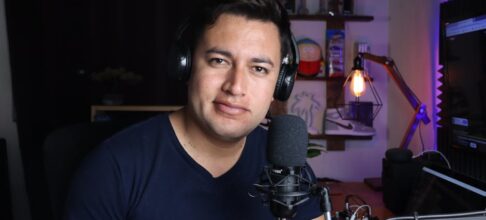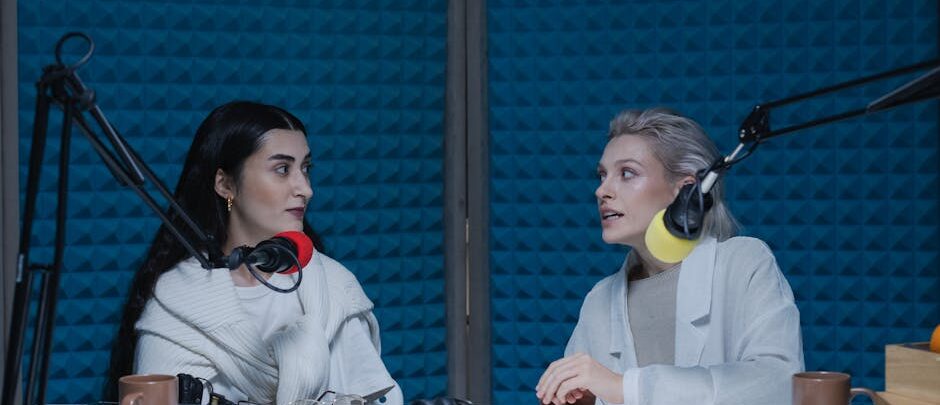
Nobody outside the booth talks about the fact that most recognizable American voices are, well, nothing like what you hear in your own living room. Industry insiders—especially those who've worked on the back end of localization for streaming giants or in mid-tier ad agencies—know there's a game of smoke and mirrors going on. The public image is all velvet pipes and instantly recognizable intonation; the reality is a grind of repeat takes, spreadsheet-driven casting choices, and a surprising reliance on improvisation even for seemingly rigid scripts.
The Myth of "The Voice": Pipe Dreams vs. Spreadsheet Reality
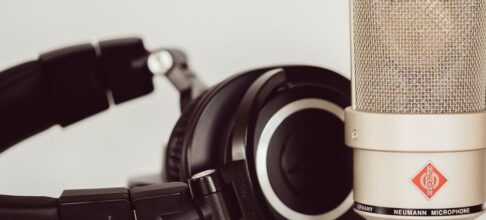
When people think "American Voice Over," they picture someone like Don LaFontaine booming “In a world…” into a golden Neumann U87. But at studios like Sound Lounge in New York City, which handles both commercial and documentary narration for Hulu originals, I've seen breakdowns where casting is dictated less by sonic perfection than by availability and budget caps. In , they juggled over projects with just core voice talents—an efficiency move more than an artistic one.
Real Workflow: Studio Churn and Ad Agency Shortcuts
Take a campaign I observed last year for a West Coast game developer localizing their AAA title into North American English. Instead of celebrity voices or even seasoned SAG-AFTRA talent, they booked three versatile actors from Voices.com to fill roles each. The production manager ran sessions remotely from Austin via Source-Connect (with backup Zoom audio), juggling two time zones and five directors’ script notes live.
Sessions ran late into the night—not because of creative exploration but due to endless file labeling requirements imposed by the client’s proprietary asset management tool. This is what you don’t see at industry conferences: tired actors repeating “Let’s go!” with minor emotional tweaks while project managers type out file names like NPC_14B_EXCITED_v2.wav until carpal tunnel becomes an occupational hazard.
Why AI Hasn't Replaced Humans (Yet)
You’d expect that tools like Respeecher or ElevenLabs would have taken over by now, especially given how Netflix reportedly increased its automated dubbing pilots by nearly % between – for non-English content. Yet every LA-based post house I’ve talked to says AI voices still fail basic emotion tests for lead characters—and clients notice.
One boutique studio in Burbank told me that when tasked with creating synthetic reads for an educational series aimed at Midwest school districts, initial feedback was so negative (“robotic,” “unrelatable”) that they reverted to human VO within two weeks—even though AI had shaved off % from their original timeline estimates.
The Money Is Never Where You Think: Rates, Residuals, and Platform Politics
The big lie? That voice work pays steadily—or well—in most cases. Unless you’re voicing Geico geckos or national beer spots (think Budweiser during Super Bowl season), rates have become fiercely competitive since platforms like Upwork started listing $-per-session gigs alongside union minimums hovering around $/hour plus residuals.
In practice, many mid-level talents patch together incomes from four or five platforms simultaneously—Voquent for international e-learning jobs; Bunny Studio for fast-turnaround ads; even TikTok-native campaigns run through distributed agency networks in Atlanta or Dallas. A veteran VO friend told me bluntly: "Only about % of my work comes from union contracts anymore—the rest is piecemeal online hustle.”
Casting Contradictions: Authenticity vs. Stereotype Fatigue
There’s also quiet discomfort around accent authenticity versus market expectation. For years, US-based anime localizations defaulted to flat Midwestern inflections—a corporate favorite since Funimation's early dubs in the early 2000s—ignoring regional diversity entirely. Only recently have studios like Crunchyroll begun experimenting with broader accent pools after pushback from both creators and fans.
But this shift isn’t always smooth: I watched a Polish localization team working with an LA partner struggle over whether to keep regionalisms intact when adapting US crime dramas—ultimately reverting to generic “network TV” sound because focus groups flagged unfamiliar dialects as distracting rather than immersive.
Anecdotes From Outside Hollywood: Sydney and Warsaw Take Notes
It’s not just America feeling these tensions. A Sydney-based ad agency I shadowed last winter handled Australian brands expanding into the US market using American-accented VOs recorded locally—for cost reasons alone. Meanwhile, small studios in Warsaw increasingly rely on “neutral American” templates sourced from global freelance rosters rather than flying talent overseas—a process streamlined through platforms like Voice123 but rarely discussed openly at industry panels obsessed with creativity.
Yearning For Something Real (or At Least Different)
Here’s what almost nobody admits outright: There’s fatigue setting in among both producers and listeners regarding predictable American voice styles—the same confident warmth cycling through car ads and dating apps alike. Some indie game developers now specify “non-broadcast” delivery styles in their briefs (less polish, more texture) hoping to stand out amid algorithmic sameness.
A director I know at Berlin-based media collective Klanghaus has started booking lesser-known US expats living abroad specifically because their cadence feels less templated—and younger audiences seem to respond positively based on AB test results showing up to % longer average engagement times per session compared to conventional reads.
Conclusion? No Clean Conclusions Here...
If you walk away with anything from real-world observation of American voice over production circa now, it should be this: what lands on airwaves or streaming playlists reflects far more compromise—and behind-the-scenes labor—than anyone wants you to believe. The faces stay hidden; so do most of the industry’s inconvenient truths.