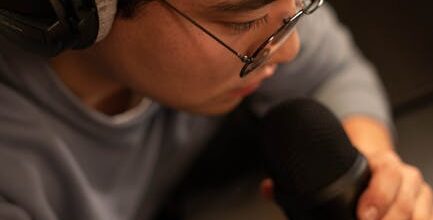
British voice over as an industry is both a tradition and a battleground. The expectation? That the familiar, trustworthy cadence of a London accent or the warm lilt of Manchester will always be in demand. The reality on the ground is less predictable—and more interesting.
A peculiar moment occurred back in . A mid-tier post-production house in Soho, London—let’s call them Sonic Thread—found themselves under pressure from a US-based streaming platform (not Netflix, but similar scale) to deliver four different regional UK accents for a single animated series. They scrambled to source not only classic RP voices but also Yorkshire and Scottish talent within seventy-two hours. The project manager later joked that finding the right Northern Irish narrator was harder than landing a BBC commission.
This isn’t just about variety for its own sake. Global content platforms are hungry for Britishness—but also hyper-aware of how nuanced that identity can be. And as international clients like Amazon Studios or Ubisoft ramp up their productions with British characters, the old stereotype of “posh British villain” no longer pays the bills.
The AI conundrum: synthetic voices vs lived experience
In Berlin’s audio studios—the kind handling everything from indie games to VR training modules—a new tension has emerged around AI-generated British voices. Tools like Respeecher and ElevenLabs have made it possible for German teams to generate passable Cockney or Home Counties accents at scale—sometimes pushing out hundreds of lines per day without casting real actors at all.
Yet when I sat in on a review session last autumn at a Warsaw localization agency (they handle EMEA dubs for two major game publishers), the creative director stopped playback cold during an AI-generated cutscene: “That doesn’t sound like someone who grew up outside Liverpool,” he said flatly. “It sounds like someone who watched Peaky Blinders twice.”
Human nuance still wins, especially when authenticity is key to character and brand positioning—a fact not lost on producers targeting Gen Z audiences who sniff out fakes faster than any QC checklist ever could.
When ad agencies go north: real budgets, real constraints
In Sydney, one leading creative agency working with UK-bound campaigns recently faced an unusual situation. Their client—a global food delivery app—insisted on using distinctly Geordie voice talent after discovering sharp engagement spikes in Newcastle test markets (a % CTR uplift compared to generic southern English). But sourcing authentic regional talent with professional VO experience proved so tricky that they ended up flying in two freelancers from Gateshead for an overnight session.
This isn’t rare; even large advertising groups like WPP’s London branch report turnaround headaches due to scarcity of certain regional VO artists, despite boasting networks of hundreds of contacts across England and Scotland. According to several agency producers I spoke with, less than % of their active roster regularly records in anything other than standard RP or Estuary English—even though briefs now increasingly demand regional variety.
Streaming wars and franchise fatigue: why familiarity breeds business risk
Back when ITV launched BritBox internationally (), their marketing leaned heavily into the unique soundscape of British drama—the kind viewers associate with Broadchurch or Vera. For years this worked; data from showed BritBox US users rated “authentic-sounding” narration as one of their top-three draws versus American streaming competitors.
But by late , focus group feedback began shifting: younger viewers wanted “real people” rather than what one participant called “drama school diction.” There’s mounting evidence that companies relying solely on traditional VO styles are losing ground in key demos under age —especially on social-first platforms like TikTok or Instagram Reels where offbeat or non-professional voices often outperform seasoned pros for certain formats.
Workflows built for speed—and sometimes regret
In actual production pipelines today—from Parisian animation houses dubbing UK shows into French, to corporate e-learning modules recorded overnight at Manchester facilities—the workflow rarely follows textbook logic. Deadlines routinely force directors to compromise between voice actor availability and accent precision.
A typical scenario observed at a medium-sized audio studio outside Birmingham involves juggling three projects simultaneously: an educational VR module needing neutral southern tones; a mobile game set in Victorian London requiring streetwise banter; and a fintech explainer video whose client wants nothing "too BBC." Sometimes they tap local drama students if union-approved talent can’t make it before Friday’s export deadline—a practical solution but one fraught with risks around consistency and performance quality.
New players, new pressures: platforms shape expectations
Apple TV+ set off quiet ripples among UK voice artists after its first slate of original series demanded full-cast narrations featuring Welsh and Cornish accents—voices traditionally overlooked by mainstream agencies. Several freelancers reported being asked to submit up to five accent samples per audition via online portals such as Voices.com, often getting cast not because they were the best actor but because they hit the right niche accent brief faster than anyone else available that week.
To put it bluntly: whoever controls access—to talent pools, dialect expertise, real-time delivery tools—now shapes what "British" sounds like globally far more than any legacy casting agent ever did.
Looking forward? More fragmentation—and opportunity alongside confusion
What does all this mean? For every story about AI making things easier—or threatening livelihoods—there’s another about human skill rising above algorithmic imitation. European media buyers privately admit they’re watching Australia’s surprisingly nimble hybrid workflows (combining synthetic voices for scratch tracks then replacing final dialogue with hand-picked local actors) as models worth copying for pan-European campaigns next year.
If there is any certainty now, it’s that "British Voice Over" has become shorthand not just for reliability or prestige but also adaptability—and occasionally chaos—in workflows stretching from Soho post houses to home studios in Leeds basements.