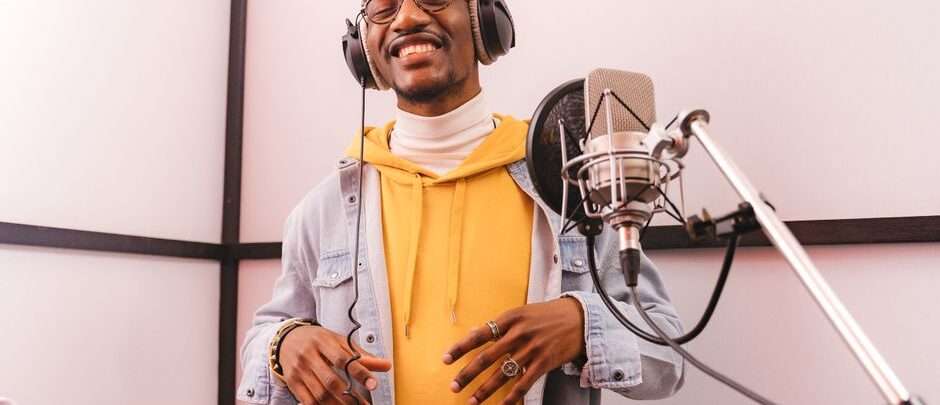
There’s a quiet contradiction playing out in the global content industry. While big studios in LA and London are slashing costs with AI-dubbing tools and synthetic voices, studios from Lagos to Johannesburg are fielding more human voice talent than ever. At first glance, this looks like nostalgia for authenticity, but the numbers tell a different story: Afrikan Voice Over is not just surviving—it’s multiplying.
Consider Multichoice’s Showmax, one of Africa’s streaming behemoths. By late , their localization team had quadrupled its roster of Swahili, Zulu, Yoruba, and Hausa voice actors compared to pre-pandemic years. In practice, this means entire children’s series—previously only available in English or French—are now voiced by local talent using regional dialects and accents. Showmax’s head of content adaptation said at an industry event in Nairobi last October: “Our viewership spikes over % when we drop a new show with original language dubbing.”
But it isn’t just about numbers. European localization agencies such as SDI Media Poland (now Iyuno) began outsourcing parts of their African language work after Netflix greenlit its first slate of South African Originals around . One project manager described how "scripts would arrive from Joburg overnight, then pass through Warsaw audio booths by morning." This cross-continental workflow—still rare three years ago—is now routine for mid-sized agencies handling Nollywood films or Kenyan animation destined for global platforms.
A Lagging Tech Revolution—And Why That Matters
Here’s where it gets interesting: Silicon Valley has yet to crack authentic-sounding automated voices for many African languages. Even Google’s text-to-speech engine provides only rudimentary support for major tongues like Igbo or Amharic—and often misses tone subtleties crucial to meaning. A Nigerian production house I visited last February tried running pilot episodes with AI-generated Yoruba narration; the result drew ridicule on local forums for sounding “like a robot imitating my grandma.”
So while US ad agencies can spin up Spanish or Mandarin campaigns with a click in Descript or Resemble.ai, studios serving East and West Africa still book real voice artists—often recording remotely from home setups pieced together during COVID- lockdowns.
Case Study: Gaming Studios Betting on Local Talent
Take Maliyo Games in Lagos—a developer specializing in culturally-rooted mobile games since . Until recently, they used English-only dialogue paired with visual cues for regional flavor. But after user analytics revealed higher engagement rates (upwards of %) when game characters spoke pidgin or Hausa—even if just for key catchphrases—they started contracting local actors through online casting platforms like Voice123. Now their top title features seven distinct Nigerian dialects recorded across five cities.
This is not an isolated trend; Ubisoft Ivory Coast experimented last year with hybrid workflows: scripting dialogue locally but mixing audio at their Paris facility due to better studio infrastructure there.
Budgets Are Shifting Below the Line
What most outsiders miss is how budgets have quietly shifted away from high-profile on-camera talent towards vocal performance behind the scenes. A Cape Town-based animation producer told me bluntly at DISCOP Africa : “Voice pays rent now.” Her studio doubled its annual output simply by adapting old content into Xhosa and Tswana—requiring dozens of semi-professional narrators sourced via WhatsApp groups rather than agencies.
Barriers? Sure. Payment logistics are famously tricky, especially cross-border remittances when hiring freelance artists in Tanzania or DRC. Yet informal networks fill the gap where banks stumble; I’ve seen contracts closed over Telegram before PayPal even loads.
The Tidal Pull From Diaspora Markets
Another overlooked catalyst is demand from diaspora communities scattered across Europe and North America. London-based distributor FilmOne Global reported that subtitled-only releases underperform with UK-Nigerian audiences by almost half compared to dubbed versions featuring recognizable Lagosian slang and intonation.
In Berlin's Kreuzberg district—a microcosm of pan-African culture—I joined a post-production session where German broadcasters were prepping Ghanaian reality TV for ARD Mediathek. Every third note from exec producers circled back to "authenticity"—a cue that meant finding Ghana-born actors living within subway distance who could capture Kumasi street idioms.
Looking Back—and What Might Break Next?
Historically, African markets endured decades as afterthoughts in global dubbing pipelines; consider how Disney classics landed on SABC channels dubbed awkwardly into Afrikaans but rarely isiZulu until late 2000s digital satellite expansion made segmentation viable at scale.
The turning point arguably came with Nollywood's international ascent (post-), which forced everyone—from Amazon Prime Video to small French VOD upstarts—to rethink what counted as viable localization spend.
Now it’s less about ticking diversity boxes than unlocking revenue: every time a platform adds Wolof narration or Igbo comedy tracks, streams spike—not just in Dakar but among expats binge-watching abroad.
Closing Thoughts (But Not Conclusions)
It won’t all be smooth sailing: as AI matures and investment cycles shift again (already visible in some Morocco-based startups experimenting with neural synthesis), these patterns might fracture quickly—or deepen further if vocal authenticity proves sticky enough against tech-driven cost-cutting winds.
For now though? If you want to see where content globalization gets genuinely complex—and unexpectedly profitable—watch what happens next in Afrikan Voice Over.