Dubbing Egyptian Dramas: An Early Benchmark
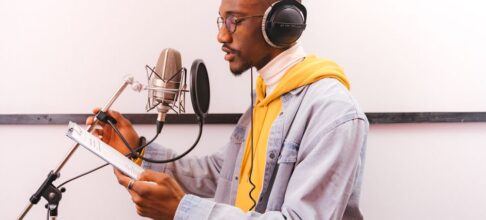
In , if you wandered into any major Egyptian studio like Studio Masr, you’d hear a distinct cadence: the unmistakable warmth of Cairene dialect. This was—and often still is—the default for pan-regional productions. When satellite TV boomed in the late '90s, Egyptian actors voiced everything from soap operas to dubbed Turkish series. The industry’s first wave grew out of these dubbing rooms: echoey chambers padded with blankets, scripts marked up in pencil, seasoned directors barking corrections through static-laced headsets.
But even then, producers in Amman or Dubai would grumble: "That accent won’t sell to Gulf families." So by the early 2000s, studios across Jordan and Lebanon began experimenting. Instead of localizing content for each market—impossibly expensive—they aimed for Modern Standard Arabic (MSA), flattening regional quirks into something theoretically neutral. Voice over artists were suddenly coached not just on tone but on erasing their own city from their vowels.
Netflix Enters the Scene: Rewriting Expectations
The real inflection point came around when Netflix started commissioning full-scale MSA dubs for original shows launching in North Africa and the Gulf. In practice? Studios like Sama Art International in Beirut retooled their workflows overnight. Instead of one narrator reading documentary scripts solo (the norm for state TV), teams now coordinated entire casts remotely across time zones—and Netflix’s quality checks meant every misplaced glottal stop could trigger a revision round.
By , about half of Netflix’s high-profile series made available to Arab audiences featured fully localized audio tracks—not just subtitles—for both children’s animation and prime-time drama. That forced even traditional broadcasters like Rotana and Shahid.net to rethink their approach; they couldn’t bank on subtitling alone or old-school radio voices anymore.
Gaming Studios Get Ambitious (and Pick Sides)
The pattern repeats elsewhere. In European game studios developing Middle Eastern versions—think CD Projekt Red Poland or Ubisoft Montreal—the practical challenge isn’t just translation. It’s matching game character archetypes with believable Arabic voices that resonate both in Casablanca cafés and Sharjah living rooms.
A localization producer at Ubisoft’s Abu Dhabi office tells me that for big releases after , at least three dialectal reads are common: Gulf Arabic for Saudi/Kuwait markets; Levantine for Jordan/Lebanon/Syria; and a formal MSA fallback for everything else—including Egypt itself sometimes, ironically enough.
AI Tools Promise Magic—but Talent Pushes Back
Today there’s another twist: synthetic voices engineered by platforms like Respeecher or ElevenLabs are quietly being piloted by ad agencies in Dubai Media City. The promise is seductive—a campaign manager can spin up five regional variants overnight without calling any actual actors.
But here’s what actually happens in many workflows observed last year: clients approve only about % of AI-generated samples; the rest get flagged as “uncanny,” “plastic,” or simply missing crucial emotional nuance (especially in comedic or sensitive scripts). A mid-tier production house I visited in Riyadh still insists on live talent for luxury car ads—even as junior staff experiment with AI narration for e-learning modules bound for Sudanese NGOs.
Where Brands Actually Spend Their Money Now
For massive Ramadan campaigns rolling out across GCC countries—a $1 billion ad season by some counts—the top agencies still book real vocalists weeks in advance from Cairo or Beirut rosters instead of betting solely on synthetic tracks. There’s an unspoken formula at play: splashy TV spots get human stars; explainer videos and digital-only assets might go mixed or synthetic depending on budget pressure.
One creative director at Leo Burnett Beirut admitted last March that while % of their digital video content now uses some form of automated mixing, only about % relies entirely on AI-driven voiceover without human review or augmentation.
Fractured Identity—or Creative Freedom?
Is it chaos? Maybe—a little. But it also means more creative freedom than ever before:
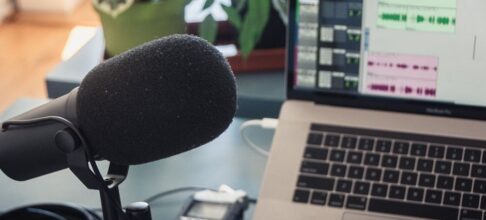
- Syrian podcasters can self-produce with affordable home gear,
- Moroccan indie filmmakers mix dialects deliberately,
- UAE-based brands craft hyper-localized TikTok scripts with influencers voicing their own lines (no studio needed).
What hasn’t changed is friction around who gets to define "authenticity" when it comes to spoken Arabic on screen or speakerphone. Marketers want reach; audiences crave recognition; technologists chase efficiency—but somewhere between those poles sits a new generation of vocal artists leveraging both tradition and tech.
So if you ask anyone working inside these pipelines today whether Arabic voice over has finally found its singular sound? Expect them to laugh—and keep recording.