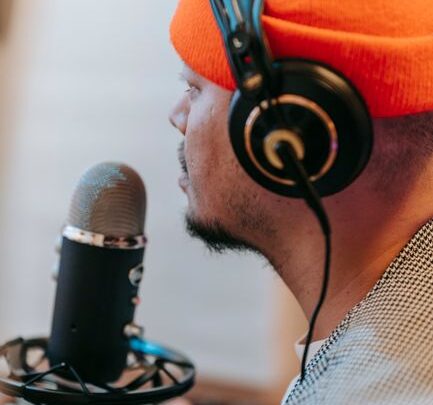
There’s a certain moment in 2019 I keep coming back to. I’m sitting in a stuffy Johannesburg dubbing suite, headphones pressed tight, as Zanele—one of the city’s most in-demand Xhosa voice actors—rehearses lines for a French animation being localized for South African broadcasters. The director, a German expat with Netflix credits, leans into the mic: “Make it sound… less polite.” There’s laughter. But also tension. The implication is clear: Global studios are waking up to something raw, textured, and unmistakably Afrikan—a cadence that doesn’t always fit Western sensibilities but demands attention.
Old Guard Meets New Sound
For decades, the global voice over industry orbited around London- or LA-trained talent. Even when stories were set in Nairobi or Lagos, major platforms defaulted to familiar US or UK delivery styles—a vanilla export model that barely acknowledged local nuance. But by the late 2010s, things started shifting. Disney+ began commissioning Zulu dubs for their animated catalog; Amazon Prime Video quietly tested Yoruba-language pilots for Nigerian audiences; even Ubisoft’s South Africa-based QA teams requested authentic Swahili voice samples for an unannounced open-world game.
What changed? In part: streaming’s arms race for local subscribers. But there’s more at play—the realization that distinct Afrikan voice signatures don’t just serve authenticity on home soil; they travel well too.
A Johannesburg Studio That Changed the Rules
Take Pollen Studios, based in Braamfontein. In early 2022, they landed a contract with Cartoon Network EMEA to localize two seasons of "Powerpuff Girls" not just into isiZulu (expected), but also Tswana and Afrikaans variants with regionally tuned humor and slang. What’s overlooked is how their team approached casting: instead of pulling from existing radio rosters (a typical shortcut), they ran open calls across Soweto and Pretoria colleges—scouting students who’d never stepped in front of a mic.
The result? A style that sounded nothing like classic South African broadcast English or sanitized international accents. According to Pollen’s project lead Nomvula Khoza, test screenings showed retention rates among kids in Gauteng jumping by nearly 30% compared to previous dubs sourced from Cape Town agencies using veteran talent.
But here’s the twist: That same flavor—the rhythmic breaks, clipped endings, irreverent timing—ended up resonating far beyond South Africa. When YouTube analytics rolled out region-by-region breakdowns mid-2023, dubbed clips picked up traction across Kenyan urban centers and even Tanzanian diaspora groups in Berlin.
From Nollywood to Nordic Suburbs
If you want evidence of cross-continental pull, look no further than what happened with “Blood Sisters,” the hit Nigerian Netflix original series released globally in May 2022. Post-launch reports from Paris-based localization firm Lylo revealed a spike in demand for West African-accented French VO—not just for African-targeted releases but also French drama remakes seeking gritty realism.
A producer at Lylo described how Scandinavian ad agencies started requesting Nigerian-English VO artists for high-energy radio campaigns targeting first- and second-generation immigrants in Stockholm and Oslo—a far cry from classic RP British voices that dominated European media until recently.
It isn’t nostalgia driving this trend; it’s recognition of cultural codes embedded within rhythm and inflection—and advertisers know these sonic cues hold real sway among globally mobile audiences.
AI Tools Get Tripped Up—and Inspired—by Afrikan Phonetics
Of course, technology complicates things. As AI-powered dubbing platforms like Respeecher or Papercup try to automate multilingual audio production at scale (they claim over 50 languages supported by early 2024), many run headlong into trouble when handling tonal languages such as Shona or Igbo—or code-switching patterns common throughout urban Ghanaian speech.
I’ve seen it firsthand during a demo at an Amsterdam studio last year: Papercup engineers admitted their models struggled most with fast-paced pidgin blends from Lagos YouTubers—often producing oddly flattened output unless manually corrected by native speakers during post-editing passes. This has led some studios (notably Berlin's Polyglot Media) to expand their roster of Afrikan language consultants by almost double since late 2022 just to ensure quality control on big-budget European projects targeting pan-African markets.
Beyond Tokenism: Who Gets Heard?
For all its growth, there are pitfalls—a tendency among Western clients to treat Afrikan VO as mere spice rather than substance. One telling example comes from Melbourne-based audio agency SoundBite Collective: after booking Kenyan Swahili talent for a global climate NGO campaign in early 2023, client feedback asked them to “dial down” regional intonations so overseas listeners wouldn’t find spots “too unfamiliar.”
But others push back on this impulse to sand off edges—in fact, that friction is precisely what makes modern Afrikan VO magnetic on platforms such as TikTok or Spotify Originals podcasts gaining ground across Europe and North America since mid-2021.
Data Points Hidden Between Accents
How big is this shift? While few public numbers exist outside industry paywalls, several insiders estimate demand for indigenous language dubbing grew between 20–25% across sub-Saharan Africa between late 2018 and late 2023—in part thanks to Disney+, Netflix SA Originals pipeline expansion post-COVID lockdowns.
Meanwhile, French Canadian production house DuVoix reported a quadrupling of requests for Igbo- or Hausa-accented narrators since introducing an Africa-focused product line targeting Francophone West Africa back in early 2021—a pivot driven largely by data showing higher engagement times on branded content voiced authentically rather than by generic Paris-based Africans reading scripted French copy.
Why Authenticity Suddenly Pays Off Globally
Part of this evolution traces back further than we think—to MTV Base Africa’s launch circa 2005 when Nigerian Pidgin presenters broke through cable TV monotony with punchy soundbites soon emulated by UK grime radio stations.
It’s no coincidence then that BBC Sounds’ London office now regularly sources Yoruba-English bilingual hosts trained via Lagos content incubators—a workflow unthinkable fifteen years ago when broadcast standards still mandated Queen’s English clarity above all else.
Where does it go next? Consider recent moves like Apple Podcasts sourcing original Chichewa-language crime docuseries pitched jointly out of Lilongwe and Manchester production teams—a sign that global appetite now runs both ways rather than simply exporting polished voices from Western metropolises outward.