It’s the sort of request that used to make localization producers wince: “Can we get this dubbed in Armenian?” The question itself, simple as it sounds, often signaled a coming headache. Historically, Armenian voice over wasn’t top of mind for global content strategies—not because demand was absent, but due to patchy infrastructure and a lack of standardized workflows. In , when Netflix first explored extending its interface and select originals into Armenia, even their usual vendor pool stumbled over casting and script adaptation.
Reality Check: There Is No One 'Armenian Market'
The temptation is always to lump smaller language regions into one bucket. But in practice, Armenian-language production splits along several axes—diaspora in Russia and California; local TV in Yerevan; heritage institutions working from Paris. Each cluster brings its own expectations about accent, dialect (Eastern or Western Armenian), and even what counts as "acceptable localization." A mid-sized game studio like Warsaw's Testronic Labs learned this lesson firsthand during a mobile game campaign targeting both Armenia proper and diaspora teens in Los Angeles. Their solution? Recording parallel tracks with two sets of actors—a workflow that added at least % more hours than their usual European pipelines.
Inside a Studio: A Day at Soundkey Yerevan
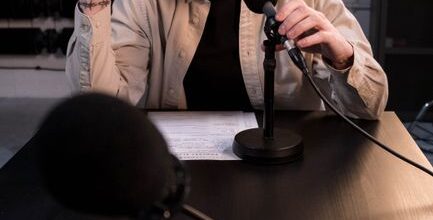
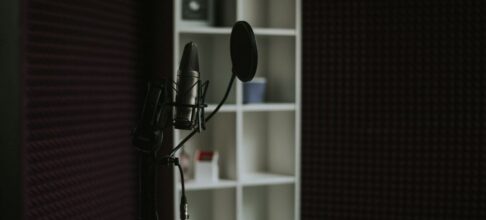
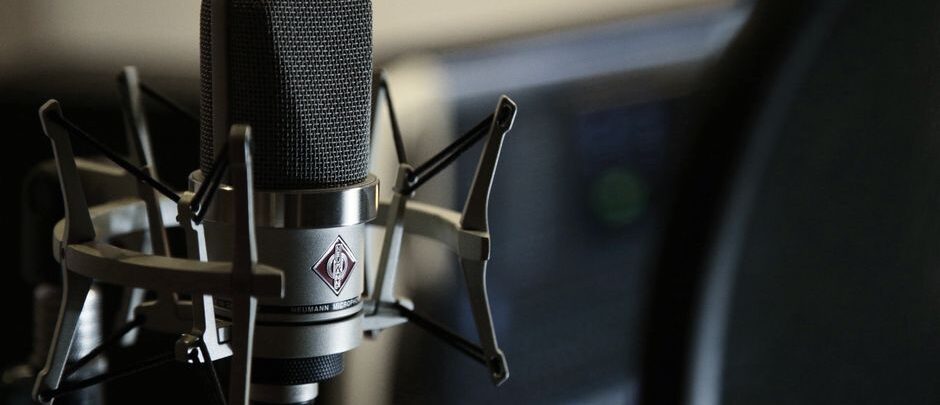
To see where things stand today, you have to walk into a studio like Soundkey in downtown Yerevan. On any given Tuesday, their engineers might be juggling ADR for an Iranian-Armenian drama while prepping explainer videos for an EU-funded NGO campaign. The technical setup feels almost standard-issue—Pro Tools rigs, Neumann mics—but the real work happens off-mic: script adaptation meetings running long as teams debate whether to preserve Russian loanwords or lean on purist vocabulary. For a streaming series recently adapted for Kinodaran (the regional Netflix-style OTT platform with roughly , active users as of late ), Soundkey’s project lead estimated nearly half the budget went toward adaptation and cultural review—not just recording.
DIY vs Pro: The YouTube Subculture
Meanwhile, there’s another reality unfolding outside formal studios: DIY creators translating pop culture clips or anime into Armenian for YouTube or Telegram channels. A quick scan shows dozens of these micro-channels cropping up since —some racking up hundreds of thousands of views per month despite zero professional mixing or QC. This unofficial sector has made certain genres—especially K-dramas and Marvel trailers—surprisingly accessible for young Armenians abroad who may feel caught between languages at home.
AI Voices? Not Quite Yet
In Germany’s busy localization hubs like Berlin or Munich, AI-powered dubbing tools (think Papercup or Respeecher) have begun eating away at turnaround times for minor language projects. Yet ask anyone in Yerevan if they’ve tried automating Armenian voice tracks—responses range from skepticism to outright laughter. One engineer at VOX Records Studio (who requested not to be named) described testing beta versions of synthetic Armenian voices last autumn; results were "stilted," “robotic,” and “could never pass muster for children’s animation.” It’s not only about technology—the phonetic quirks of Eastern vs Western variants continue to trip up most off-the-shelf models trained on bigger markets.
A Turning Point?
Still, patterns are shifting. Since —with Armenia’s digital ad market growing by approximately % annually according to local media agencies—brands from Parisian skincare lines to Turkish e-commerce startups have commissioned native-language campaigns specifically tailored for Facebook and Instagram audiences inside Armenia. These projects rarely follow Hollywood-style dubbing pipelines; instead, they rely on smaller booths (sometimes just two people), quick-turn scripts adapted overnight via WhatsApp threads between copywriters based in Gyumri and freelancers dialing in from Glendale.
What This Means Going Forward
Anyone expecting seamless integration between global platforms and niche language needs is likely to be disappointed—for now. But it would also be wrong to dismiss the momentum behind Armenian voice over entirely. Kinodaran’s recent push into original content (including two homegrown sitcoms launched spring ) has put steady work back on the table for local actors who once relied mainly on stage gigs or radio spots.
There is no clean arc here; no magic solution around cost or dialect choice; no plug-and-play automation ready for mass rollout tomorrow morning. Instead: case-by-case adaptation, blended workflows across time zones, debates over every comma—and a growing sense that being “small” can sometimes mean more creative room rather than less.