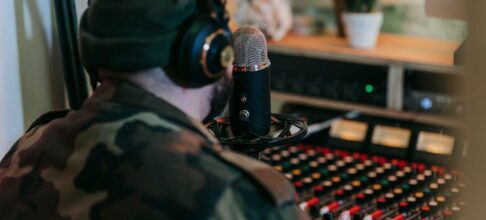
Russian voice over, as a business and an art, is a paradox. At one end, the global appetite for dubbed content—especially in streaming and gaming—has never been higher. Yet on the ground, inside studios from Moscow to Warsaw, there’s a palpable tension between what’s possible, what’s profitable, and what feels authentic.
The Illusion of Seamless Localization
Consider the workflow at Pythagoras Studio in St. Petersburg—a mid-sized localization house that took on three Netflix Original series last year. In theory, their process looks like any European peer: casting from an actor pool, multi-track session recording, post-production QA. But ask their lead producer Anna Morozova about timelines or budgets and she’ll wince.
“Clients want US-style delivery speeds,” she says. “But with new sanctions and license blocks on some DAWs [Digital Audio Workstations], we sometimes have to hack together old Pro Tools rigs with pirated plug-ins.”
This isn’t just anecdotal: by late , at least % of Russian dubbing houses reported switching software providers or reverting to offline workflows after Adobe and Avid suspended licenses for sanctioned regions. For projects targeting premium platforms like Okko or Kinopoisk HD (which aims to be Russia's Netflix), turnaround times have crept up by -% compared to .
AI Voices: Temptation or Threat?
When Yandex launched its neural voice synthesis for commercial use in early , small ad agencies in Moscow pounced immediately. Why wait days for talent when a synthetic narrator can deliver a promo spot overnight? Yet even now, large-scale productions are wary.
Look at Gaijin Entertainment—the studio behind "War Thunder." Their international releases require hyper-realistic combat chatter and emotional cutscenes. According to sound director Denis Shevchenko (speaking at DevGAMM Vilnius last September), "No AI can recreate the gritty improvisation real actors bring during live direction sessions." For high-budget games targeting both CIS countries and German/Polish markets, Gaijin still books full VO casts.
That said, for utility content—explainer videos or e-learning modules—adoption is snowballing. An informal survey among five production studios across Kaliningrad and Tbilisi suggests that nearly half of short-form B2B work is now handled through neural voices or hybrid AI-human editing chains.
Backchannel Deals & Workflow Gymnastics
Nobody likes to talk about it openly. Still: several Moscow-based studios have found creative ways around licensing restrictions since early . Some buy plug-in bundles via intermediaries in Kazakhstan; others pay freelancers in Armenia to handle remote audio cleanup before files cross back into Russia via private cloud servers.
A case from March this year: a Turkish media company contracted a Saint Petersburg team to localize children’s animation into Russian for an Istanbul streaming platform. Because Disney+ had recently expanded into Central Asia with local-language options (and stricter copyright enforcement), all final mixes were processed outside Russia before reimporting masters back home—a logistical mess stretching a six-week timeline into nine.
The Unspoken Hierarchy of Talent Pools
Big names get priority—always have. Veteran actors who voiced major Hollywood stars pre- remain sought-after (and expensive) commodities for blockbuster dubs on IVI.ru or Kinopoisk HD originals. For lower-tier content? Studios often rely on theater students or moonlighting radio hosts paid by the hour—sometimes as little as $ per finished minute according to two producers who asked not to be named.
Meanwhile, regional dialects remain underrepresented unless specifically demanded by clients based in Tatarstan or Yakutia seeking hyper-local flavor for state-sponsored features.
Cross-Border Contrasts: Europe vs Russia vs the Rest
Contrast this with Poland’s QLOC S.A., whose localization pipeline blends Warsaw-based directors with Ukrainian and Czech voice artists working remotely since 's regional upheavals. Their focus on AAA game titles means they’re less exposed to software embargoes—but more dependent on keeping cross-border payments flowing smoothly despite periodic banking disruptions.
In Berlin’s indie scene (think Klang Games), teams experimenting with Unity-integrated AI dialogue tools report cutting costs on incidental NPC lines but insist main story dialogue stays human—and that’s true whether outputting in German or Russian SKUs.
Streaming Platforms Push Back… Quietly
By summer , some international OTT services operating unofficially within Russia started clamping down on amateur dubs uploaded by fan groups—a practice tolerated during the legal limbo years post- but now facing DMCA-style takedowns if detected by automated crawlers trained on unique voice prints.
This has squeezed independent translation collectives who once filled gaps left by official channels—forcing more semi-pro talent into gray-market gigs where quality control becomes guesswork at best.
Numbers That Matter (Even If Nobody Publishes Them)
While hard data remains elusive due to industry opacity post-sanctions, several Moscow post facilities estimate that only about one-third of premium-dubbed content produced locally today actually reaches Western-owned platforms through legal agreements—the rest circulates via secondary distributors or quasi-pirate streaming hubs catering exclusively to Russian-speaking audiences worldwide.
Looking Forward: Resilience Over Revolution
If anything defines Russian voice over right now it’s neither crisis nor renaissance but relentless adaptation—with every new technology embraced as much out of necessity as opportunity. Hybrid workflows are not just common—they're survival tactics.