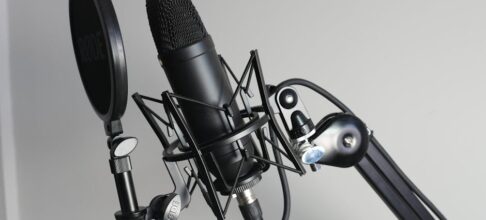
A few years ago, in a glass-walled studio just off Old Compton Street in Soho, a sound engineer muttered under his breath after the tenth American client that week had requested “just make it more British.” It was almost comical. The brief had come from a tech giant’s Berlin office for an e-learning campaign destined for Singapore. The accent wasn’t just about clarity – it was about cachet.
This is no isolated quirk. Across London’s voiceover agencies and audio post houses, demand for British accents isn’t just steady; it’s accelerating. In , London-based agency Matinee Multilingual reported their bookings for British narrators rose by nearly % year-on-year, especially on projects targeting international markets. That trend hasn’t let up. On the back end of the pandemic era, as remote production tools matured and global media platforms like Netflix and Audible deepened their UK investments (Netflix’s London HQ alone doubled its audio content staff between -), the marketplace started to feel downright feverish.
Why is this happening? It goes deeper than simple nostalgia or stereotypes about sophistication.
The Unlikely Pull of Prestige: Why Brands Bet on RP
One key driver comes straight from streaming-era brand strategy meetings—think Unilever’s creative leads in Rotterdam or Samsung’s ad teams in Seoul. They want neutral yet authoritative narration that plays well everywhere from Johannesburg to Jakarta. A common pattern: agencies request Received Pronunciation (RP) – that famous BBC-style English – because research shows it scores highest for trustworthiness in user testing across Europe and Asia.
Here’s where it gets odd: even US-based brands are asking for British voices to elevate explainer videos and product demos. At New York post-production house Sound Lounge, producers told me that by mid- they were fielding twice as many requests for UK-accented voice over compared to pre-pandemic levels. Sometimes clients ask specifically for “David Attenborough style,” shorthand for warm authority with a touch of worldliness.
Not Just London: Welsh Lilt and Northern Grit in Demand
But this isn’t all Queen’s English and bowler hats. There’s been a noticeable uptick in regional diversity within British voice casting itself. A case from last autumn at Glasgow game studio Blazing Griffin stands out: localizing their indie detective adventure for German and Japanese markets, they purposefully selected Geordie and Welsh actors for playable characters – banking on those unique tones to stand out among generic American casts flooding Steam storefronts.
In practice, this means busy weeks at studios like Chatterbox Voices (London), whose books now feature everything from Yorkshire warmth to Scottish gravitas—especially as animation companies realize younger viewers connect better with authentic regional tones than posh neutrality.
Tech Is Part of the Boom – But Not How You Think
Of course, there are other factors behind the boom—and not always what you’d expect if you’ve only read LinkedIn think pieces on AI disruption. Synthetic voices may be everywhere these days but most high-end productions still sidestep them when nuance matters.
Take Ubisoft Reflections’ Newcastle team: while experimenting with text-to-speech engines during early development phases (using Descript and Replica Studios plugins), by project milestone reviews they inevitably revert to real British talent for final character work—citing subtle timing shifts and emotional range AI still can’t convincingly fake.
What has changed? Workflow speed and flexibility thanks to remote collaboration tools like Source-Connect Pro have turned UK-based talents into truly international freelancers overnight. Agencies now routinely patch actors into sessions spanning Parisian ad agencies or Melbourne e-learning studios—with no need to leave their Brighton flats.
Numbers Don’t Lie: Scale Meets Sentiment
To understand scale, consider this: according to Voices.com internal data from late , searches specifying “British accent” have grown by around % per year since — outpacing overall platform growth rates by nearly double. Meanwhile, smaller talent rosters like Manchester-based Voice Squad report they’ve doubled their non-UK client base since Brexit—a geopolitical twist few predicted would favor cross-border media production rather than throttle it.
And industry insiders see another bump coming with Apple TV+ ramping up commissions out of its London offices—projects often requiring distinctly British flavor even when targeting North America or Asia-Pacific audiences.
Case-in-Point: A Campaign Cut Across Continents
Consider a recent campaign managed out of Sydney by ad agency Clemenger BBDO—a global insurance firm wanted continuity across Australian TV spots, YouTube pre-rolls in India, and an onboarding app aimed at Hong Kong millennials. Their solution? Cast two narrators: one classic RP male recorded remotely through Voquent (a major UK-based voiceover platform), another soft Edinburgh female tracked locally via partner studio WeSound in Melbourne.
The result? Brand lift metrics showed higher retention rates among first-time users compared both to previous US-accented campaigns and regionally localized ones—a rare case where split-testing confirmed what creative directors had long suspected about perceived reliability tied to certain accents.
Will the Bubble Burst?
Some skepticism remains among old-school engineers who remember earlier trends—the late ‘90s craze for Californian drawl or mid-2000s preference for faux-neutral “world English.” But right now, every sign points upward: more jobs posted on niche marketplaces like Gravy For The Brain; more call sheets featuring Liverpool lyricism; more anime dubs originating not only in LA but Leeds.
If anything might slow the momentum it could be oversaturation—a risk as smaller studios sometimes chase formulaic "Britishness" without considering fit or authenticity—but so far buyers seem keenly aware of these pitfalls after some embarrassing miscasts hit social media last year (see the infamous French car spot voiced inexplicably with Cockney slang).
Final Word—from the Booth Itself
“I’ve never had busier weeks,” says Priya Singh—a Manchester-based narrator whose credits include Spotify Originals podcasts and IVR systems for Dubai telecom companies. She estimates nearly two-thirds of her bookings since early are either directly requesting regional UK accents or open-ended briefs that default to her native lilt once clients hear samples live over Zoom.
So yes—the boom is real. It’s messy at times; sometimes driven by myth as much as market insight; occasionally resulting in hilariously mismatched commercials dubbed somewhere between Sussex snark and Scottish thunderclouds. But unlike so many fleeting media fads before it—the resonance seems here to stay.