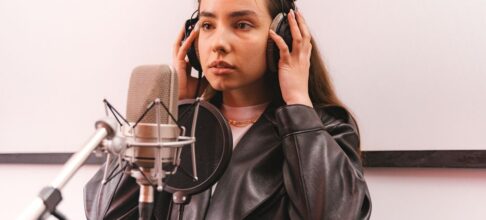
London’s Fitzrovia, early morning. The streets are nearly empty except for the occasional runner and a handful of black cabs. Tucked between Edwardian brickwork sits Soho Voices, one of the capital’s better-known studios for British voice over. At 8: AM, a producer named Amy is already troubleshooting a remote connection to an actor in Manchester—an actor who, thanks to pandemic shifts, will record his character for a Netflix original without ever stepping into the London booth.
It’s not all velvet-toned Shakespearean reads and BBC accents. A surprising number of projects now demand distinctly regional or even hybrid voices: think Yorkshire-inflected tech explainers or London-Essex mashups for mobile game ads. Studios that once relied on five regulars now manage sprawling talent pools across the UK—ranging from Scottish Gaelic specialists in Inverness to Gen Z influencers in Brighton eager to lend their TikTok flair.
A Day Inside a London Studio: Chaos vs Craft
Most outsiders envision voice work as solitary perfection—a single artist nailing lines while engineers adjust dials behind glass. In reality? It’s often closer to controlled chaos. For example, last November at Sound Disposition (a post studio known for its work on Channel 4 documentaries), I watched three actors share a cramped booth meant for one, swapping out lines for an animated series pilot with less than four hours before delivery.
What stood out wasn’t just the speed—it was the constant negotiation between producer and client on Zoom (in this case, a gaming company based in Malmö) about tone, pace, even word choice. Swedish producers would comment in real time: “Less posh! More street!” At least two retakes per line were standard; by midday they’d filled 1.2 GB of raw audio files.
From East Sussex to Sydney: Who Actually Hears These Voices?
Consider this chain: A Brighton-based ad agency lands an Australian banking client seeking that elusive “trustworthy yet modern” British inflection—nothing too formal, but definitely not Cockney either. Here comes the hard bit: what gets recorded in a UK booth is often relayed through layers of localization teams abroad.
The Sydney branch will re-edit scripts (sometimes slashing whole paragraphs deemed "too British"), then run test screenings with focus groups whose only feedback might be “sounds like Harry Potter.” As a result, finished spots sometimes bear only passing resemblance to what was laid down in East Sussex—the original voice over having been EQ’d into near-anonymity or spliced with local Aussie slang.
AI Assistants and Old School Ears: Two Worlds Collide
Realistically speaking, every mid-tier studio in England has experimented with text-to-speech tools since —some openly, others behind NDA-laden emails. Yet despite dozens of AI startups promising "perfect RP accents," directors at established houses like JustVoices still rely on veteran casting agents who keep handwritten notes about vocal quirks (“breaks on diphthongs,” “laugh reads well”).
A recent campaign for Vodafone UK involved both worlds colliding awkwardly: AI was used to pre-dub internal video drafts so marketing could sign off faster (shaving almost % off turnaround times), but final delivery reverted back to human actors after clients flagged "robotic warmth." This hybrid workflow is increasingly common among agencies handling quick-turn digital content—AI as placeholder; humans as finishers.
When Gaming Changed Everything — Especially Accents
Historically, most international game releases simply dubbed American or Japanese performances into RP English—a safe bet since around the PlayStation 2 era (circa early 2000s). But things shifted sharply with titles like Rockstar North’s "Grand Theft Auto V" (), which demanded hyper-localized voiceover reflecting everything from Liverpudlian banter to multicultural London slang.
Studios serving big publishers now staff accent coaches or even linguists who consult remotely via Teams calls. According to one project manager at Side UK (who handle AAA games and major streaming series), more than half their bookings post- require non-RP voices. Demand for Welsh and Scouse accents has risen especially fast—one recent indie title sourced twenty different dialects from across Britain for authenticity alone.
The Numbers No One Talks About
There are said to be more than registered freelance voice artists working through agencies just within greater London; industry insiders estimate perhaps double that when counting part-time newcomers brought in during lockdown-era boom years. Yet rates have fluctuated wildly—from £/hour at boutique houses up to £+ per session for high-profile brand campaigns.
Meanwhile, larger outfits like BigFish Media report steady year-on-year growth around % since —but also note increased churn as more brands opt for direct-to-talent platforms such as Voquent or Bodalgo instead of traditional studio bookings.
Final Takes — No Two Sessions Alike
British voice over is rarely predictable anymore—not if you look beyond polished TV commercials. In actual practice it means last-minute script changes dictated by timezone-distant clients; accents tweaked midway because someone halfway across Europe finds them “too BBC”; workflows toggling between AI experiments and old-school reel-to-reel purists who still cite Peter Sellers’ radio days as gospel.
So next time you hear that smooth Midlands narrator selling you insurance or stumble upon a Mancunian wizard guiding you through your new smartphone app... remember there were probably half a dozen people—and maybe even an algorithm—involved before those words reached your ears.