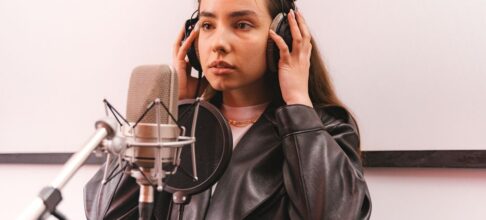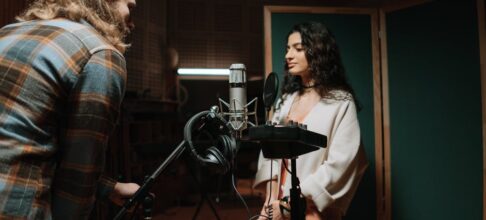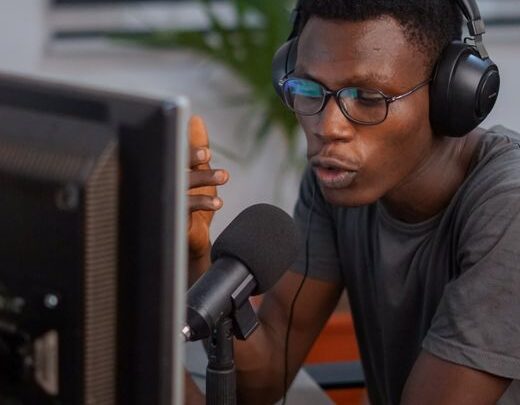
A voice echoes through a Lagos studio, crisp but colored with local cadence. "No, try it less like BBC, more like your auntie from the village," urges sound engineer Tunde Adebayo to the nervous talent in the booth. They've been at this spot for 45 minutes. The script? An explainer video for a fintech startup hoping to reach Yoruba-speaking customers who are tired of being spoken to in stilted, borrowed tones.
That small moment sums up what’s quietly transforming audio production across Africa: an insistent push for authenticity, not just translation — and nobody outside these studios seems to notice how much has changed.
Not Just Dubbing: The Subtle Revolution in African Studios
In 2016, when Netflix first expanded into Nigeria and South Africa, their localization budgets were minuscule compared to France or Germany. Most content was subtitled, occasionally dubbed with voices sounding suspiciously pan-European. But by late 2020, after local users voiced complaints about “Nollywood English” and awkward voice tracks on international series (see: early runs of Lupin), something cracked.
Studios like Lagos-based Reel Laif and South Africa’s Audio Militia began fielding requests not just for neutral English or French, but for regionally nuanced Pidgin, Yoruba, Zulu — even Tswana voice overs that sound like real people from the neighborhood markets, not radio hosts from London or Johannesburg.
"Clients finally realized that Nigerians know when it's a Kenyan voice reading Yoruba lines,” laughs Amaka Okoye, project manager at Reel Laif. "We had fintech apps losing user trust because people felt 'talked down to.' It’s no longer just about language — it’s about belonging.”
From Advertising Gimmick to Streaming Standard
The evolution wasn’t linear. In Kenyan advertising between 2018–2021, agencies still defaulted to East African English or Swahili VO delivered by a handful of well-known personalities. But as Safaricom pushed deeper into rural counties — looking for growth beyond Nairobi — they realized conversion rates on campaigns doubled when local dialects featured.
By 2022, Safaricom's agency started sourcing voices from smaller towns via platforms like Voxy Africa. One workflow involved WhatsApp casting calls and remote recording kits sent by boda-boda courier. The result? Call-to-action responses surged up to 35% higher in regions where familiar linguistic quirks were heard.
A similar story unfolded at Cape Town’s Clockwork Media during their partnership with Disney+ for the South African launch in 2022. Instead of recycling Joburg talent for all localizations (as was common five years prior), they ran street-level auditions in Soweto and Khayelitsha for Marvel animated shorts.
“Kids don’t want generic Zulu,” notes creative director Sipho Mahlangu. “They want someone who sounds like their older cousin riffing on Avengers jokes.”
More Than Language: The Politics of Voice Selection
It would be easy to reduce this shift to mere commercial logic — but there’s a cultural undercurrent rarely discussed outside industry circles.
For decades, global audio production treated African languages as an afterthought; if you got any at all, it was often by way of Europe or North America. A Ghanaian game developer I met at Gamescom 2019 recounted how her mobile app nearly flopped because her Twi narration sounded too sanitized — the result of hiring a UK-based Ghanaian actor unfamiliar with street slang or proverbs popular among Accra youth.
Only after switching to recordings sourced directly from Kumasi did daily active users improve by nearly 20%. “People messaged us saying ‘now it feels ours,’” she told me over coffee.
This isn't just nostalgia; linguists point out how accents encode social status and trustworthiness within many African communities (a reality that Western tech companies have only recently begun studying). In practice: banks see lower fraud complaints when IVR systems use distinctly regional voices rather than foreign-sounding actors.
AI Tools Promise Scale—But Can They Deliver Local Soul?
AI-powered voice cloning is rapidly entering the conversation—and complicating matters further. Companies such as Nairobi-based Kukua Labs have experimented with synthetic Swahili narrators generated using models trained on thousands of hours scraped from YouTube vlogs and TikTok skits.
While AI helped them produce kids’ edutainment content faster (cutting turnaround times by nearly half compared to traditional studio sessions), directors noticed younger audiences could instantly detect canned intonation patterns—prompting feedback like "that voice talks funny.”
In practical terms? In hybrid workflows piloted last year by Cape Town’s Sound Foundry—a studio supporting Netflix Originals—producers first deployed AI-generated scratch tracks before layering over locally sourced human performances for final delivery. According to Sound Foundry's head engineer Jabulani Mokoena: “The bots are fast but flat; our viewers crave nuance—the tiny inflections you get when someone really knows township slang.”
Budget Pressures vs Authenticity: An Ongoing Battle
Of course there are economic realities biting at every stage of this transformation. Brands operating across multiple markets—think MTN Group rolling out new data plans simultaneously in Ghana and Uganda—face ballooning localization costs if every campaign demands hyper-localized recording sessions instead of pan-regional VOs done once in Johannesburg or Accra.
One workaround observed among mid-tier ad agencies is what insiders call “accent blending”—recording primary scripts with versatile talents able to modulate their delivery between bordering dialects (e.g., a Lagos-born actor doing both Yoruba and Benin-style Pidgin). While cheaper than full-scale multi-dialect productions, focus group tests routinely find these blended tracks less convincing—dropping engagement rates by around 10–15% versus truly native speakers.
Meanwhile smaller startups often turn to platforms like Kenya’s Voices254 or Nigeria’s NaijaVOX which crowdsource quick-turnaround narrations via gig-economy models—not unlike Fiverr elsewhere—with mixed results on quality consistency but undeniable speed-to-market advantages.
The Quiet Impact on Gaming and Kids Content
It's not just film and ads seeing this shift either; gaming localization is arguably where the stakes feel most personal—and overlooked.
In Poland-based BoomBit's Africa-targeted mobile trivia games launched during mid-2023 World Cup qualifiers, developers learned quickly that standard British-accented football commentary failed miserably among young Nigerian players craving local exclamations (“Goooooal!” rendered as "Omo see goal!"). After testing pilot rounds with Ibadan-based actors delivering celebratory chants tailored for each region, session duration increased by almost one-third according to internal analytics shared with partners at an October industry roundtable in Warsaw.
Similarly in children’s animation—for example Ghana's AnimaxFYB collaborating with Cartoon Network Africa—the move toward casting truly childlike voices from Kumasi or Tamale rather than adult actors faking youthful energy has created viral hits among under-12 audiences online since early 2022. View counts routinely top two million per episode—a leap compared to previous years’ reruns dubbed generically out of Johannesburg studios.
Why Nobody Notices Until It Goes Wrong
Perhaps part of why so few outside insiders talk about these shifts is because authentic Afrikan Voice Over isn’t supposed to stand out—it should blend seamlessly into its context: invisible until it jars or feels fake. Ironically it took decades of clumsy misfires (“Why does this bank ad sound French?”) before mainstream brands began investing meaningfully here—and even now budget cycles sometimes regress under pressure from multinational HQs unfamiliar with linguistic realities south of the Sahara.
But inside those Lagos booths—where producers cajole yet another take until it lands right—the stakes are understood viscerally: Get it wrong and you lose your audience instantly; get it right…well then maybe nobody talks about it at all because suddenly everyone feels seen.