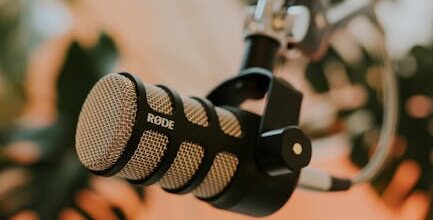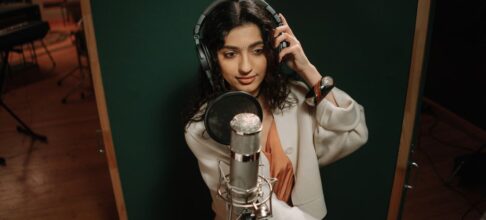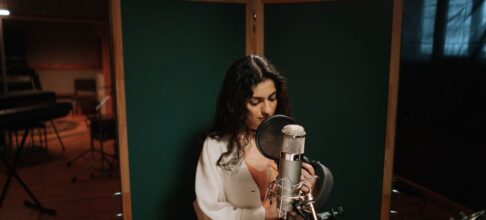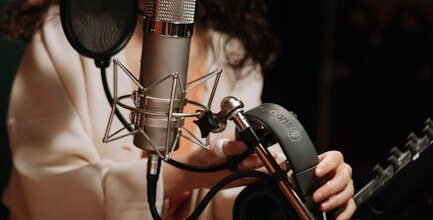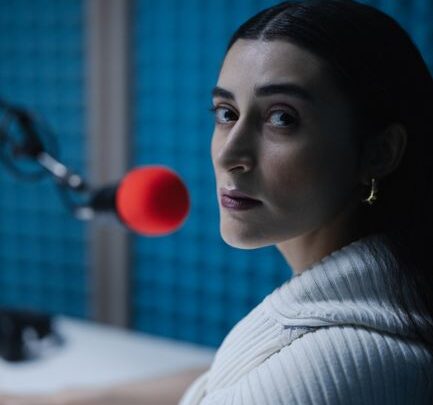
The idea that you can launch a career in Australian Voice Over from your bedroom, armed with nothing but an SM7B mic and a cracked copy of Audacity, is both myth and reality. The real tension—still largely unspoken among beginners—is not whether the barrier to entry is lower than ever, but whether the onslaught of new voices and emerging AI tools will leave any room for a human accent at all.
A Tangle of Accents and Algorithms
In , when AI-driven voice synthesis platforms like Respeecher began making headway in dubbing for games and ads, few small studios in Sydney or Melbourne paid them much mind. By , however, it’s become common to see production briefs from agencies like Clemenger BBDO specifying both “authentic Australian” reads and requests for synthetic alternates—just in case budgets run tight or clients want something instantly tweakable.
But here’s what’s striking: despite the hype around automation, beginner talent still gets booked—especially for regional ads and indie game projects where authenticity isn’t just a buzzword. According to casting managers at RMK Voices (one of Australia’s best-known voice agencies), nearly % of their commercial bookings since mid- have gone to first-time or early-career artists. These numbers haven’t cratered; they’ve actually crept up as streaming content multiplies.
From Home Studios to Netflix Originals: A Workflow Snapshot
Let’s get specific. At Big Sound Audio—a boutique studio based in Brisbane—the pipeline for an animated streaming pilot last year featured five beginner voices sourced via Voices.com. The director requested authentic Queensland intonation, which even top-shelf synthetic solutions couldn’t quite reproduce without sounding off-key. Each actor self-recorded using home setups (mostly USB mics), uploaded takes through Dropbox, then joined live direction sessions over Zoom.
The result? Not only did the project land on Stan (Australia’s answer to Netflix), but two of those rookie talents got callbacks for larger campaigns within three months. In this workflow—which echoes what I’ve seen at similar studios in Berlin and Toronto—the bottleneck wasn’t tech or talent; it was coordination between remote actors and post-production teams juggling file formats and inconsistent acoustic quality.
The Corporate Side: Insurance Ads & E-learning Sprawl
It isn’t just cartoons or indie games driving opportunity. Suncorp Group, an insurance giant with headquarters in Brisbane, has spent the last two years ramping up e-learning modules across its workforce. Voice over production is now largely decentralized: scripts are farmed out via platforms like The Voice Realm, with onboarding tutorials voiced by both seasoned pros and total newcomers.
A manager at one local production company told me their e-learning output has tripled since —not because budgets have ballooned, but because HR departments discovered that fresh voices cut through monotony more effectively than recycled corporate tones. Newcomers aren’t just tolerated; they’re sought out for relatability. Around one-third of their latest batch featured first-time voice actors who had never stepped into a physical studio before COVID hit.
Training Grounds Are Changing Shape (and Speed)
Gone are the days when breaking into Australian Voice Over meant hanging around ABC Radio corridors hoping someone would call you in to read promo copy. Now you’re likelier to find raw talent popping up through TikTok duets or Discord meetups organized by communities like Aussie VO Collective.
There is risk here—the proliferation of online courses promising six-figure incomes is already leading some hopefuls astray. But veteran coaches such as Abbe Holmes (a name well known among Melbourne voice circles) report surging demand for practical group coaching via Zoom workshops; her intro bootcamps regularly fill up within hours of posting dates.
AI Voices: Threat or Training Partner?
When Google launched its Custom Voice beta down under in late , several ad agencies started experimenting with hybrid workflows—a human pass followed by algorithmic cleanup or alternate takes generated by machine learning models trained on regional dialects.
This sounds dystopian until you realize most clients still send back synthetic reads asking for "less robotic energy" or "more larrikin flavor." In real agency campaigns observed last quarter at Think HQ (Melbourne), less than % of final airings used fully synthetic voices without human touch-ups—usually only when deadlines were brutal or budgets microscopic.
For beginners willing to embrace these tools rather than fear them, there’s upside: some studios now encourage newbies to train their own voice clones as part of demo reels—a practice unthinkable even two years ago outside major US markets.
Why Regionalism Still Matters—and Always Will?
Here lies one contradiction AI hasn’t solved: advertisers aiming squarely at rural Victoria don’t want a pan-Australian accent generated by neural networks headquartered in San Francisco. They want someone whose vowels sound unmistakably Geelong or Bendigo—not Bondi Beach generic.
In typical campaign setups across regional broadcast media houses—from Tasmania’s Southern Cross Austereo affiliates to Perth-based digital shops—the request is clear: “Real locals only.” This keeps doors open for beginners whose biggest asset is simply being themselves…or sounding exactly like someone from down the road.
Final Thoughts From Inside the Booth (and Beyond)
Maybe this future isn’t about choosing sides—AI versus human—or worrying that global platforms will drown out distinctively Australian stories. Instead it may be about pairing flexibility with grit: building home setups that pass muster even when Zoom links freeze; using new tools without losing sight of what makes an accent worth hearing twice.
For every headline warning that robots are coming for our jobs, there are half a dozen Brisbane freelancers landing repeat work voicing everything from mobile apps to museum guides—all while fielding feedback directly from directors who care less about celebrity polish than getting that elusive "just right" note only a real person can hit.