It’s hard not to notice the impatience among project managers when an Albanian version is requested for a campaign or product launch. "Why do we even need this?" one Berlin-based localization lead muttered in a group chat I recently observed. The region may be small, but its digital reach is anything but negligible—especially if you look at how streaming, gaming, and e-learning platforms are scrambling to fill this gap.
When Local Language Isn’t Optional
For years, global rollouts ignored Albania and Kosovo—until subscription analytics in showed double-digit growth in signups from these regions on platforms like Netflix and Disney+. Suddenly, English-only menus looked amateurish. It’s no longer about ticking the box; companies are pressured by their own data to localize content with authentic voice-overs.
But here’s the catch: the pool of professional Albanian voice talent remains tiny compared to Polish, Turkish or Dutch. In real workflows at agencies such as SDI Media (now Iyuno), coordinators routinely report that finding a suitable male narrator under can take weeks—sometimes forcing last-minute casting changes or delayed launches.
E-Learning: Micro-Local Wins
A telling example comes from e-learning production company LearningMate (London/Mumbai), which was tasked with creating compliance modules for a Balkan telecom giant in . After initial reluctance, they trialed AI-generated Albanian voices for internal use, only to receive negative feedback about robotic intonation from test users in Tirana. Switching back to human voice actors increased costs by nearly % per module, but course completion rates jumped from % to over % within three months—a result shared internally as justification for future projects.
Game Studios and the Problem of Authenticity
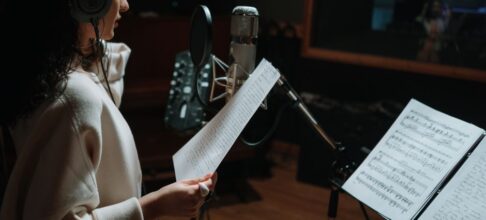
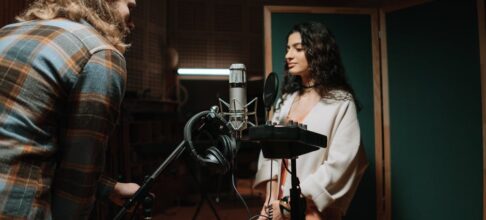
A mid-sized game developer based in Tallinn faced another dimension: community backlash. Their adventure title launched globally with text translation into Albanian but no local dubbing. Within weeks, Discord channels lit up with complaints from Kosovar players feeling like “second-tier” customers. The studio responded by contracting AudioKraft Studio (Pristina) for urgent voice-over work on core cutscenes—a workaround that forced late-night coordination across time zones but won back goodwill and boosted player retention stats by an estimated % over two quarters.
Not Just About Translation — It’s About Connection
In practical agency life—in Warsaw or Athens—the idea of “just translate it and ship it” has quietly died out. Brands investing in regional presence (think Viber or Raiffeisen Bank) now see native-language audio as a bridge to credibility among younger Albanians who grew up watching dubbed shows on Vizion Plus rather than foreign satellite channels.
One advertising director at Ogilvy Balkans described how adding localized radio spots voiced by popular Tirana-based actors doubled response rates in seasonal campaigns between and —hinting that emotional resonance still trumps cost-saving automation, at least for now.
Numbers That Matter (Even If They're Small)
While precise figures remain elusive—few studios publish breakdowns by language—it’s known among Eastern European post-production circles that Albanian voice work comprises less than 3% of total audio localization projects handled annually by international vendors like VSI Group or BTI Studios. Yet demand spiked after Covid-era spikes in remote learning and online commerce. At least five major streaming originals added full Albanian audio tracks between –—a milestone unthinkable just five years prior.
Talent Bottleneck — And Emerging Solutions?
The shortage of experienced Albanian narrators became so acute that several Munich-based agencies have started funding online workshops with industry groups in Tirana since late . Meanwhile, AI text-to-speech tools like Respeecher have improved—but most creative directors I’ve spoken with dismiss them for cultural nuance-heavy genres: children’s animation, history documentaries, interactive apps.
Still, there’s movement: one Sofia-headquartered tech startup announced plans to train custom AI models using locally sourced dialect samples after being burned by negative user reviews on their first automated launch into Kosovo last year.
Looking Beyond Numbers: Reputation Is On the Line
What gets lost in spreadsheets is what a poorly handled localization signals about a brand: carelessness, tone-deafness—or simply treating smaller markets as afterthoughts. But those markets talk back now; social media outrage travels fast from Tirana to Zurich overnight if a dubbed show sounds off-puttingly generic or misses idiomatic cues unique to Gheg- or Tosk-speaking communities.
And yet…
Many business leaders still debate whether returns justify investment—until they see direct engagement upticks following tailored voice-over efforts: higher click-through rates on regional ads; greater app store ratings; lower churn among premium subscribers who expect parity with bigger European languages.
The Unseen Impact — Loyalty Built One Voice Track at a Time
If there’s any lesson from recent years—from Pristina recording booths to London agency boardrooms—it’s this: authentic Albanian voice-over isn’t just window dressing; it shapes perception and loyalty more directly than glossy graphics ever could.