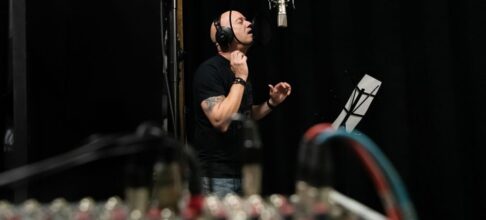
There’s a persistent myth that Hindi voice over is simply about translation and a good voice. In reality, walking into a Mumbai audio suite—or even browsing Netflix India’s content in 2024—immediately exposes you to a web of compromises, shifting standards, and an ongoing battle between tradition and technology. Nearly everyone wants their brand or series dubbed for the booming Indian audience, but almost no one agrees on how it should be done.
A Shadow Industry in Plain Sight
The Hindi voice over market is both vast and oddly invisible. By 2023, more than 60% of all top-grossing OTT titles in India offered Hindi dubs or narration tracks. Still, much of this work takes place in cramped studios with unremarkable names: Sound & Vision Studio (Andheri West), Prism Dubbing (Noida), small booths rented by ad agencies near Connaught Place. These are places where you’re just as likely to find a former radio host as a TikTok influencer trying their hand at dubbing.
The real surprise isn’t the scale—it’s the lack of standardization. Unlike Western Europe, where Berlin-based VSI Group maintains tightly calibrated workflows for German dubs across broadcast and streaming, Indian studios often invent their own process with each client. Some demand time-coded scripts weeks in advance; others improvise dialogue during the recording session itself.
Case Study: Streaming's Relentless Appetite
Take Disney+ Hotstar’s approach from late 2021 onwards—a period when they ramped up local language dubs for global originals like The Mandalorian. Schedules were ruthless: one week turnaround for episodic content wasn’t uncommon. Directors would sometimes WhatsApp revised lines to actors mid-session because last-minute script changes arrived from LA overnight.
A common workflow at Mumbai-based Purple Haze Studios involves:
- Receiving rough-cut video assets via cloud transfer by Monday morning;
- Assigning dialogue adaptation to freelancers scattered across Delhi, Jaipur, and Lucknow;
- Booking lead talent with only three days’ notice;
- Mixing final tracks while patching in remote approvals from Disney’s Burbank team at 2am IST.
- Polish studio ships English scripts via Google Drive;
- An independent director coordinates remote auditions using WhatsApp groups spanning Jaipur actors and Chennai sound engineers;
- Recordings patched together overnight before QA rounds involving both Polish producers (for timing) and local testers (for slang accuracy).
Even seasoned engineers admit that sometimes lip sync is “good enough” if deadlines loom—a far cry from the frame-perfect precision expected by French localization firms like Titrafilm.
From Bollywood Bombast to App Tutorials: The Range No One Admits To
It’s tempting to imagine that Hindi voice over means blockbusters or slick TV shows alone. But observe any mid-sized agency in Pune or Bengaluru—say, Eklavya Solutions—and you’ll see bread-and-butter jobs powering everything from mobile banking apps to government safety PSAs. In fact, app localization requests now account for roughly 30% of monthly volume at several NCR-region studios surveyed informally last year.
Here’s what goes unseen: A single bank might require its onboarding flow voiced in four dialects—Standard Hindi plus Bundeli, Awadhi, and Braj—for different Uttar Pradesh markets. Each dialect brings its own casting headache; each script must thread regional idioms without losing clarity for pan-Indian listeners.
AI Narration vs Human Nuance: Tension Mounts Since 2022
If you ask anyone who sat through a major industry roundtable at Media Expo Delhi last autumn—the tension between synthetic voices and human artists was palpable. AI-powered tools like WellSaid Labs started offering passable generic Hindi narration by late 2022. Corporate e-learning clients began requesting AI demos to cut costs on bulk projects (“just need it clear—not emotional,” one client reportedly said).
But try running these voices on high-emotion content—think animated films or celebrity-driven ads—and cracks show instantly. One producer recounted how an AI-generated sports ad failed testing because audiences found it "robotic" and off-putting compared to even a mid-tier Mumbai artist charging INR 5K per spot.
Dubbing Games: Workflow Disarray Meets Raw Demand
Gaming localization adds another layer of chaos—and opportunity. In recent months, several Poland-based mobile game publishers have started sending narrative assets directly to boutique Indian dubbing teams rather than relying solely on big BPOs like TransPerfect India. The draw? Faster turnarounds and native cultural tweaks impossible for large-scale pipelines bogged down by bureaucracy.
A typical scenario:
This kind of cross-continent workflow didn’t exist even five years ago but is increasingly common among indie studios targeting India’s vast gamer base post-pandemic.
Casting Realities: Celebrity Voices Rarely Equal Quality Dubs
There’s an awkward truth behind many high-profile campaigns—casting Bollywood stars rarely guarantees linguistic authenticity or fast delivery times. During Netflix India’s campaign for Stranger Things Season 4 (2022), the streamer tapped recognizable TV actors for promotional dubs but still sourced background voices from established Mumbai theater troupes due to tight schedules and accent consistency concerns.
These practical choices reflect what most clients already know but seldom say out loud: star power matters less than agile, reliable voice talent pools maintained by old-school coordinators who know whom to call on two days’ notice.
Historical Context: From Radio Drama Roots to Digital Explosion (1970s–Now)
It wasn’t always so improvisational—or fragmented. Back in the late 1970s through early ‘90s—the heyday of All India Radio dramas—Hindi voice performance followed rigid protocols honed over decades (script rehearsals mandatory; sound effects manual). With satellite TV’s arrival post-liberalization (circa 1995), demand boomed for quick-turnaround dubs—first for American cartoons like Tom & Jerry reruns on Doordarshan, then branching into soaps imported by Star Plus around Y2K.
By the mid-2010s—with Jio driving affordable mobile data uptake—the floodgates opened further: suddenly every YouTube creator wanted short-form explainers narrated in crisp khadi boli Hindi; every SaaS startup needed onboarding videos localized within days not weeks.
Today there are more than 400 active micro-studios across Mumbai alone specializing in short-format digital VO—a number that has doubled since pre-pandemic estimates according to insiders at MediaVoice Guild Mumbai.
Audio Quality vs Speed: A Battle That Never Ends
In European studios such as SDI Media Poland or Berlin-based Interopa Film GmbH, there remains a stubborn insistence on multi-stage QC passes—even if deadlines slip slightly—as part of legacy workflows inherited from theatrical dubbing traditions dating back decades.
Contrast this with Delhi-based commercial outfits churning out FMCG radio spots overnight; here speed trumps nuance nearly every time unless high-value brands intervene directly (Coca-Cola India famously maintains its own approved roster of narrators after multiple customer complaints about inconsistent voicing circa 2018–19).
Sound design? Sometimes added post-factum using stock libraries grabbed off Envato Elements if time runs short—which it usually does during festival season blitzes spanning Diwali to Holi each year when campaign volumes spike up to 40% above baseline averages reported by agency managers interviewed recently.
outliers & Workarounds: When Perfection Isn’t Possible
in January 2023,
a Hyderabad edtech company faced backlash after releasing an animated math explainer with painfully awkward Hindi phrasing (“angle ko ulta karen” instead of “kone ko palatien”).
the root cause traced back not just sloppy translation—but rushed production cycles where neither linguists nor directors had time allotted for proper review sessions before go-live dates tied directly to school term calendars—a problem endemic across low-margin sectors seeking fast digital reach above all else today.
persistent improvisation prevails—even among larger players—in contrast with older All India Radio-era mantras prioritizing rehearsal over immediacy at almost any cost prior to the broadband revolution era circa early-to-mid-2000s.