Let’s start with a contradiction I’ve seen firsthand: when international media giants like Ubisoft or Netflix announce new content in Dutch, outsiders assume there’s a seamless pipeline—a well-oiled machine translating, recording, and launching all at once. In reality? The path from script to screen is full of detours, personality clashes, and regional choices that would surprise even seasoned insiders.
The Unseen Scramble for Native Talent
-------------------------------------------------
In 2019, I shadowed a mid-sized localization agency in Amsterdam handling game trailers for European release. The phone never stopped buzzing. Producers juggled last-minute casting calls because—despite the Netherlands’ strong multilingual tradition—finding Dutch voice actors who could "sound global" (but not too Americanized) was harder than expected.
No database or AI tool solves this overnight. Even major platforms like Voicebooking.com or Bodalgo offer hundreds of profiles, but top-tier projects still require old-fashioned auditions. One project manager told me bluntly: “You can’t automate chemistry.”
Where the Script Gets Stuck
--------------------------------------
A common speed bump appears early: translation isn’t enough. For a streaming series destined for Ziggo GO (the main Dutch VOD), scripts pass through three hands—translator, cultural adapter, then dialogue coach—to nail idioms and match emotional beats.
I watched as a single joke in an animated show stumped three professionals for half an hour; one option sounded too Flemish (Belgian viewers might laugh), another too formal for Rotterdam teens. Eventually they settled on something only locals from Utrecht would truly get—and yes, it stayed in the final cut.
Recording Days: More Than Just Microphones
------------------------------------------------------------------
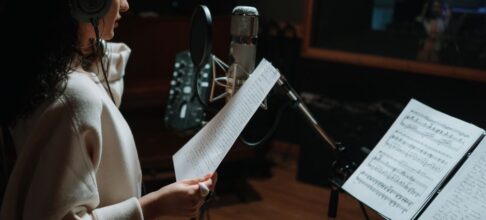
The actual recording day resembles controlled chaos. In most Dutch studios—take Audioproducties.nl near Haarlem—the booth is compact but meticulously arranged. Scripts are printed with colored highlights for pauses and emphasis; engineers tweak levels while directors hover over monitors showing lip movements.
A typical session runs four hours per actor. It’s rarely linear: actors repeat lines dozens of times to sync perfectly with animation mouth flaps or dramatic timing from English originals. If you ever saw an actor groan after their tenth take of “Nou zeg!” you know why tempers can run high after lunch breaks.
AI Voices: Promise Meets Pushback
-----------------------------------------------
By late 2022, several Dutch advertising agencies started experimenting with ElevenLabs’ multilingual TTS engine to create sample ads at scale. Results were mixed—the algorithm nailed pronunciation but sometimes missed subtle intonation shifts critical to humor or sarcasm in Dutch.
One Rotterdam-based e-learning firm reported cost savings up to 30% by using synthetic voices for onboarding modules—but reverted back to human talent when feedback flagged robotic delivery as uninspiring. In broadcast TV spots and audiobooks, real actors remain dominant (over 85% market share by industry estimates).
Casting Across Borders: Flemish vs. Standard Dutch Dilemma
--------------------------------------------------------------------
Here’s another quirk rarely discussed outside production circles: Belgium’s Flemish market has its own expectations. While both countries technically speak "Dutch," major brands like KPN (Netherlands) and Proximus (Belgium) insist on separate voiceovers tailored to each audience.
In practice this means double sessions—and twice the quality control headaches—as Brussels-based linguists debate whether "gij" sounds friendlier than "jij." It adds budgetary overheads often underestimated by clients new to BeNeLux campaigns.
From Indie Games to AAA Blockbusters: Scaling Up Step-by-Step
----------------------------------------------------------------------
Smaller indie studios in Utrecht or Groningen typically contract freelance voice directors piecemeal via agencies like VoiceCowboys.nl—a workflow much leaner than what happens at multinational publishers’ Amsterdam hubs where teams book multi-day blocks at dedicated facilities (such as Sound Circus).
For large-scale projects releasing across Xbox Game Pass or PlayStation Europe since around 2017, it’s become standard practice to coordinate simultaneous recordings in up to six languages—including Dutch—to hit tight embargo dates and maximize launch impact across EU markets.
Quality Assurance Isn’t Optional Anymore
--------------------------------------------------------
Localization managers I spoke with at MediaMonks in Hilversum described how every line is reviewed by bilingual QA testers before release—often flagged for retakes if phrasing feels awkward or misses brand tone-of-voice guidelines set by HQs abroad (think Disney+).
Typical error rates hover around 5–7% per session; anything above that triggers additional coaching sessions or even recasting—a costly lesson learned by several post-pandemic productions rushing schedules in 2021–22.
Pricing Realities & Marketplace Pressures
---------------------------------------------------
Rates vary widely depending on context—a radio ad may fetch €200 per spot while long-form narration climbs into four figures per finished hour. Agencies report significant pricing pressure since remote workflows became mainstream during COVID lockdowns; online-only shops undercut traditional studios by up to 40%, though established players argue quality suffers without directorial oversight on-site.
It’s not just about money either—talent availability spikes seasonally around April/May when commercial campaigns ramp ahead of summer holidays, leading some brands to pre-book favorite voices months out just as they do studio time slots before Christmas retail pushes.
Tight Deadlines Meet Local Snafus
--------------------------------------------
Last year I observed a pan-European campaign coordinated between Berlin and Amsterdam that nearly derailed due to local school holidays overlapping with key cast members’ schedules—a reminder that no matter how digital the process becomes, human realities intrude at every step.
Unscripted Authenticity Over Automation
---------------------------------------------------
Despite rising use of automated tools for draft reads or internal training materials (especially among SaaS startups in Eindhoven), client-facing work almost always circles back to live direction and nuanced performance tweaks driven by native intuition rather than code-based guesses.