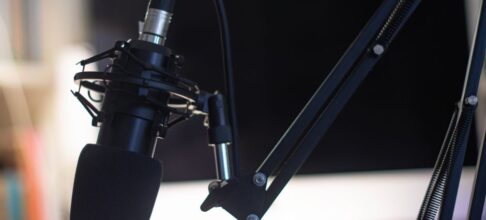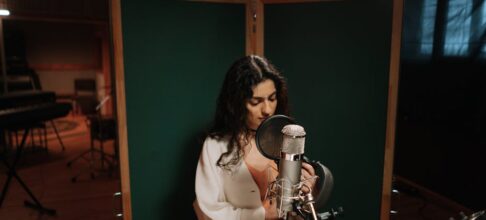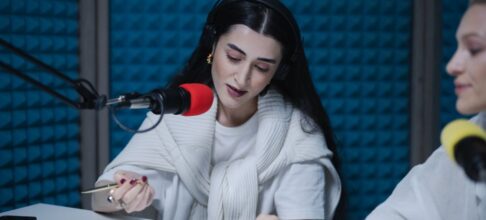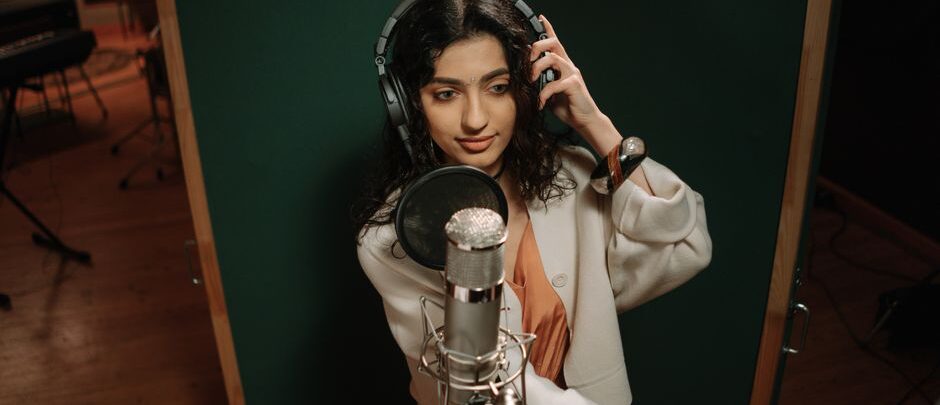
A studio in Tbilisi. Early morning, the air heavy with humidity from the Kura River, a single voice actor rehearses lines that will be heard by tens of thousands of Georgians in a Netflix original crime drama. There’s no director in the booth — only a laptop running Audacity, an old microphone, and a reference video streaming on a spotty Wi-Fi connection. This is not the glamorous international world of LA dubbing or Tokyo anime. Yet what happens here tells you everything about how Georgian voice over has traveled — sometimes stumbled — from Soviet-era utility to today’s precarious, ambitious localization battleground.
When Dubbing Meant Survival
Ask anyone over 40 in Georgia and they’ll mention watching Russian-dubbed movies on state television through the 1980s and early ’90s. The familiar monotone voice-overs were never more than half-synced — often one male narrator intoning every character’s dialogue. Local voices were rare: budgets (and political censors) made it almost impossible for unique Georgian-language tracks to exist outside children’s programming or educational TV.
The first glimmers of change appeared after independence in 1991. Rustavi 2, Georgia’s brash private channel launched in 1994, began experimenting with full-cast Georgian dubbing for blockbuster imports like "Home Alone" and Turkish soap operas. It wasn’t polished: many actors doubled roles; scripts were rushed translations, sometimes missing crucial cultural context. But these efforts marked a tectonic shift: audiences could finally hear their own language at scale on-screen.
A Microcosm: Studio Monitori's Leap into Streaming
By mid-2010s, things had changed again. As foreign streaming giants eyed Eastern Europe as an emerging market (Netflix entered Georgia officially in 2016), local studios faced pressure to meet international standards overnight — lip-sync accuracy, emotional nuance, tight deadlines.
Take Studio Monitori, a mid-sized localization house based near Freedom Square in Tbilisi. In 2018 they landed their first major contract with Amazon Prime Video for a ten-episode drama series set partially in Istanbul but targeted at pan-Caucasian audiences. Their workflow was anything but seamless:
- Scripts arrived already translated into Russian; Monitori's team had to retranslate them into idiomatic Georgian, often consulting playwrights for authenticity.
- Five regular voice talents rotated across dozens of characters per episode due to budget limits.
- For post-production they used Reaper DAW paired with Izotope RX noise reduction plugins—tools far cheaper than ProTools suites found in Berlin or London studios.
- Turnaround times were brutal: episodes needed delivery within four days after receiving final video cuts.
- Translations done remotely (often by linguists moonlighting from academia)
- Audio recording handled inside repurposed offices using mid-tier condenser mics (Rode NT1 is popular)
- Editing via open-source tools like Audacity plus light mastering for broadcast loudness compliance (usually -23 LUFS)
- Rapid file transfer via Google Drive or WeTransfer because robust cloud pipelines are still years away for many small studios
- Last-minute pickups coordinated via WhatsApp messages at odd hours — even weekends aren’t sacred anymore when Netflix deadlines loom
- All sessions took place via Zoom using basic USB microphones mailed out beforehand; engineers later spent dozens of hours cleaning up artifacts introduced by household background noise.
- Despite hiccups, ratings data showed that viewership among primary school-age children in western Georgia jumped by nearly 20% during the month-long run compared to subtitled versions aired earlier that year.
- International clients want premium results but pay regional rates;
- Local directors push creative boundaries within tight timeframes;
- Global tech promises automation but risks erasing fledgling artistic communities if adopted too quickly;
- Audience tastes evolve—urban teens crave naturalistic performances while older viewers remain attached to half-sung narrator styles reminiscent of ‘80s Soviet TV traditions;
Despite these constraints, audience surveys commissioned by Amazon estimated that nearly 60% of viewers preferred Monitori's dubbed version over the Russian original — especially among younger city dwellers who grew up post-independence.
Soundscapes on Shoestring Budgets
In practice, most Georgian VO projects still operate on shoestring budgets compared to Western Europe or North America. One producer at Bakuriani Media confessed that per-minute rates hover around €3–€5 (roughly one-tenth of rates paid by Polish or German partners). Yet expectations have soared as local broadcasters chase the streaming boom: Discovery+ rolled out seven shows dubbed entirely by freelance teams spread between Kutaisi and Batumi in under six weeks last year alone.
A typical modern workflow involves:
The AI Question Arrives Early — and Uneasily
There’s tension now between tradition and automation creeping into even this fragile ecosystem. Several Tbilisi-based teams have begun experimenting with Descript’s synthetic voice cloning and ElevenLabs’ multi-lingual speech generation tools since late 2022 for temp tracks and background characters.
But full AI replacement? Not yet mainstream here — not just because of technical hurdles but fears about quality loss and job security among established artists who remember how hard-won their niche has been post-Soviet collapse.
One director at GEO-Loc Studio described an attempt to use Respeecher for minor character lines during pandemic lockdowns: “It worked technically,” he said, “but we lost all rhythm matching... there was something missing emotionally.”
Still, some see promise: game developers like StepGames (creators of hit mobile puzzler Kartuli Legends) already blend human narration with algorithmic voice effects for non-narrative elements such as hints or menu prompts.
Case Study: Cartoon Network’s Experiment in Kutaisi
Cartoon Network Central & Eastern Europe piloted its first all-Georgian audio track in early 2021 with "Craig of the Creek." Lacking access to seasoned child actors due to Covid restrictions, WarnerMedia partnered with SoundBridge Kutaisi—a tiny outfit previously focused on radio ads—to recruit kids remotely via Facebook auditions.
This experiment has sparked interest from other children’s content producers exploring hybrid remote/in-studio workflows adapted specifically for smaller Caucasus markets where talent pools are thin but demand is growing fast enough not to ignore localized tracks any longer.
Training Grounds Remain Patchy – But New Voices Are Emerging
Unlike Poland or Hungary where university-level courses specialize in dubbing arts (Łódź Film School comes to mind), formal training programs remain rare here even now. Most working Georgian voice actors started out as theater professionals before picking up skills informally through trial-and-error gigs arranged via word-of-mouth or closed Facebook groups like "Georgian VO Professionals" which now boasts more than 500 active members across Tbilisi, Batumi, and Zugdidi.
Some studios have started offering monthly workshops covering everything from cold reading techniques to basic audio engineering—still modest steps compared to what’s available elsewhere but essential given surging demand post-pandemic as platforms scramble for fresh content libraries localized into minority languages like Georgian alongside Armenian or Azerbaijani dubs delivered from neighboring Yerevan-based studios operating similar lean setups.
Where Next? Contradictions Pile Up
So where does this leave things? There are contradictions everywhere:
and everyone scrambles when Netflix drops two seasons’ worth of content needing full-cast dubbing before summer festival season starts up again along Rustaveli Avenue...
Yet somehow it all holds together—fragile but adaptive—in part because necessity breeds resourcefulness here more than anywhere else I’ve seen localization work attempted under pressure outside Western European hubs like Paris or Munich.
While most industry insiders say true parity with France or Germany is still years off (“maybe never,” one jaded mixer told me), there’s no denying something uniquely vibrant about hearing Gori-accented dialogue breathe new life into American sitcoms—or watching young kids giggle at cartoon heroes voiced not just competently but lovingly by neighbors down the street making do with what little they have and dreaming bigger every cycle round.