There’s a strange kind of invisibility that follows the Bosnian language in global media. It’s not rare to see major streaming platforms—think Netflix or Amazon Prime—offering subtitles in Portuguese, Korean, or even Icelandic, while Balkan languages are conspicuously absent from their language menus. Yet, behind the scenes, localization managers from Berlin to Sydney quietly admit that their biggest headaches often come from small but vocal markets like Bosnia and Herzegovina.
Let’s cut through the polite industry talk: When it comes to voice over work for Bosnian content, most agencies only wake up when there’s a client request with an urgent deadline. Still, if you look closer at actual production pipelines in places like Vienna or Zagreb, you’ll notice something surprising: demand for authentic Bosnian voice talent is rising faster than many expected—a pattern reminiscent of Polish localization ten years ago.
The Balkan Paradox: Small Market, Big Noise
It’s easy to dismiss Bosnia and Herzegovina as a minor player compared to Germany or Turkey. After all, with just over 3 million people and decades of linguistic overlap with Croatian and Serbian, why bother investing in dedicated Bosnian voice over?
But here’s where reality intrudes on textbook logic. Local audiences notice even subtle dialect mismatches. During the 2019 rollout of an educational app by an Austrian EdTech startup (Edulingo), feedback poured in from Sarajevo parents who complained about “Croatianized” children’s narration. Within two months, usage rates dropped by about 18%, forcing Edulingo to re-record key modules using native Bosnian actors sourced via regional studio BlueDot Sound.
The lesson? In certain sectors—kids’ content, audio learning tools, gaming—Bosnian-specific voicing isn’t a luxury; it can make or break user engagement.
Production Reality Check: Not Just Plug-and-Play
A senior project manager at Belgrade-based Translatica Media described their typical workflow for mid-budget campaigns targeting Bosnia: “We used to rely on Serbian voice artists with slight modifications. That changed after one campaign for a German insurance brand flopped locally—viewers said it sounded ‘off’.”
Now, Translatica runs separate casting calls for Bosnian projects—even if only 7–10% of their annual jobs require it. This means higher per-minute costs (about 20% more than generic Serbian/Croatian tracks) and longer turnaround times due to limited available talent.
European game studios face similar issues; Warsaw-based Pixel Rabbit reported that their mobile puzzle title saw higher retention rates among young users after switching from generic Serbo-Croatian narration to regionally accurate Bosnian delivery in late 2022.
Tech Isn’t Always Your Friend Here
AI-driven voice synthesis has revolutionized dubbing workflows for many European languages since around 2020. Providers like Respeecher offer rapid turnaround for French or Spanish voices—but ask them about high-quality synthetic Bosnian output and you’ll get uneasy smiles.
A handful of AI startups have experimented with neural TTS models for South Slavic languages but consistently hit roadblocks with pronunciation quirks unique to Bosnian (for example, vowel lengthening patterns). As recently as early 2023, London-based SpeechGen admitted that their beta-stage model produced “unnatural intonation” on simple e-learning scripts intended for Bosnian schools.
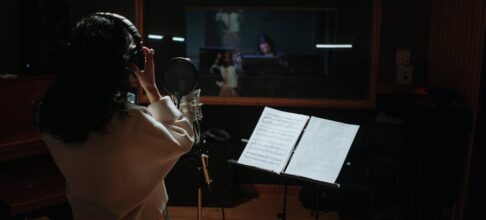
So if you’re envisioning slick AI-powered localization at scale—at least for now—you’ll find yourself circling back to live actors in Sarajevo recording booths.
Case Study: A Streaming Platform That Finally Got It Right
One of the most telling examples comes from Pickbox NOW—a regional streaming platform operating across ex-Yugoslav countries since mid-2010s. For years they delivered pan-Balkan dubs bundled together as “Serbo-Croatian,” assuming viewers wouldn’t mind minor dialectal drift.
By mid-2021 internal analytics showed that shows dubbed specifically into Bosnian attracted significantly more engagement time among users logging in from Tuzla and Banja Luka compared to those offered only generic tracks—a difference of roughly 23% longer average session duration per episode according to Pickbox technical leads interviewed later that year.
This prompted Pickbox NOW to set up direct partnerships with Sarajevo-based studios such as Studio Cheliax; within six months they had quadrupled their catalog of authentically dubbed titles aimed at Bosnia & Herzegovina subscribers.
Why Brands Are Quietly Shifting Budgets Eastward
Marketing budgets are rarely allocated based on sentiment—they chase ROI wherever possible. Yet it’s become increasingly common for Western brands entering Southeast Europe (insurance giants like Allianz or FMCG players such as Nestlé) to specify native Bosnian voicing during radio spot production phases managed by local agencies in Ljubljana or Belgrade.
In one campaign observed during Q3 2022, Nestlé worked with Ljubljana's VoxBox agency expressly because their roster included two seasoned Bosnian male narrators—the result was a radio jingle campaign that outperformed prior attempts by nearly doubling call-to-action response rates compared to earlier spots voiced generically.
This may seem niche—but repeat this pattern across dozens of micro-campaigns each quarter and you begin seeing why procurement teams are quietly expanding lists of approved vendors who can deliver real-deal Bosnian reads on short notice.
The Freelancer Dilemma—and Opportunity?
For independent voice artists based in cities like Mostar or Banja Luka, this market shift presents both opportunity and instability. On one hand, pay rates have gradually crept upward—BlueDot Sound reports typical freelance rates rose by around 12% between late 2019 and late 2023 as buyers became pickier about accent authenticity.
On the other hand? Demand remains irregular outside peak campaign seasons and ongoing series work is still elusive unless tied directly to major ad agency contracts or government-backed educational initiatives (a trend confirmed via recent conversations with freelancers active on platforms like Voices.com).
Yet unlike ultra-saturated English-language freelance pools where race-to-the-bottom pricing dominates large portals, top-tier native speakers working out of Sarajevo often find themselves fielding direct requests from clients as far afield as Denmark or Canada who want “that particular sound.”
Looking Backwards To See Forward: Lessons From Polish Localization Circa Early 2010s
If you want clues about where this all goes next, cast your mind back about twelve years—to when Polish suddenly moved from afterthought status into must-have territory for mobile apps and video game releases across Central Europe.
Studios like CD Projekt RED famously invested heavily in native Polish VO during Witcher-era productions circa early-mid 2010s—not because they expected massive domestic revenue but because they knew cultural resonance paid long-term dividends abroad too. Today Poland boasts some of Europe’s best-developed localization ecosystems—with parallel opportunities just beginning to emerge further south along the Drina river basin if companies take the plunge soon enough.