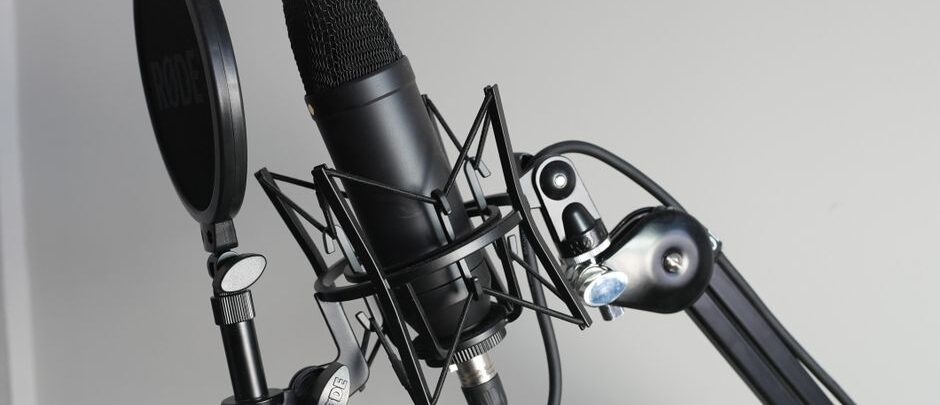
The first thing you notice in a Yerevan post-production suite isn’t the equipment. It’s the mix of anticipation and skepticism. Voice over, especially in Armenian, sits at a peculiar intersection—never quite center stage, but always somewhere in the wings, waiting for its cue to break out.
When Streaming Platforms Knocked
Netflix’s 2016 expansion into 130 new countries was a seismic event for localization everywhere, but it sent particularly odd ripples through Armenia. For years, most Armenian voice work was confined to TV ads or dubbed Turkish soap operas airing on local channels like Shant TV. Suddenly, global streamers were asking whether their prestige dramas would play with Armenian narration—or if that was even possible.
In practice? By late 2018, Netflix had quietly started piloting Armenian subtitle tracks for select series (think “Stranger Things,” not “The Crown”), while Disney+ and Amazon Prime still hadn’t put Armenia on their dubbing roadmaps at all. For most Western productions, full voice over simply wasn’t viable: too little market data, too few experienced studios ready to scale.
Studios That Decided To Jump Anyway
Yet ambition is stubborn. Take SoundLab Studio on Moskovyan Street—a modest operation that spent years producing local commercials and radio jingles. In early 2021, they began fielding requests from Berlin-based game publishers keen to test localized voice packs for mobile games targeting diaspora communities. Their workflow was anything but streamlined: a single booth, a rotating roster of part-time actors (some moonlighting as TV hosts), and sessions scheduled around electricity outages.
Their first major game gig? Voicing characters for a German educational app teaching basic coding logic—Armenian version included alongside Ukrainian and Georgian. According to SoundLab’s project manager, Narek Sargsyan, "We recorded more than 1,100 lines over two weeks with just three voice talents." The result? Not flawless by any stretch—but feedback from pilot users in Los Angeles’ Little Armenia neighborhood convinced the publisher to keep going.
AI Voices Meet Armenian Realities
AI-generated voice is no longer science fiction—even if it’s not quite Oscar-worthy yet. By mid-2023, several international platforms like Respeecher and ElevenLabs began offering support (albeit beta) for lesser-used languages including Armenian Eastern dialects.
But here’s what you won’t see in press releases: training these models requires more than scraping newsreader audio off YouTube archives. In practice, European localization agencies experimenting with neural voices report mixed results—pronunciation errors become glaring when handling idioms or historic references unique to Armenia. One Polish studio working with an e-learning provider described spending nearly as much time editing synthesized speech as recording live actors.
Still—the price point is irresistible for some clients: cutting costs by up to 60% compared to traditional studio work has led several smaller podcast producers across France and Belgium to run A/B tests between human and AI Armenian narrators throughout 2023–24.
Dubbing Dilemmas: Animation vs Documentary
A curious pattern emerges if you peek behind the workflows at media companies like PanArmenian Media Group (headquartered in Yerevan). For imported cartoons aimed at children—think remastered classics from Japan or Russia—full-cast dubbing remains standard procedure; parents simply expect recognizable local voices.
For documentaries or adult drama imports? Narration-only tracks are common instead of lip-synced dubs—a hybrid style reminiscent of old Soviet-era translations where one narrator provides all roles and context. According to industry insiders at PanArmenian: "It’s both budget-driven and cultural—it keeps viewers aware that this is someone else’s story.”
Diaspora Demand—and Missed Opportunities?
Here’s where things get even messier. The largest potential audience for high-quality Armenian voice content isn’t necessarily inside Armenia itself—it’s spread across communities from Glendale to Marseille.
Case in point: an LA-based creative agency recently tried launching a kids’ audiobook series with authentic Yerevan talent through Audible’s global platform in late 2022. They quickly ran into logistical friction—Audible didn’t list Western Armenian as a supported language variant; metadata tools defaulted everything back to generic “Other.”
Despite technical hurdles (and zero promotional budget), downloads topped 5,000 within three months—a respectable showing given the niche target group. But without institutional backing from larger distribution platforms or standardized language codes in cataloguing systems… growth hit a ceiling fast.
Training Ground Shortages
One persistent issue facing anyone attempting large-scale projects: there simply aren’t enough seasoned Armenian-speaking voice talents who can deliver consistent quality across genres—from ad reads to audiobooks or video games.
Unlike cities such as Warsaw (where university acting programs regularly feed localization studios), formal training pipelines are rare in Yerevan or Tbilisi. Instead, casting directors often rely on personal networks built through radio stations or small theater troupes—a system prone to bottlenecks once demand spikes above routine commercial output levels.
This shortage became painfully evident during the pandemic boom of remote learning content production in 2020–21; several NGOs tried pushing out hundreds of hours of curriculum videos only to discover that reliable narrators were booked solid weeks ahead—or lacked home recording setups altogether.
Money Talks—But Not Always Loud Enough
Budgets remain tight even as expectations rise. While mid-tier dubbing jobs inside Eastern Europe might pay €50–€100 per finished hour (according to estimates shared by Budapest-based Dubwise Studios), equivalent rates within Armenia often hover closer to €25 per hour due largely to limited local advertising spend and currency fluctuations since 2019.
Some regional agencies have responded by bundling translation + adaptation + voicing services into fixed-fee packages targeting diaspora businesses abroad—a workaround that brings projects over the finish line but rarely leaves room for artistic risk-taking or new talent development.
The WhatsApp Casting Call Phenomenon
If you’ve worked on small-to-medium size productions anywhere between Batumi and Baku lately, you’ve probably seen it firsthand: last-minute casting calls blasted via WhatsApp groups rather than handled by agents or centralized databases—an improvisational approach born out of necessity rather than preference.
In one instance recounted by an Istanbul-based podcast producer collaborating on an Armenian-language history series during lockdowns: “We had two days before launch…and ended up finding our narrator through her cousin's friend—a dentist who happened to do amateur theater on weekends!”
Such stories highlight both resilience and fragility—a system capable of miracles under pressure but ill-equipped for scalable growth or predictable outcomes when bigger opportunities arrive.
What Next? Looking Beyond Borders—and Algorithms
While machine-assisted workflows will likely capture more commodity narration jobs over the next five years—as evidenced by recent adoption rates among French audiobook aggregators seeking multilingual content—the real battleground will be premium scripted material requiring emotional nuance tailored specifically for Armenian ears (and hearts).
International platforms eyeing further expansion into minoritized languages may eventually help normalize standards—but only if they invest beyond technology itself: supporting grassroots talent incubators; integrating proper metadata fields; making it easier (not harder) for far-flung creatives from Gyumri to Glendale alike to collaborate virtually without bureaucratic dead ends at every turn.
Every so often someone asks whether there’ll ever be an ‘Armenian equivalent’ of Poland’s massive SDI Media hub or Germany’s Beta Film dubbing empire—a pipeline churning out global-grade work recognized far outside its borders. Maybe not tomorrow…but then again,
the next great leap rarely begins with consensus anyway.