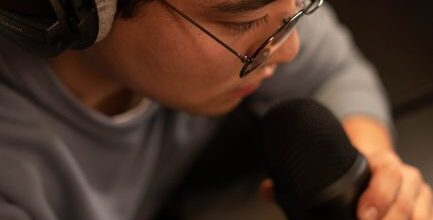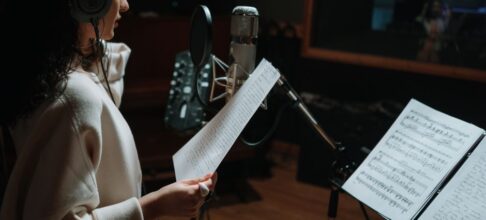
There is a tension behind the microphone that few outside the industry notice. In one studio in Burbank, California, a graying engineer cues up a session for a videogame publisher based in Japan. The talent—an American voice actor known for both cartoon villains and bank commercials—glances at their script: four pages, 120 lines, each word calculated to fit precisely into an English-dubbed release destined for global streaming platforms. Every syllable matters because every syllable sells.
"American" as a Brand: Dollars in Diction
The idea that a voice can move markets isn’t new. But what often goes unexamined is how the American accent—and by extension, American voice over—operates as its own economic force multiplier.
In the late 1990s, Disney’s localization division noticed something strange: international audiences responded better to trailers with neutral North American narration than those using local voices with heavy regional inflections. By the mid-2000s, Netflix and DreamWorks Animation were routinely commissioning LA-based studios like Atlas Oceanic Sound & Picture and Bang Zoom! Entertainment to produce globally distributed dubs, even when releasing content outside the US.
A familiar cadence or tone (think Morgan Freeman or Don LaFontaine) isn’t just comfort food for domestic audiences—it’s part of why campaign budgets ballooned for worldwide launches. It’s not uncommon for multinational brands to allocate upwards of 20% of their audiovisual marketing spend on securing recognizable American voice talent when rolling out in Europe or South America.
Case Study: Game Localization from Tokyo to Texas
Consider this: Sega of America’s Sonic Team routinely books US-based voice actors to record English versions before any other language—even though early sales data from 2014–2018 suggested European and Asian territories make up nearly half of Sonic game revenue. Why? According to staffers familiar with workflow at PCB Productions (a well-known LA audio studio), international partners prefer starting with “standard” American English tracks so all subsequent localizations can be built from what they see as the universal reference point.
It’s not just creative preference—it streamlines pipeline efficiency. French and Polish dubbing teams report fewer sync issues when matching lip flaps or timing if they’re working from an American master rather than British or Australian English.
The Studio Economy Behind Every Slogan You Hear
Behind every Super Bowl ad or Nike spot narrated by an assertive but friendly male voice, there’s an entire ecosystem of writers, engineers, directors, and booking agents. In Los Angeles alone—the city remains the capital for commercial VO—over 1,500 union and non-union voice talents cycle through agencies like CESD Talent Agency and SBV every month.
A single national radio campaign can keep four post-production houses busy for weeks; sessions spill into evenings as clients demand alternate takes (“brighter,” “less Midwestern,” “more aspirational”). When Ford launched its F-150 Lightning campaign in 2022, they reportedly spent over $300K solely on VO casting and recording across multiple regional dialects—including three versions deemed "American General" accent—before settling on a final cut meant to project rugged reliability coast-to-coast.
Multiply that by hundreds of campaigns per year across automotive, insurance, tech startups—and you begin to understand why SAG-AFTRA regularly negotiates rates fiercely on behalf of performers whose voices are more widely recognized than their faces ever will be.
Streaming Platforms Fueling New Demand Patterns
Since 2017, platforms like Hulu, HBO Max (now Max), and Disney+ have accelerated spending on original content requiring fast-turnaround dubbing into North American English—not only for imported anime but also live-action European series expected to break into US markets. A localization manager at Iyuno-SDI Group described recent workflows where delivery windows shrunk from eight weeks down to just ten days per episode due to binge-release schedules demanded by streamers.
For smaller studios in places like Vancouver or Miami, this pressure has fostered new micro-economies: remote-recording booths installed overnight during COVID-19 enabled dozens of laid-off stage actors to pivot successfully into home-based VO work. According to data shared by Voices.com in late 2022, nearly one-third of paid jobs posted were specifically seeking "neutral" American accents—a figure up almost 15% since pre-pandemic years.
AI Voices vs Human Performance: Disruption or Enhancement?
The arrival of high-fidelity synthetic voices hasn’t broken the market yet—but it’s changed conversations about scale and authenticity. In real advertising scenarios observed among German ad agencies last year (notably Jung von Matt), AI-generated American-style narrations are occasionally tested alongside human reads for web-only promotional spots where budgets don’t justify full casting calls. Still, most brands revert back to human talent when emotional resonance is paramount—a trend confirmed by U.S.-based agency execs who’ve seen audience response scores dip slightly on machine-voiced ads versus those read by seasoned pros.
Nevertheless, some U.S.-headquartered e-learning companies have embraced AI voices wholesale for internal training content distributed globally—with estimated production savings hovering around 30–40%. Yet even these firms acknowledge limitations: legal disclaimers often mandate that safety instructions must use certified human performers due to liability concerns rooted in subtle mispronunciation risks.
A Microcosm: Local Studios Abroad Betting on Authenticity
In Poland's growing gaming sector—CD Projekt Red being the best known example—the choice between sourcing authentic U.S.-based vocal talent versus relying on local freelancers with practiced "American-sounding" delivery has become surprisingly consequential. For major titles like Cyberpunk 2077 (released late 2020), dialogue recorded at Side UK (London) was frequently paired with remote direction from LA-based consultants ensuring idiomatic accuracy down to slang usage—a practice that added weeks but arguably contributed tangibly to international reviews praising its immersive feel.
Meanwhile in Australia’s commercial market—where Sydney-based agencies such as Loud&Clear handle regional campaigns—there’s a rising trend toward hybrid approaches: importing raw reads from North America then having local engineers tweak intonation slightly so scripts land better with antipodean sensibilities while still signaling "global" credibility through core accent choices.
Quantifying Impact Beyond Hollywood Borders
By some realistic industry estimates circulated among localization networks (including TransPerfect and Keywords Studios), direct spending tied specifically to North American-accented voice over services now surpasses $500M annually worldwide—and that doesn’t count related outlays on translation coordination or technical support staff required downstream.
But perhaps more significant is the multiplier effect. Every time Ubisoft Montreal ships a AAA title voiced first-and-foremost by West Coast actors—or Spotify commissions branded podcast narration targeting U.S.-centric demographics—it ripples outward via royalties paid into guilds’ pension funds; tax receipts collected from cross-border production deals; freelance sound editors hired remotely across six time zones; recording hardware purchased locally after sudden surges in demand brought about by global crises like COVID lockdowns—which saw professional condenser microphones sell out online in under two weeks during March 2020 according to B&H Photo Video sales figures shared internally at NYC agencies.
The Invisible Hand...with a Microphone
So what do you really need to know? That your favorite cereal jingle—or next-gen video game cutscene—might owe its punch not simply to writing or animation style but because somewhere along the line someone decided only an unmistakably “American” tone would do…even if it means flying a freelancer into Manhattan for just three hours’ work before sending them back westward via LAX red-eye flight.