A Hungarian phrase, uttered with perfect clarity, reverberates across a Netflix binge-watch session in Berlin. The voice is crisp—maybe too crisp. If you listen closely, it’s not just language that’s being replaced; it’s an entire cultural subtext. In 2018, when Netflix expanded their Eastern European localization strategy, Budapest studios suddenly found themselves at the center of a new content arms race. Yet the world rarely sees what happens behind that studio glass. Hungarian voice over isn’t simply about translating scripts and finding someone with a deep enough baritone.
Where Dubbing Meets Identity
There’s always an argument in Hungary about how much should be lost—or gained—when international stories cross the Danube. In practice, this means every production walks a tightrope between literal translation and authentic resonance. Take SDI Media (acquired by Iyuno-SDI), which has run dubbing operations from Budapest since the early 2000s for Disney Channel and Sony Pictures Television. Their workflow is rigorous to the point of obsession: native linguists review context line-by-line while directors hunt for actors whose voices match not just timbre but implied background.
A Tuesday at Majestic Sound Studios
Step into Majestic Sound Studios near Nyugati Station on any given Tuesday (pre-pandemic or now) and you’ll find three booths running in parallel. One is working on an animated feature for Cartoon Network EMEA; another is localizing e-learning modules for a German automotive client; a third tackles game dialogue for Ubisoft’s latest Assassin’s Creed expansion. The typical workflow:
- Original script arrives (often English or German)
- Localization team adapts dialogues—not word-for-word, but intent-for-intent
- Casting director shortlists five potential voices per major character
- Test recordings are reviewed by both local creative leads and remote brand supervisors (sometimes sitting in Lyon or Los Angeles via Source Connect)
- Final recording session happens with director, actor, linguist, engineer—all present, all giving notes
- Audio post mixes sync perfectly to picture or gameplay timing
- One with standard Central Hungarian accent actors (“Budapesti”)
- Another with subtle Transylvanian dialect inflections
This process can stretch anywhere from two days (for TV commercials) up to five weeks for a 90-minute film adaptation.
How AI Tools Are Nudging In
The arrival of AI tools like Descript and Respeecher has not gone unnoticed in Budapest or Szeged studios. But there’s skepticism—especially after 2021 saw several mid-budget ad agencies attempt synthetic voiceovers only to revert back to human talent due to awkward intonation mismatches (“a robot cannot do pörkölt justice,” as one veteran mixer quipped). Yet hybrid approaches are taking root: smaller projects frequently use automated time-stretching to fit Hungarian syllables into fixed-length foreign ad spots—a necessity since Hungarian often runs longer than English by roughly 15–20% per sentence.
Case File: HBO Europe’s ‘Aranyélet’ Promotion Campaign
When HBO Europe was gearing up for its third season of ‘Aranyélet’ in 2017, they needed teasers dubbed for pan-Balkan audiences—including Hungarian-language versions tailored for both Budapest and ethnic Hungarian viewers in Romania’s Transylvania region. They partnered with Studio Beatstars in Debrecen, where engineers ran two parallel sessions:
Both versions went through focus group screenings—data showed nearly 70% preference among regional viewers when hearing familiar dialect cues versus generic Hungarian voice work.
In practice? That meant re-recording four main characters' lines using different actors—a budgetary hit but one that paid off in regional engagement spikes tracked via HBO Go analytics post-launch.
The Unseen Details: Lip Sync vs Narration Dilemma
Unlike Polish voice over—where lektor narration remains king—Hungarian productions overwhelmingly prefer full dubbing (szinkronizálás). This brings its own headaches: directors must match mouth movements frame by frame even when idiomatic phrases double in length compared to English originals.
A pattern seen in real campaigns: children’s content from UK-based Cake Entertainment often requires substantial re-adaptation because “yes!” becomes “igen!”—but “no way!” turns into “dehogyis!” stretching far past the animated lips.
Studios have developed shortcuts: some use custom Pro Tools macros that automatically flag dialogue overruns; others pre-edit scripts before casting even begins.
Talent Pool Realities—and Shortages No One Talks About
Despite Budapest being home to Hungary's largest pool of trained voice actors—estimated at around 300 active professionals as of early 2023—the demand routinely outpaces supply during peak periods (autumn streaming launches). Smaller cities like Szeged or Pécs rely on freelancers who shuttle between theatre gigs and quick-turnaround commercial VO spots recorded remotely using Source Connect Now or Cleanfeed links set up from living rooms outfitted with thick duvets as makeshift sound baffles.
A veteran producer from Kirowski Isobar recalls autumns where “every recognizable male talent under fifty was booked solid doing either beer ads or AAA game trailers.”
Diversity lags behind Western European standards: female-led casts remain rare outside children’s animation or beauty product campaigns.
Price Points—and Why They Matter More Than Ever
While global platforms like Amazon Prime Video push for simultaneous multi-language launches across CEE markets, budgets have not kept pace with volume increases since 2020. Industry insiders suggest per-minute rates dropped by nearly 10–15% between late 2019 and mid-2022 despite workloads doubling—a tension acutely felt among Hungary's mid-sized post-production houses.
To stay competitive, outfits like Studio Biksady have adopted agile micro-teams who handle project management, linguistic QA, and basic audio engineering without traditional departmental silos—a shift more common now than even five years ago.
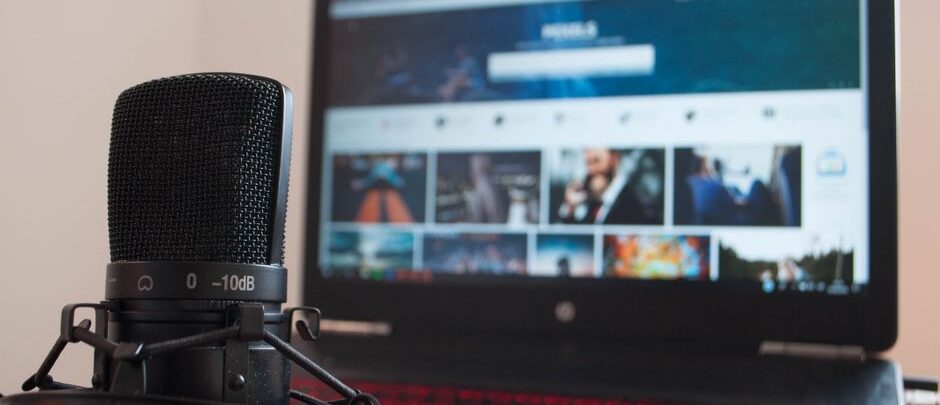
Some studios quietly supplement income by offering remote workshops teaching aspiring talents how to self-record broadcast-quality samples using little more than Audacity and a USB condenser mic bought online from Vienna retailers.
When International Brands Get It Wrong (And Sometimes Right)
Take Coca-Cola Hungary's ill-fated summer campaign of 2016: fast turnaround demands led them to outsource VO production overseas—results returned flat-sounding reads failing regional tone checks. Social media backlash forced a rapid re-record back home within four days. Lessons learned prompted stricter local review protocols still followed today across FMCG brands targeting Magyar consumers.
Contrast this with Riot Games' approach for League of Legends expansions: they maintain dedicated Hungarian teams at their Warsaw localization hub who regularly fly actors and directors between Poland and Hungary during crunch cycles—a model that has visibly improved gamer satisfaction scores according to community forums tracking updates since late 2021.
Looking Back Before Stepping Forward – A Nod To History
Hungarian voice over culture carries echoes of the state-run szinkron stúdiók era—the golden age spanning from the late '60s through early '90s when nearly all imported films were dubbed centrally under strict quality controls near Moszkva tér (now Széll Kálmán tér). While privatization brought greater variety—and plenty more chaos—it also seeded today’s fiercely competitive landscape where boutique studios jostle alongside global giants like VSI Group.
Fast forward thirty years: you’ll still find seasoned pros reminiscing about legendary sessions spent voicing classics like "Dallas" while fielding urgent WhatsApp pings scheduling tomorrow's Netflix drop-in record date.
The Subtle Power Of Repetition And Reinvention
Here’s what decades inside these soundproof booths show: there are no shortcuts if you want your story told—and heard—with soul intact. Every step matters:
painstaking adaptation,
culturally attuned casting,
surgical technical execution,
and yes—a willingness to scrap everything if it doesn’t ring true locally (even if it means blowing past deadlines).
It may look high-tech now—AI tools humming alongside vintage Neumann microphones—but underneath beats an old rhythm familiar from those smoky government-run studio days:
don’t just translate words;
live them until they belong here too.