The first time I watched a YouTube explainer with a voice-over that sounded suspiciously like Morgan Freeman—except, obviously, it wasn’t—I laughed. Then I cringed. That uncanny valley between recognizable warmth and synthetic mimicry is the new battleground in American voice-over. Creators, brands, and studios are caught somewhere between tradition and relentless automation, and—make no mistake—the ground keeps moving.
When "American" Meant A Particular Drawl
Go back to the late 1980s: every promo spot on U.S. network TV seemed to channel that deep, neutral-yet-friendly “network announcer” sound. If you tuned into NBC or CBS prime-time trailers, you’d likely hear Don LaFontaine (“In a world...”) or one of his peers setting the standard for what "American Voice Over" meant: authority mixed with subtle assurance.
By the early 2000s, major agencies like Atlas Talent in New York dominated commercial bookings for national campaigns—think Ford truck ads or blockbuster trailers—with a tight roster of trained professionals. Bookings were usually managed via ISDN connections from dedicated studios in LA or NYC. For most creators outside this system, access was limited by union rules (SAG-AFTRA), geography, and sheer cost.
Disruption From the Bottom Up: The YouTube Effect
That started to slip around 2010 when digital-first platforms like YouTube and Vimeo led an explosion in indie content. Suddenly, creators didn’t need million-dollar budgets—or even a studio—to get their message out. Platforms such as Voices.com (founded 2005) and later Bunny Studio made it possible for anyone with a half-decent microphone to audition for work worldwide.
One case in point: Austin-based animation house Rooster Teeth moved away from traditional studio hires starting in the mid-2010s, casting internal staffers or remote freelancers through online marketplaces to voice web series like RWBY. By 2018, over half their episodic production involved non-union talent recording remotely—a sea change from old-school workflows where everything happened at Mark Graue Studios in Burbank.
Workflow Realities: From Pro Studios To Bedroom Booths
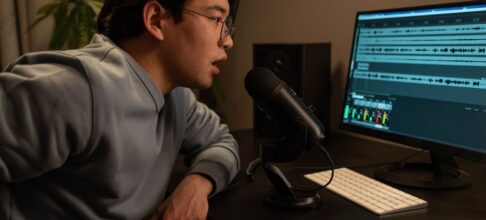
In real content pipelines today, especially among mid-sized creative agencies in places like Portland or Atlanta, the typical process isn’t glamorous. Producers send scripts by email; freelance voice actors record from improvised home booths padded with moving blankets; files are delivered over Google Drive; directors give notes via Zoom sessions squeezed between other gigs.
A recent example comes from podcast agency Pacific Content (with offices spanning Vancouver and New York). Their branded shows for companies like Dell now source voices both locally and remotely—sometimes blending regional accents deliberately to reach wider audiences. Turnaround times have shrunk: what used to take two weeks at a dedicated studio can now be done in less than three days if all parties are flexible about quality versus speed.
Enter AI: The Synthetic Dilemma
But here’s where things get twitchy. By 2022–2023, AI-driven tools like Descript’s Overdub and ElevenLabs began offering “American” voices indistinguishable from human narration—for pennies on the dollar compared to real talent fees (which still average $300–$1500 per job on Voice123).
Some European localization teams have been blunt about why they choose synthetic voices for rapid adaptation projects: “If we need twenty languages overnight for an app launch,” says one Berlin-based producer I spoke to last year, “we’re not waiting on voice actors’ schedules.”
Still, backlash abounds: several U.S.-based audiobook narrators publicly criticized Spotify’s push into AI-narrated audiobooks in late 2023 (see reactions after their pilot program announcement). Listeners complained of robotic pacing and emotional flatness—a far cry from the nuanced performances that seasoned pros deliver.
Authenticity Wars—and Regional Color Returns?
There’s another twist in this tug-of-war between efficiency and artistry: many streaming-era creators crave specificity over generic polish. TikTok influencers often seek out authentic regionalisms—from Appalachian twangs to Chicagoan vowels—to connect more genuinely with fans. In fact, data from Voices.com suggests requests for distinctly non-neutral American accents have jumped nearly 20% since 2021 among short-form video commissions.
Take Netflix’s localization workflow as an example: while big-budget dubs still go through established LA studios (like VSI Los Angeles), mid-tier reality shows sometimes experiment by hiring native speakers from targeted U.S regions via remote platforms—especially when aiming at hyper-localized releases on Netflix US versus Canada.
One Polish Studio's Perspective On Global English Narration
Here’s something often overlooked outside North America: Polish game developer CD Projekt Red routinely commissions American-accented VO for global releases but rarely books direct L.A.-based actors anymore unless star power is required (as with Keanu Reeves). Instead, since Cyberpunk 2077’s release cycle in 2020–21 they’ve sourced much of their "neutral American" narration through UK-based agencies specializing in transatlantic voices that can pass as either US or international English—saving budget while hedging against cross-border licensing headaches.
This shift mirrors practices seen elsewhere—in Australian ad production hubs like Melbourne, where ad agencies increasingly tap freelance talent across continents using Source-Connect sessions rather than local booths exclusively.
Growth Without Glamour – And Its Price Tag
What does all this mean? Ironically, while there are more opportunities than ever before—by some estimates nearly double the number of paid VO jobs posted online now versus just five years ago—the gig economy has also driven rates downward except at the very top end of celebrity narration. Median project pay reported by freelancers on Fiverr hovers around $50–$100 per completed minute as of late 2023; only high-profile campaigns reliably hit four figures per session anymore.
Small indie game studios in Montreal report similar trends: once reliant on expensive post-houses for English dialogue tracks (at $500+ per hour), they now juggle multiple low-cost freelancers via Upwork—even mixing real and AI-generated lines within single scenes just to meet budget constraints without sacrificing delivery deadlines.
The Next Chapter? Blurred Lines and Persistent Tensions
No one expects legacy studio workflows—or those golden-throated Hollywood pros—to disappear overnight. But it’s naïve to believe we’re returning to any stable status quo either. The definition of "American Voice Over" will keep splintering along lines of technology adoption, audience expectation (authenticity vs gloss), platform-specific standards—and simply who can get the job done fastest within shrinking budgets.
A final note from a regular client at Seattle-based agency Mekanism sticks with me: “Sometimes our best results come when we ignore categories altogether—just find someone who sounds right for *this* story.”