Old School Meets New Money: How Streaming Changed the Stakes
Back in the early 2000s, voice over work for Bulgarian TV was predictable: national commercials, a few dubbed telenovelas, maybe an animated series if you were lucky. By 2015, with Netflix entering Central and Eastern Europe and HBO Go ramping up local catalogs, global streamers forced every studio to rethink their workflow.
Take Doli Media Studio in Sofia—a name that crops up regularly in credits for Disney+ and Amazon Prime localizations. Five years ago, their bread-and-butter was commercial radio spots and children’s programming. Now, upwards of 60% of their projects are multi-episode series dubs for streaming platforms. According to one project manager there (who prefers not to be named), “The turnaround times have halved since 2018, but client demands doubled.”
It means more pressure on casting directors, who scramble nightly through agency rosters and Facebook groups to find talent with both acting chops and home setups that pass muster for broadcast audio standards.
Not Just About the Accent Anymore: The Rise of Remote Talent Pools
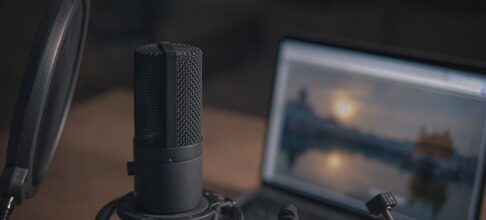
One odd side effect of pandemic-era workflows: suddenly your lead actor might be based out of Plovdiv or even Berlin. Studios like VoxBox.bg now run remote sessions as standard; at least 30% of Doli’s recent projects used talent recording from home booths scattered across Bulgaria and occasionally abroad.
But it’s not seamless. One producer complained about spending three hours aligning lines from five actors recorded in three cities—"each with a different brand of USB mic.” A typical session requires two backup cloud links (usually Source Connect or Cleanfeed), real-time monitoring by a sound engineer logged in from yet another location, plus a WhatsApp group chat running full throttle.
AI Voices: Useful Tool or Existential Threat?
The conversation around synthetic voices is no longer hypothetical. At least two Sofia post-production agencies (names withheld by request) now offer clients AI-based narration options—primarily for explainer videos or e-learning modules where emotion is less critical.
For example: one recent campaign for an Austrian fintech startup localized into Bulgarian used ElevenLabs-generated voice tracks for all internal training videos. The price difference? Human talent would’ve cost roughly €1200 per finished hour; the AI solution came in at less than €250/h including editing passes.
Yet few drama producers trust AI voices for anything beyond scratch tracks or placeholder reads. As one localization coordinator at VSI Bulgaria puts it: "Even the best deepfake voice can't handle angry teenage sarcasm—or make grandma sound like she means it." Industry rumor has it that some ad agencies still slip synthetic reads into pitch decks without disclosure.
Gaming Localization: Where Speed Trumps Perfection
Video game dubbing follows its own rules—and its own race against deadlines. In 2023 alone, several mid-sized gaming studios in Warsaw and Bucharest began routing Bulgarian character VO through hybrid pipelines combining human actors with AI-assisted cleanup tools like Descript or Respeecher.
A case in point: when indie developer Snapshot Games (with offices in Sofia) prepared DLC content for Phoenix Point last year, they ran auditions on Discord with both local pros and expats living in London or Prague. Final dialogue tracks involved manual clean-up of low-res home recordings using RX Advanced noise reduction—a process that took twice as long as pre-pandemic studio sessions but kept costs manageable when publisher budgets plateaued post-2022.
Commercial Campaigns: Brand Consistency Goes Transnational
Multinational brands—think Lidl Bulgaria or Telenor—now demand unified campaigns across Balkan markets. That means tightly coordinated VO casting so the same signature voice carries through TVCs airing from Varna to Skopje to Belgrade.
Agencies often book top-tier Bulgarian narrators months ahead if they’re part of regional rollouts managed by international holding companies such as Publicis Groupe or Ogilvy Sofia. Miss your slot? The next available window could be six weeks out—a serious risk if your campaign launch hinges on synchronized Balkan-wide release dates.
Pay Rates, Pseudonyms & Side Hustles: Surviving as Talent Now
Ask any seasoned voice actor working out of Plovdiv or Ruse what keeps them afloat this year—they’ll mention moonlighting as audiobook readers (for German publishers via sites like Audible.de), hosting YouTube explainers under English-sounding pseudonyms (“clients think we’re British!”), or even picking up ADR gigs for Turkish drama imports dubbed into Bulgarian during late-night marathon sessions at boutique studios like Studio Pro Audio BG near NDK Square.
Some estimate freelance VO rates have dropped by as much as 20% since pre-pandemic highs—not because demand fell off but due to increased competition from remote newbies armed with $100 USB mics bought during lockdown surges on OLX.bg.
Casting Reality Check: More Diversity… But Only On Paper?
You’ll hear plenty about "fresh voices" and "regional authenticity," especially after campaigns like Nova Broadcasting Group's push for dialect-rich promos targeting rural audiences last year—which reportedly lifted engagement metrics by nearly 12%. But skeptics note that most national TV ads still go back to familiar names who’ve built trust over decades working with established agencies such as SoundVision BG or BTV Media Group’s internal teams.
In practice? For every new dialect spot aired during prime time, five more use tried-and-true narrators whose style hasn’t shifted much since 2010.
Workflow Headaches No One Likes To Admit
Tight deadlines breed mistakes—even among veterans. One recurring scenario seen at several Sofia production houses involves receiving final scripts late Friday night (“client insists on Sunday delivery”), rushing patchwork pickups remotely Saturday morning while praying everyone’s internet holds up—and then battling last-minute directorial tweaks via Telegram hours before upload.
Technical issues multiply when mixing together files sourced from different DAWs (Logic X vs Pro Tools vs Audacity). Mismatched noise floors haunt many advertising campaigns long after airdate; only careful mastering saves face at deadline crunches—the kind handled quietly by engineers who rarely get credit outside industry circles.