1. Overview of American Voice Over Today
A. Current Market Landscape
The voice-over industry in America today is robust, fueled by demand across multiple sectors including:
- Advertising and Commercials: Brands seek authentic voices for TV, radio, and digital ads.
- Animation and Video Games: Expanding content requires diverse and dynamic voice talent.
- Audiobooks and E-learning: Educational materials and entertainment are booming.
- Corporate Narration: Businesses use voice-overs for training and presentations.
- Diverse Talent Pools: Voices range from seasoned professionals to newcomers, representing various ethnicities and accents.
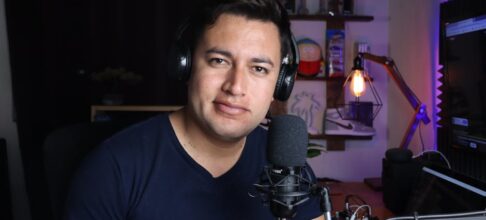
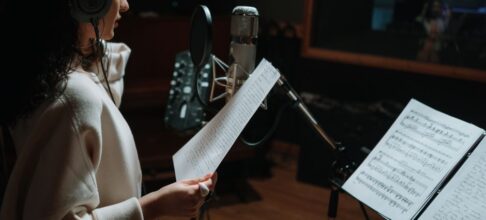
- Home Studios: Many voice actors record from personal studios, offering flexibility and reducing production costs.
- Specializations: Talents often specialize in niches such as character animation, commercial, or narration.
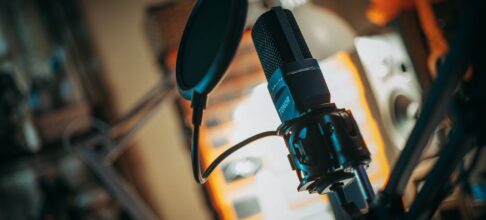
- Professional-grade microphones and soundproof booths.
- Digital Audio Workstations (DAWs) like Pro Tools and Audacity.
- Remote recording sessions facilitated by platforms like Source-Connect.
- Hybrid Models: AI-generated voices will complement rather than replace human voices. Voice actors might work alongside AI to enhance performances.
- Personalized AI Voices: Voice talents could license their voices for AI use, creating new revenue streams.
- Technologies will allow voice actors to modify tone, pitch, and style instantly.
- This will increase efficiency and flexibility in producing multiple character voices or accents.
- Voice-over work will expand into immersive experiences, including VR/AR games and virtual assistants.
- Voice talents will need to adapt to interactive and responsive dialogue systems.
- Improved real-time, high-fidelity remote recording will become standard.
- Voice actors will collaborate with directors and clients globally without studio visits.
- Laws governing AI voice cloning and licensing will shape the industry.
- Voice actors must be proactive in protecting their intellectual property.
- Technical Proficiency: Mastery of recording technology and AI voice tools.
- Adaptability: Comfort with new formats like interactive media.
- Branding and Marketing: Establishing a unique voice and personal brand online.
- Continuous Learning: Staying updated with industry trends and legal developments.
According to industry reports, the U.S. voice-over market continues to grow steadily, with freelance platforms and agencies connecting talent to clients worldwide.
B. Voice Talent Profiles
Today's American voice-over landscape features:
C. Technology in Use Today
---
2. Challenges Faced by American Voice Over Artists Today
A. Increasing Competition
The democratization of voice-over work via online platforms has led to a saturated market, requiring talents to develop unique selling points.
B. Price Pressure
Global competition and automated voice technologies have driven down rates in some segments.
C. Technological Disruption
The rise of AI-generated voices has sparked concerns over the future of human voice talent.
---
3. Step-by-Step Forecast: American Voice Over Tomorrow
Step 1: Integration of AI and Human Voice Collaboration
Step 2: Advanced Voice Modulation and Synthesis
Step 3: Expanded Virtual and Augmented Reality Applications
Step 4: Enhanced Remote Collaboration Tools
Step 5: Ethical and Legal Frameworks
---
4. Skills to Develop for Future Voice Talents
---
5. Conclusion: Navigating the American Voice Over Industry from Today to Tomorrow
The American voice-over industry today is vibrant but competitive, relying heavily on human talent supported by current technology. Tomorrow’s landscape promises greater integration of artificial intelligence, expanded multimedia applications, and new ethical considerations. Voice actors who embrace technological change, protect their rights, and hone diverse skills will thrive in this dynamic environment. As the industry evolves, one thing remains constant: the demand for authentic, engaging voices that connect with audiences.
---
6. Frequently Asked Questions (FAQs)
Q1: Will AI replace human voice actors?
A1: AI will augment voice acting but is unlikely to fully replace human emotion and nuance in the near future.
Q2: How can voice actors protect their voices from AI misuse?
A2: Through proper licensing agreements and staying informed about emerging legal protections.
Q3: What are the hottest niches in American voice-over today?
A3: Audiobooks, e-learning, video games, and digital commercials.
Q4: How important is a home studio setup?
A4: Extremely important, as remote work and quick turnarounds demand professional-quality recordings.
---
Stay ahead in the American voice-over industry by embracing change and continuously developing your craft!