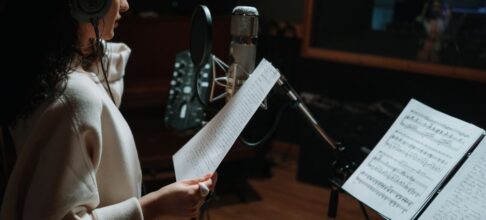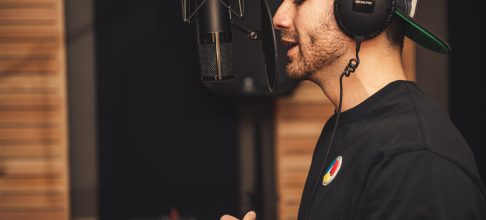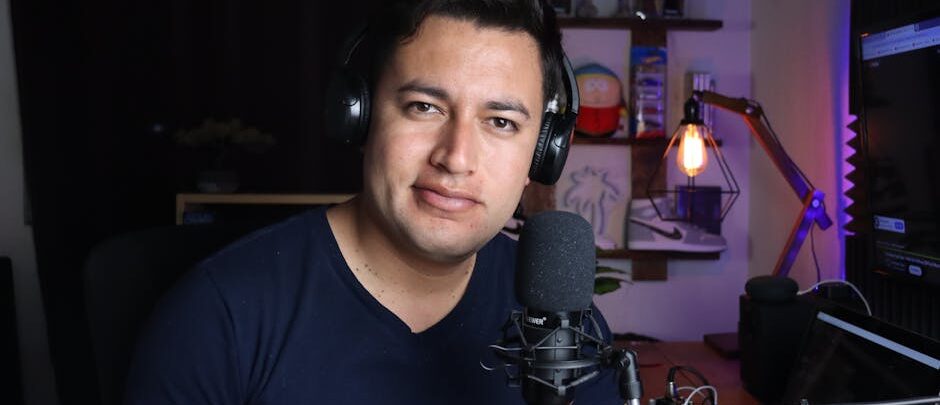
In a gray Tbilisi studio, late autumn , an engineer is piecing together an audio track for a Turkish drama about forbidden love. The client is a regional streaming aggregator—think the Caucasus equivalent of VOD giants, but with more erratic payment schedules and subtler taste. The lead voice actor arrives: he’s also just come from dubbing a German travel documentary at another studio across town. This double-booking isn’t rare; it’s standard practice. If you want to understand the current contours of Georgia’s voice over industry, start here—with overlaps, improvisations, and mid-market realities rather than textbook workflows or polish.
A Market Built on Loops and Leaps
Georgian Voice Over as an industry category didn’t exist in clear terms before the early 2000s. In Soviet times, Tbilisi TV imported Russian-dubbed films—no local adaptation needed beyond news segments or puppet shows. Only after did demand spike, as Turkish series swept across every major Georgian channel. By , studios like POSTRED (a real post-production house in Tbilisi) were fielding requests from platforms that would later evolve into Silknet TV and MagtiSat. These clients wanted something more than subtitles—they wanted full localization.
But scale was always a contradiction: budgets rarely matched Western standards (an hour of voice recording can cost one-third less than in Warsaw or Prague), while deadlines compressed around distributors’ unpredictable schedules. Veteran sound designer Giorgi Chavchanidze recalls a period between – when “we’d have four projects on the table every week—three Turkish soaps and one random French reality show.”
Where the Workflow Stutters—and Sometimes Sings
A typical project goes like this: scripts arrive late Friday from an Istanbul-based agent representing ATV Turkey; casting happens Saturday morning via group chat; actors record lines in marathon sessions that afternoon while translators sit behind glass correcting live—sometimes pausing so Google Translate can bridge gaps in idiom or slang.
In practice, there are no grand ADR suites or automated AI alignment tools common in larger European markets. Studios rely on Pro Tools rigs patched together with borrowed plugins (Waves licenses circulate like urban legends). Even so, talented engineers manage quick turnarounds— hours for a two-episode batch isn’t unusual.
Sometimes technology intrudes: during the pandemic peak in , several Tbilisi teams experimented with remote recording using Source-Connect Now—a workaround borrowed from Polish game localization studios already adept at distributed VO work since mid-2010s CD Projekt Red expansions.
Who Gets Heard? The Same Ten Voices…
There’s a running joke among young Georgians watching dubbed content: “Every hero sounds like my uncle.” It isn’t far off; roughly twelve regular performers dominate most commercial voice over work for television. This is partly economics—pay-per-session means studios minimize cast size—but also inertia. When Netflix quietly entered the Georgian market in late with limited localized titles (notably the children’s series “Larva Island”), they contracted two local agencies who drew from this familiar pool.
In fact, for kids’ animation on Imedi TV, it’s not rare to hear one actress voicing three main characters plus background roles—all in consecutive takes without much direction beyond “make her sound surprised now.”
Case File: Games Versus Serials
It’s tempting to think all voice work follows broadcast drama rhythms—but gaming has its own quirks here too. In late , Estonian indie outfit ZA/UM (developers of "Disco Elysium") sought out Georgian localization partners for DLC narration targeting regional audiences. A small Batumi-based studio took up the challenge but faced unfamiliar hurdles: interactive dialogue trees require not only narrative context but non-linear emotional shifts—a sharp contrast to straightforward script blocks used for daytime soaps.
The workflow shifted as well; instead of bulk marathon sessions typical for serials, actors recorded short bursts interspersed with live Zoom feedback from Tallinn producers—a method rarely seen before by local teams used to traditional telenovela pipelines.
Negotiating Rates and Respectability
Most projects still operate at rates lagging behind Western Europe by anywhere from –%. There’s little unionization—the closest thing might be informal WhatsApp groups where actors warn each other about slow-paying clients or share quick-fix tricks (like how to reduce plosives on ancient Shure SM58s).
One exception emerged after a high-profile campaign by ad agency Windfor’s (Tbilisi) for TBC Bank in early : their branding push included lavish multi-platform spots requiring both classic narration and experimental whisper tracks layered over street recordings. For this campaign, VO fees doubled overnight compared to standard broadcast gigs—setting a brief precedent quickly eroded once budgets normalized post-launch.
AI Dubbing Arrives Quietly—and Unevenly
While Silicon Valley startups tout neural voices disrupting Hollywood pipelines, adoption inside Georgian production circles remains cautious if curious. In interviews conducted with two mid-tier studios last year (names withheld by request), managers admitted testing Respeecher-type AI tools primarily as internal QC aids—not yet for public release due to lack of linguistic nuance (“the machine stumbles badly over idioms”).
That said, some smaller YouTube creators report experimenting with free versions of ElevenLabs’ models since early —mainly to fill minor role gaps rather than headline performances. Still experimental; no major broadcaster has committed fully yet.
Historical Fault Lines—and Future Glimmers?
Looking back on milestones—the first dubbed Brazilian telenovela aired nationwide circa ; Silknet launching premium VOD packages featuring locally voiced content circa —it’s clear that every leap forward has followed external triggers more than homegrown initiative.
But something may be shifting at the margins: translation students at Ilia State University have begun shadowing professional sessions since late last year as part of new curriculum partnerships with independent studios—a move reminiscent of cross-training patterns observed earlier in Czech and Hungarian media schools during their own localization booms post-EU accession (~–).
And there are whispers about pan-Caucasian co-productions leveraging shared talent pools—a hypothetical but plausible next phase if regional streamers seek efficiencies rivaling those found in Scandinavian markets where cross-border dubbing is routine by now.
---
#### Soundtracks Across Borders (and Budgets)
Despite its modest profile globally, Georgia’s voice over sector stands out precisely because it operates within constraints many Western observers overlook: limited training infrastructure; highly compressed timelines; omnipresent budget squeeze—but also nimble creativity born out of necessity.
Whether adapting games from Tallinn or dramas from Istanbul—or occasionally experimenting with AI overlays—the texture here is improvisational rather than industrialized perfection. Instead of seamless processes or glossy outcomes promised elsewhere, what emerges is something rawer—and sometimes oddly more human.