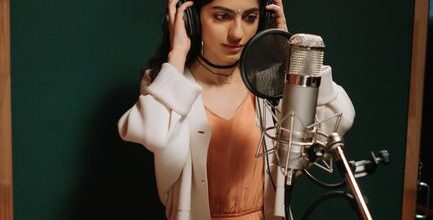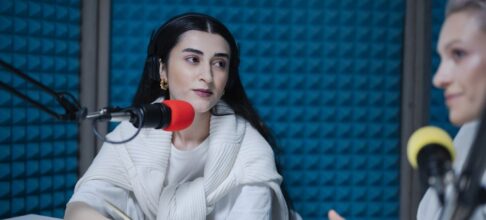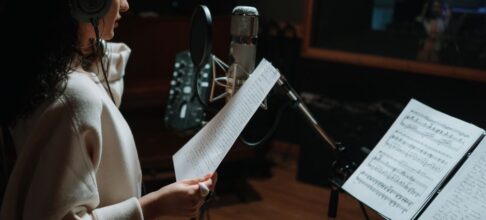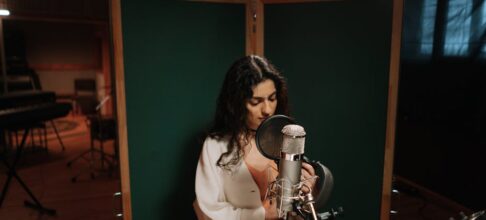
The first time I watched an Estonian-language documentary on the ERR streaming service, the voice-over didn't just translate—it breathed new life into the footage. The cadence was unmistakably local, both familiar and slightly formal, like someone reading aloud in a Tallinn classroom. For outsiders, Estonian voice over might seem as simple as translating a script and recording it. In practice, especially at small studios or during fast-paced campaigns, it's often far messier—equal parts technical wrangling and cultural tightrope walking.
Unexpected Hurdles in Small Markets
Consider the case of Animato Studio, a boutique post-production house in Tartu. Two years ago, they landed their first contract with a Finnish game developer to localize in-game narration for an educational app targeting Baltic schools. "We thought it would be plug-and-play," remembers project lead Maarika Kask. Instead, it took weeks to source native Estonian voice actors willing to record + lines at indie rates. Many seasoned talents were already booked by state broadcasters or working on long-term ad campaigns for brands like Prisma Peremarket.
The real challenge came after recording: syncing the narration with animation built for English pacing. In Estonian, phrases often run longer—sometimes up to % more syllables—which meant re-timing dozens of scenes frame-by-frame. Animato's workflow involved exporting temp tracks from Reaper (the DAW favored locally), then tweaking timing inside Unity before final rendering. It wasn't glamorous; but that’s how localization is actually done here, especially when production budgets hover below €10k per project.
Estonian Voice Over: Past and Present Contradictions
Back in the late 1990s, most imported TV shows arriving on Eesti Televisioon featured mono-narrator overdubs—usually one stern male voice delivering every character’s lines regardless of age or gender. By , dubbing had become more sophisticated thanks to European Union funding initiatives for media accessibility.
Yet even now in , many streaming platforms serving Estonia (including Telia TV and Elisa Hub) still default to subtitles rather than full Estonian dubbing or voice over—a practical decision given audience size (1.3 million). Local brands commissioning explainer videos or ad spots usually opt for single-voice narrations rather than multi-character casts due to cost constraints.
Corporate Workflow: A Tallinn Agency’s Approach
At Velvet Creative Alliance—a design agency frequently producing digital ads—they keep a roster of four trusted native speakers (two men, two women) who can deliver on short notice for corporate campaigns. Scripts are rarely translated word-for-word; instead they’re adapted by an in-house copywriter familiar with nuances specific to urban versus rural dialects—a surprisingly important distinction if your target is consumers outside Harju County.
Studio time is booked via Source-Connect or Cleanfeed links so talent can record remotely from home booths in Pärnu or Viljandi. Final audio gets edited in Adobe Audition before being delivered as WAV files ready for client handoff within hours—unless requested changes come back late Friday afternoon (a recurring headache).
AI Tools Enter the Scene—but Not Without Friction
Since around , AI-based tools like ElevenLabs and Descript have started making waves among smaller Estonian agencies and YouTube creators looking for faster turnaround at low cost. However, several content marketers report mixed results—the available synthetic voices may struggle with unique vowel sounds ('õ', 'ä', 'ö', 'ü') intrinsic to Estonian speech.
For example: an e-learning startup based near Rakvere recently experimented with AI-generated narration for onboarding tutorials targeted at senior citizens. Initial drafts sounded oddly robotic and mispronounced local place names—a dealbreaker when clarity matters most. After testing with real users, they reverted back to human voices despite tripling their original budget estimate.
The Numbers Game—and Why Scale Matters Less Than You’d Think
Unlike Polish or German markets where hundreds of professional VO artists compete for steady work each month, Estonia’s talent pool remains tiny but tightly knit—fewer than fifty active pros handle nearly all commercial output nationwide according to recent industry survey estimates shared by Eesti Filmi Instituut insiders.
That said, demand isn’t insignificant: one mid-tier Tallinn localization firm reports handling approximately – short-form VO projects annually—mostly explainers, commercials and museum audio guides—in addition to larger narrative contracts every quarter for government PSAs or EU-funded documentaries.
Lessons from Abroad: Learning Curves Beyond Estonia
Interestingly enough, Australian post houses like Soundfirm have occasionally sourced Estonian narration—not for local broadcast but as part of international exhibition projects headed by art museums in Melbourne collaborating with Baltic curators on touring retrospectives circa –.
In these rare cases the workflow flips: raw scripts arrive from Australia needing not just translation but heavy cultural adaptation before VO casting even begins—often handled via email chains stretching across ten time zones until everyone agrees which version feels genuinely "Estonian" without sounding stilted or touristy.
Beginner Takeaways No One Tells You Upfront
- Sourcing authentic talent takes longer than you think—even small jobs can stall waiting days for replies from busy narrators juggling multiple gigs across radio and advertising sectors.
- Most studios depend heavily on trusted freelancers rather than big agencies; personal relationships matter more than glossy portfolios here.
- Budget realistically: expect €–€ per finished minute depending on complexity (with higher rates if you need urgent delivery or multiple retakes).
- Always test pronunciations ahead of time if using any AI tool; localized language quirks will break even the most advanced software today.
- Don’t assume major streaming services will prioritize full dubbing anytime soon—instead plan campaigns around versatile single-voice narration formats unless targeting children’s media or government-mandated content.
Closing Thoughts From Real Projects
In reality—whether it’s a museum guide recorded late at night in Tartu or a fintech brand demo launched via Facebook ads—the world of Estonian voice over thrives not because it’s easy but because small teams make do with what they have: nimble processes honed over countless last-minute briefs and patchwork workflows stitched together with equal measures of expertise…and improvisation.