The Many Layers Beneath the Microphone
American voice over is not one industry but several overlapping ecosystems. At its surface are familiar faces (or rather voices) like Tara Strong or Steve Blum—names that pop up in credits for everything from Cartoon Network series to video game franchises like "Call of Duty." But underneath lies a vast network of agencies (think Atlas Talent Agency in New York), union regulations (SAG-AFTRA rules can make or break budgets), remote studios, and increasingly AI-driven platforms such as Respeecher or ElevenLabs.
A contradiction sits at the heart of this world: The craft relies on both high-touch performance and low-touch distribution. A campaign for Netflix’s US catalog might need different voices recorded across six cities within two weeks—a scale that only became possible after when digital home studios became standard issue among working talent.
How Streaming Changed the Playbook Forever
It would be dishonest to talk about the evolution of American voice over without mentioning Netflix. Around , as streaming became dominant and binge-watching entered everyday language, content localization boomed. Suddenly scripts needed more than subtitles—they demanded dubbed performances with authentic intonation for Brazilian teens or Polish families.
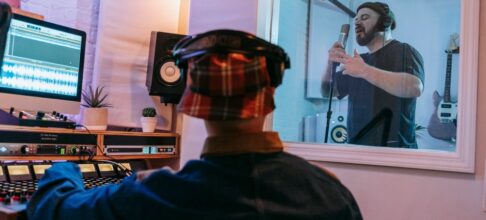
Consider VSI Los Angeles: By their studio reported handling up to hours of dubbed content monthly for shows destined for Disney+, Amazon Prime Video, and Apple TV+. Instead of flying actors into Burbank or Manhattan Beach, they supervised sessions remotely from as far afield as Cape Town or Madrid—routing files through Source-Connect and assembling deliverables in Pro Tools suites operated by engineers who may never set foot in Hollywood.
From Commercials to E-Learning: The Breadth No One Talks About
There is a persistent myth that all American voice over artists want to be cartoon heroes or movie trailer announcers. In reality? According to insiders at Edge Studio (a major training hub based in New York), nearly half their alumni find steady income voicing e-learning modules for Fortune companies or explainer videos for SaaS startups in Texas and North Carolina.
The growth is measurable even if you can't pin down exact numbers—Edge Studio reported a % increase in corporate narration bookings during pandemic years alone. In parallel, small production houses in Denver routinely patch together regional radio spots using contracted talent from Florida or Oregon—all coordinated via cloud-based project management tools like VoiceZam.
Workflow Snapshot: One Short Week at a European Localization House
Let’s zoom into one week at SDI Media Poland circa late-—a period when "Squid Game" mania made Korean drama dubs headline news worldwide. An American brand wanted their training platform localized with authentic US-accented English narration (for multinational staff) alongside Polish overdubs.
Here’s what actually happened:
- Casting directors sorted through reels submitted via Voice123 (an online casting platform).
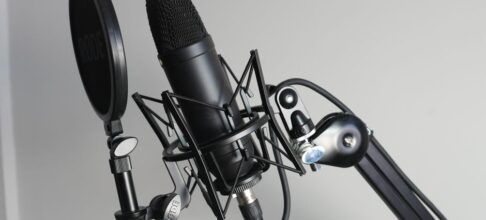
- Shortlisted artists recorded sample scripts overnight using home setups equipped with Neumann TLM microphones—a standard choice since mid-2010s among serious freelancers.
- Final selections patched into Warsaw’s main studio via SessionLinkPRO; audio engineers layered narration atop animated e-learning visuals delivered from Boston partners.
- Turnaround? Four days start-to-finish; less than half what was typical before COVID normalised remote workflows.
This hybrid model—part local expertise, part global talent pool—is now routine across Europe and North America alike.
AI Voices: Threat or Tool?
If there’s anxiety anywhere in this business, it centers on synthetic speech technology. Companies like WellSaid Labs have been licensing custom-trained American-sounding voices since around —not just for basic phone prompts but whole audiobooks and branded campaigns. Some agencies report clients requesting up to % of demo reels featuring AI-enhanced reads purely out of curiosity about cost savings or speed.
But adoption isn’t universal—or simple. In Los Angeles post-production houses observed in mid-, real human nuance still wins out whenever emotion drives conversions (think fundraising ads). Meanwhile indie animation teams in Toronto experiment with AI voices mainly as placeholders during pre-production animatics—but ultimately revert back to skilled SAG-AFTRA talent when final delivery matters most.
Dollars—and Cents—in Workflow Design
Budgets shape every minute behind the scenes. For example, ad campaigns run by Wieden+Kennedy Portland often specify usage rights down to granular details: “US national broadcast; six months; digital only.” This determines whether producers can afford top-tier union actors versus rising stars found via platforms like Bodalgo out of Germany or direct outreach through LinkedIn communities dedicated to freelance VO work.
A typical workflow looks like this: