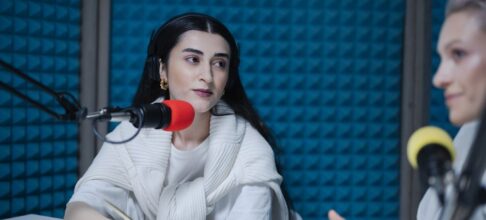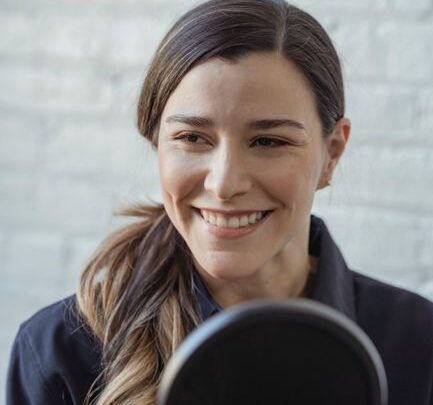
In a world obsessed with global reach, some languages still slip through the cracks. Bulgarian is one of them. If you walk into a typical European localization studio—say, in Prague or Warsaw—you’ll hear French, German, and Polish voice actors cycling through scripts for Netflix series and Ubisoft games. But Bulgarian voice over? Rarely mentioned. Yet behind the scenes, there’s movement in this overlooked segment that hints at untapped potential.
The Subtle Growth Nobody Brags About
Back in 2017, when HBO GO quietly expanded further into Eastern Europe, localizing content into Bulgarian was more an afterthought than a strategy pillar. The reality: licensing deals required a certain percentage of catalog to be available in native tongues, so studios scrambled to assemble affordable voice talent. Fast forward to 2022—Bulgarian users made up roughly 3–4% of streaming service growth across the Balkans region, according to internal estimates from regional platform Voyo (owned by Central European Media Enterprises). Still not headline material… but far from negligible.
Why So Quiet?
Talk to project managers at Sofia-based dubbing houses like Doli Media Studio or Alexandra Audio and you’ll hear a familiar story: “Budgets are tight; demand is sporadic; clients often assume subtitles will suffice.” It’s not that there isn’t work—it’s that nobody wants to champion this niche publicly. One senior engineer at an international localization firm based in Berlin put it bluntly: “Bulgarian is always on the list… just never at the top.”
In Practice: A Workflow Snapshot
Let’s break down how it actually happens when Bulgarian voice over *is* commissioned:
Contrast this with workflows for major Western European languages where established pipelines, higher budgets and standardized quality controls are the norm.
The Unseen Business Case
There’s an irony here: advertisers and media buyers increasingly note that Bulgarians respond better (by up to 15%, according to 2023 figures from market research agency Pragmatica) to locally voiced commercials than those relying on English-language spots or mere subtitles. In real campaigns observed in Sofia—especially for telecoms like Vivacom—the difference between dubbed radio ads and translated ones has proven measurable enough for agencies like All Channels Communication Group to start allocating extra budget lines specifically for custom recording sessions.
However, campaign managers remain hesitant. “It’s still hard to argue for full-scale dubbing unless we’re dealing with kids’ content,” confides one ad executive whose team recently adapted a global shampoo spot into Bulgarian VO as a test run (the client was surprised by a bump in recall metrics but balked at repeated investment).
Case Study: Gaming Content Gets Local
Here’s where things get interesting—and unexpected:
In late 2021, Sofia-based indie game studio Haemimont Games (best known abroad for titles like Tropico 6) piloted full Bulgarian narration for one of its downloadable content expansions targeting local players. Uptake among domestic gamers exceeded expectations—downloads within Bulgaria accounted for nearly twice their average regional share during launch week. According to one internal producer, "We underestimated how much hearing your own language could drive community buzz—even if most core gamers are used to playing everything in English.”
This mini-experiment prompted other midsize studios around Budapest and Bucharest to consider similar moves—not just as afterthoughts but as strategic differentiators against AAA titles ignoring smaller languages.
Tech Tensions: AI vs Human Nuance
Like everywhere else in media production post-2020, AI tools are making their way into Balkan localization chains—but with mixed success. Several mid-sized localization companies experimenting with ElevenLabs’ generative voices found that while AI could handle neutral narration passably well (think corporate explainers), emotional nuance was lacking—particularly with intricate Slavic intonation patterns unique to natural Bulgarian speech.
One workflow observed at Doli Media Studio involved running initial drafts through Synthesia’s platform before hiring human actors for sensitive passages—a hybrid approach now accounting for roughly 20% of their projects involving children’s animation.
But purists insist these shortcuts compromise authenticity—a debate echoing across conference panels from Berlin's Languages & The Media event all the way back home in Plovdiv meetups among freelancers.
Historical Quirk: Dubbing vs Subbing Since the '90s
To understand why no one talks much about Bulgarian voice over today requires looking backward: during the early '90s satellite boom, most imported TV shows arrived subtitled or even with "voice-over translation"—a single narrator droning over original dialogue rather than proper character acting (a style still common in Russia and Poland). Full-cast dubbing only became mainstream for children's programming post-2005 when Disney Channel and Nickelodeon insisted on uniform experience across CEE territories.
Ironically, lingering perceptions about costliness and limited ROI have kept wider adoption at bay—even though audiences under age 30 grew up expecting high-quality local dubs thanks largely to these kids' channels setting new baselines fifteen years ago.
Outside Eyes: Global Platforms Tiptoe In
When Netflix entered Bulgaria officially in early 2016 they prioritized interface localization over original audio dubbing; just four years later select originals like “The Witcher” received full-cast Bulgarian tracks due partly to pressure from pan-European audience engagement teams tracking retention metrics country by country. Still rare but growing—in late 2023 only about two dozen major Netflix titles carried genuine local dubbing compared with hundreds available in Spanish or French markets.
Amazon Prime Video lags further behind; industry insiders suggest it's seen as "not yet worth scale investment," despite anecdotal evidence that loyal subscribers would pay premiums if offered more localized options beyond mere subtitles.
So while global giants inch forward cautiously, niche streamers like Neterra.TV—a platform popular among Bulgarians living abroad—regularly commission bespoke voice overs as selling points aimed squarely at nostalgia-driven expats missing familiar phrasing and humor nuances only native narrators can deliver convincingly.
Under-the-Radar Talent Networks
Unlike Germany or Spain where unionized actor rosters dominate bookings, Bulgaria's scene remains informal but agile: WhatsApp groups connect freelance narrators who double as stage actors at Sofia Drama Theatre by day and record e-learning modules by night out of makeshift home studios equipped with Rode NT1 microphones and DIY acoustic panels bought online during pandemic lockdowns circa 2020–21...
and yet some of these unheralded freelancers end up lending voices heard daily on national lottery ads or navigation apps used by millions locally—with barely any formal credit granted outside closed Facebook groups sharing gig tips each month.