There’s a quiet commotion behind the scenes every time an international streaming platform decides to localize content for Armenia. In Yerevan studios, you can still find directors huddled in small soundproof rooms, headphones askew, chasing what they call "the authentic Armenian resonance"—a phrase that means different things depending on whether you’re working for Netflix, an indie game developer, or a local documentary team.
Where the Market Actually Stands
Despite the occasional fanfare about Armenian being added to language lists by global players (Netflix dipped a toe in ), the pipeline remains almost artisanal. Official data is scarce, but several insiders from local agencies estimate that less than 3% of imported film and series titles actually receive full Armenian voice over treatment. The rest? Subtitles, or nothing at all. It’s not for lack of talent—Armenia has a tradition of expressive voice acting dating back to Soviet-era radio dramas—but more a cocktail of budget constraints and technical bottlenecks.
The Case of "Dilijan Games" and the Elusive AAA Moment
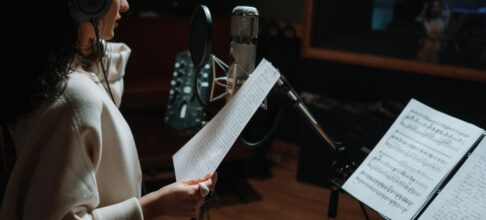
Take Dilijan Games, an ambitious Yerevan-based studio that’s been trying since to break into European markets with their point-and-click adventure titles. When they partnered last year with Poland's TransVoices localization agency to dub "Shadow Letters," it exposed both the promise and pitfalls facing Armenian VO workflows. Polish actors recorded English lines; scripts were translated in Yerevan; then Armenian voices—many moonlighting from theatre troupes—were brought in for final recording.
What happened? Editing delays ballooned as engineers struggled with mismatched pacing and regional dialect inflections. Some lines even required rewrites because idioms made no sense outside Syunik province. Postmortem meetings revealed that only one out of five external QA reviewers had ever approved an Armenian-language game dub before. The project shipped six weeks late—a minor miracle under the circumstances—but Dilijan’s creative director called it “an irreplaceable learning curve.”
Who Is Actually Recording?
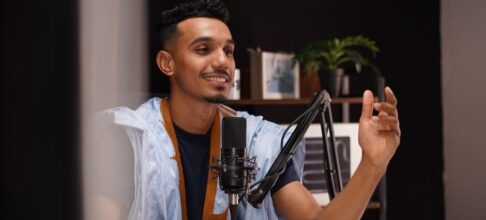
Unlike bigger markets where talent pools are managed by agencies or online platforms like Voices.com, much of Armenia’s voice over community operates through informal networks. There is no centralized roster: casting often happens via Telegram groups or word-of-mouth within theatre circles. A studio manager at Yerevan’s modestly equipped SoundNest points out that half his voice actors are also TV hosts or newsreaders—some even cross over to commercial radio jingles between dramatic roles.
For advertising campaigns targeting diaspora Armenians in Los Angeles or Paris, scripts go through three rounds of review: linguistic adaptation (to avoid archaic expressions), cultural vetting (to dodge accidental offense), and finally technical prepping for various audio standards used by US versus French broadcasters.
Streaming Platforms: Slow Uptake with Occasional Surprises
Disney+ quietly piloted dubbed children’s content in Western Armenian last winter for Canadian and Lebanese subscribers—a move that surprised even industry regulars in Gyumri and Beirut. But these efforts remain experimental; most large-scale productions default to subtitling due to cost-efficiency calculations. Based on interviews with two dubbing coordinators at regional offices of Iyuno-SDI Group (which handles VO for Netflix across Eastern Europe), full-cast Armenian dubs make up less than 1% of their annual output as of .
When tech does arrive, it lands unevenly: AI-powered dubbing software like Papercup is occasionally tested for pilot episodes but struggles with nuances such as voiced dental stops unique to Eastern Armenian pronunciation. Human touch still wins out—for now.
Historical Footnote: From Soviet Filmstrips to Modern Audiobooks
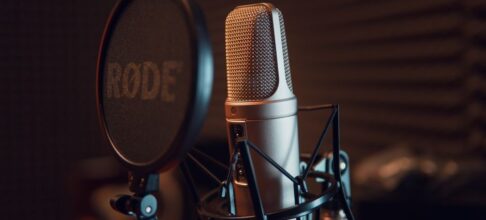
Rewind to the late '80s when state-run Armenfilm Studios produced dubbed versions of Russian classics using reel-to-reel tape machines—a process so laborious that each episode was aired only after weeks in post-production limbo. Fast forward three decades: today, audiobook startups like Audionest.am leverage home studios fitted with Rode microphones and Focusrite interfaces, shipping digital files overnight via Google Drive links instead of magnetic tape reels.
This evolution is visible everywhere except perhaps in funding mechanisms—the number one reason cited by contemporary producers for why major projects rely on part-time staffers juggling multiple gigs rather than dedicated teams.
Looking Ahead: Regional Collaborations vs DIY Grit
A pattern emerges among production houses—from Tbilisi-based partners working cross-border projects to Parisian distributors seeking authentic narration for diaspora films: collaboration is increasing, but Armenia’s unique linguistic landscape complicates standardization efforts seen elsewhere in Central Europe. Some smaller companies are betting on hybrid workflows: initial translation and casting done locally; editing outsourced to freelancers abroad; final mixing returned to local hands who know how “Tigran” should really sound when whispering into darkness on screen.
Meanwhile, independent filmmakers sometimes bypass traditional studios altogether—recording dialogue directly on set using portable kits cobbled together from borrowed gear (Zoom H6 recorders remain popular). Post-production gets handled by whoever has access to Adobe Audition licenses at home.
Is this sustainable? Maybe not forever—but it keeps new voices coming through the pipeline while larger institutions debate long-term investment strategies.
In summary: if you peer behind the polished export reels labeled “Armenian Voice Over,” you won’t see a streamlined machine yet—you’ll see ingenuity stitched together by necessity, collaborating across borders whenever possible but still fiercely protective of those subtle turns-of-phrase that make this market its own peculiar beast.