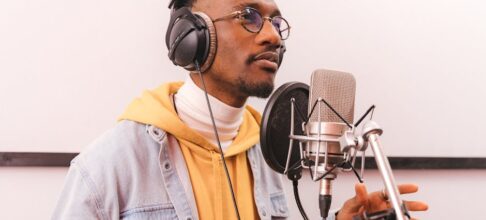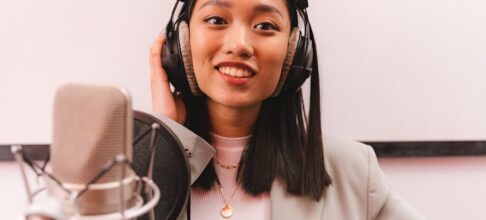
It’s not hard to hear the difference. There’s an edge, a casualness, sometimes even a wink in how American voice over is performed today—especially if you compare it to the stilted polish of dubbed content from Europe or Asia circa . But what’s actually changed? And is it really as distinct as clients, producers, and directors insist?
Let’s start with something I overheard in a remote recording session last November. The project was for Netflix, handled out of a Burbank-based post-production house that’s been around since the late ‘90s. The client—a streaming drama set in New York—kept stopping the actor mid-line: “That felt too much like an announcer.” Three takes later: “Still sounds like you’re reading.”
A decade ago this would have been fine—expected, even. Now it signals death for authenticity.
A Shift That Started Quietly: From Polished to Conversational
American voice acting hasn’t always prized naturalism. If you dig up trailers from early 2000s network television (think NBC’s Thursday night promos), there’s a uniformity: deep voices, deliberate pacing, and barely any trace of regional inflection. But around , things started shifting.
Partly thanks to companies like Hulu and Audible ramping up original production—by some estimates quadrupling their scripted audio output between and —the market for voice actors expanded overnight. Suddenly talent with theatrical backgrounds found themselves auditioning alongside stand-up comics, TikTok personalities, even YouTubers.
The result? Directors began chasing performances that sounded less like performance—and more like your friend leaving a voicemail.
Case Study: LA Studios and the "Millennial Read"
If you talk to engineers at Margarita Mix Hollywood (a post facility whose credits include Disney+ dubs and EA Sports game trailers), they’ll mention the rise of the so-called "millennial read." In practical terms, this means:
- Slight vocal fry on sentence endings
- Dropped consonants (“gonna” instead of “going to”)
- A rhythm closer to ad-libbed conversation than news broadcast
- More remote direction via Zoom or Source Connect, where directors encourage multiple loose takes per line (sometimes five or six variants)
- Less reliance on word-perfect script reads; actors are allowed (even encouraged) to improvise or tweak awkward phrasing on the fly
- Audio editors spending more time splicing together composite performances from different takes for maximum spontaneity
- Brands accepted slightly varied acoustic signatures rather than perfect studio-matched sound—as long as delivery felt "genuine"
- Casting now often incorporates video auditions so directors can see physicality (even when only audio will be used)
In actual sessions observed over the last two years, casting calls specify: “No announcer voices,” “Not too polished,” or simply “sound real.” This has led to actual workflow changes—for example:
Contrast this with German dubbing studios such as Berliner Synchron GmbH (famed for decades-old workflows), which still favor meticulous script adherence and minimal improvisation.
Authenticity Wars: Commercial vs. Gaming vs. Audiobooks
But here’s where things get complicated. Not all sectors want—or can use—the same kind of "authentic" sound.
Take commercial work for U.S.-based agencies like Wieden+Kennedy New York. Their campaigns for Nike or Delta Air Lines require conversational delivery but zero ambiguity; clarity rules all.
Compare that with what Respawn Entertainment demands for AAA video game titles recorded at SideLA—the Los Angeles branch of global localization giant SIDE Studios (whose credits include "Apex Legends"). Here, directors will schedule back-to-back four-hour sessions focused exclusively on reactive lines (“Incoming fire!”/“Reloading!”). They want punch—but also emotional realism that matches unpredictable gameplay scenarios.
And then there are audiobooks: Penguin Random House Audio regularly books actors who can maintain character consistency across fifteen hours while sounding completely unforced—a tall order when narrating complex fiction by authors like Don DeLillo or Celeste Ng.
What ties these disparate American workflows together isn’t just preference—it’s technology and audience expectation evolving hand-in-hand.
Remote Workflows Changed Everything—And Everyone Noticed by
The pandemic didn’t create remote recording in America—it merely made it universal overnight. According to data compiled by Voices.com in mid-,
over half of U.S.-based professional voice talents now record most jobs from home studios equipped with upgraded mics (Neumann TLM 103s became standard almost instantly), DIY acoustic treatment,
and stable broadband connections supporting high-quality live direction.
Clients adjusted too:
This is less common in Asian markets like South Korea,
where local broadcasters such as KBS still require central studio bookings—and scripts rarely leave room for improvised dialogue shifts.
Yet American platforms—from Spotify Originals podcasts to Cartoon Network animated shorts—increasingly demand exactly those organic flourishes you’d never find in traditional dubbing houses east of London.
A director I spoke with at Funimation Dallas put it bluntly: “If I hear another perfectly enunciated read without life behind it—I’ll skip that actor next round.”
This sentiment is echoed across Slack channels where freelance VO artists swap tales about clients wanting them to “just be yourself”—but also nail timing down to tenths of a second!
It’s messy—but uniquely American right now.
Data Point: Speed Versus Nuance — Turnaround Shrinking Rapidly
in Streaming Campaigns
in Real Numbers
in Real Numbers
in Real Numbers
in Real Numbers
in Real Numbers
in Real Numbers
in Real Numbers
in Real Numbers
in Real Numbers
in Real Numbers
outside Netflix-style operations report average campaign turnaround times dropping from three weeks pre-pandemic
to under eight days for typical short-form projects post-—a roughly % acceleration according to accounts from indie post firms in Austin and Atlanta working on Peacock and Hulu assignments.
yet requests for retakes/alt versions have increased nearly twofold,
as brands test dozens of micro-campaign variants per region/language pair via programmatic ad platforms such as Innovid and Adthena.
the tradeoff? more flexibility—but also more pressure on actors (and engineers) to deliver subtle variations at breakneck speed without losing that elusive "real" sound.
the old model—one read fits all—is officially dead here; every new spot feels custom-tailored right down to whether someone says "mom" versus "mawmm."
note how rare this level of adaptation remains outside North America;
even UK-based radio ads monitored by Radiocentre tend toward tighter scripting and fewer alternate versions per campaign cycle compared with US equivalents observed during Super Bowl season each February/March.
defining difference #1: relentless demand for micro-customization based on region/audience/platform—not just language neutrality—that dominates US commercial/streaming workflows today.
defining difference #2: prioritizing natural imperfection over technical precision even if means sacrificing some traditional polish along the way—a risk few legacy markets embrace yet but becoming near-standard among stateside buyers since about onward.
historical side note: if you watched Cartoon Network's first wave of original programming circa early 2000s (“Ed Edd n Eddy," “Dexter's Lab”), you'll recognize how much flatter/dryer those reads were compared with modern reboots produced after Warner Bros acquired full control in mid-2010s—now everything aims for fast-paced banter over classic clarity.