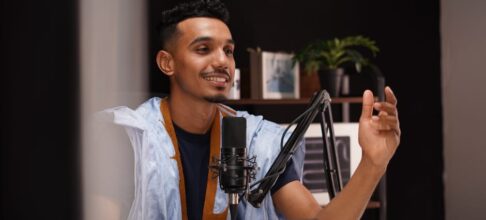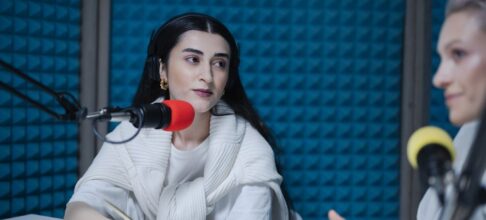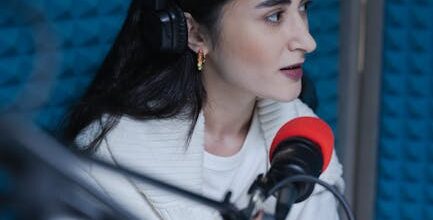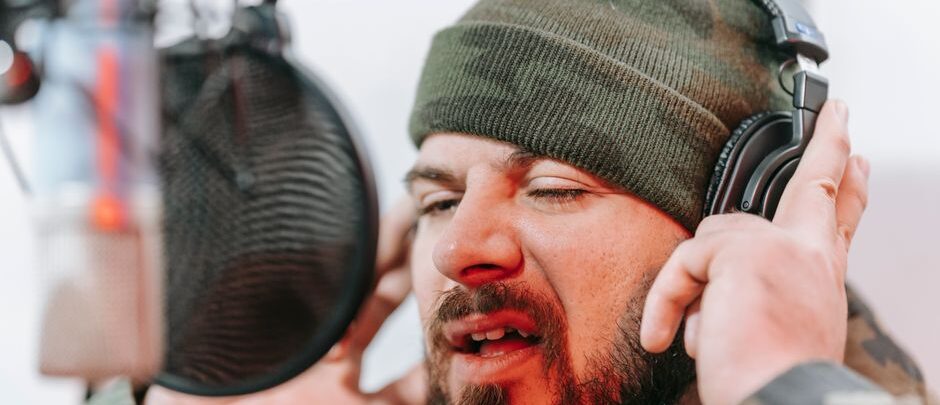
It’s almost midnight in a cramped Brooklyn studio. The client on Zoom is dialing in from Seoul, the engineer sips his third coffee, and a voice actor is running lines that will soon be heard by millions—though not always in English. This isn’t some relic of radio’s golden era; it’s a Tuesday for much of New York’s indie audio world. If you’re looking for proof that American Voice Over is booming, forget the statistics (for just a moment) and watch how quickly producers scramble to secure talent with the “right” accent for their next global campaign.
The Paradox of Familiar Voices in Unfamiliar Places
There’s something oddly comforting about hearing an American voice narrate a K-pop documentary on Netflix Germany, or selling toothpaste during prime time on Australian TV. It feels both out of place and perfectly tailored—a contradiction at the heart of today’s localization boom. Since around 2017, as streaming platforms exploded and global ad buys became routine, demand for distinctively American-sounding narration has rocketed across Europe and Asia.
But this wasn’t always so. In the late 1990s, most German TV commercials featured local actors; even big-budget campaigns relied on rougher-in-tone German voices rather than importing polished American reads. Fast forward two decades, and Berlin-based studios like Loft Tonstudio now routinely book LA-based artists for remote sessions—sometimes patching them live through Source-Connect or SessionLinkPRO, especially for high-end automotive spots.
Netflix Changed Everything—And Then Came TikTok
When Netflix began rolling out localized content around 2016–2017, they set new standards not just for dubbing but also for voiceover narration and promo trailers. According to one LA agency producer I spoke with last year, “We get requests from Singaporean production houses asking specifically for neutral-American male or female VO talent almost every week.”
The workflows aren’t glamorous: scripts arrive overnight via email; pickups requested by email before noon PST; files uploaded to Frame.io or Google Drive by EOD Pacific Time. But what was once boutique now feels like assembly line scale—and yet rates haven’t collapsed entirely because recognizable quality still carries real currency.
One case: StreamVibe Studios (a mid-sized post house in Warsaw) reports that roughly 30% of their international projects between 2021–2023 required US-accented narration—even when the primary audience was Polish or Czech. Their clients want prestige by association: if it sounds American, it must be good.
Gaming and Tech Set Their Own Rules
A common workflow observed at major game publishers like Ubisoft (with hubs in Montreal and Paris) demonstrates another dimension: narrative-driven games often record key characters’ English dialogue first—with top-tier US-based actors—before localizing into French, Japanese, or other markets. In many cases since 2020, teams have embraced remote recording tech such as Cleanfeed.fm to connect West Coast actors directly into European sound booths. For titles like Assassin’s Creed Valhalla, an estimated half of all voice assets originated from American performers before being adapted globally.
Meanwhile, Silicon Valley startups regularly commission explainer videos narrated by fresh American voices—not only for US audiences but also because international buyers equate that sound with trustworthiness and technical authority.
Australia’s Reluctant Embrace—and Its Limits
In Sydney’s adland circles circa 2018–2019 there was visible resistance to adopting overtly American tones—even on digital-first campaigns aimed at younger viewers. Yet today several media agencies report a doubling of briefs requesting “US-style” delivery for YouTube pre-rolls targeting Gen Z Australians accustomed to globalized content streams.
However, this import isn’t frictionless: certain products still require local nuance or hybrid accents (think Qantas ads), so casting directors routinely sift through dozens of reels seeking someone who can land somewhere between Los Angeles confidence and Melbourne relatability.
AI Voices Stir Up Both Demand And Anxiety—but Human Nuance Wins… For Now
Several large localization outfits—including Keywords Studios (which operates outposts from Dublin to Tokyo)—have ramped up experimentation with AI-generated voiceovers over the past two years. Yet even these firms acknowledge a persistent premium placed on authentic US delivery styles: "With high-profile campaigns," says one production lead from their Berlin office, "clients invariably ask if we can source actual North American talent—even after hearing the best synthetic demos available.”
At present (mid-2024), less than 20% of commercial work handled by mid-tier agencies involves fully automated voices; most brands still insist on human performance for flagship launches or emotionally driven storytelling.
Numbers Behind The Boom: Not Just Hype
Industry insiders estimate annual growth in freelance bookings for American-accented VO has hovered between 8–12% since pre-pandemic times—a rare bright spot amid general economic uncertainty in creative sectors. On Upwork alone, searches related to “American narrator” rose sharply post-2020 lockdowns as brands leaned harder into remote production options.
This isn’t just about commercial spots either: interactive museum guides across Europe increasingly feature native-sounding Americans leading visitors through exhibits—from Copenhagen’s Experimentarium science center to Athens’ Museum of Cycladic Art. The logic? Tourists trust friendly US inflection over stilted translation or unfamiliar regional variants.
Anecdotes From The Studio Floor
Ask any veteran booth director in London about trends since Brexit reshaped cross-border collaboration—they’ll mention faster turnaround cycles but also more frequent requests from mainland European agencies seeking “that classic NYC sound” for finance sector explainers aired on pan-European business channels.
In real-world terms: Soundkitchen Studios near Paddington completed seven major financial service campaigns using US-accented talent within Q1 2024—a marked increase versus their typical yearly average throughout much of the prior decade. Even smaller UK outfits are catching up; recent recruitment ads placed by Manchester-based Snap Audio specifically seek freelancers able to deliver subtle yet assertive reads modeled after top LA commercial work.