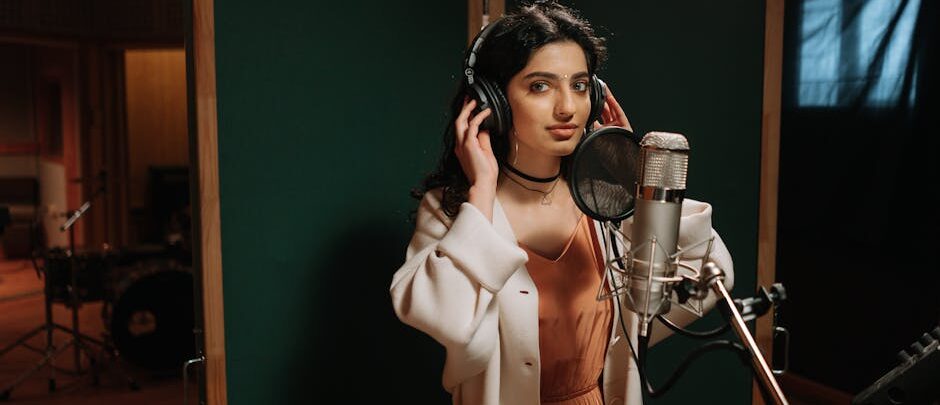
Understanding Arabic Voice Over
Arabic voice over refers to the artistic and technical process of recording narration or dialogue in Arabic for media such as commercials, films, documentaries, e-learning, video games, and corporate videos. With over million native speakers and numerous dialects ranging from Gulf Arabic to Levantine and Maghrebi, Arabic voice over is a diverse and culturally rich field.
---
The Continued Relevance of Arabic Voice Over
1. Vast and Growing Arabic-Speaking Audience
The Arabic-speaking population is not only large but also young and digitally engaged. Countries in the Middle East and North Africa (MENA) region are witnessing increased internet penetration, social media use, and mobile device access. As a result, more content is being consumed online, necessitating high-quality Arabic voice over for:
- Marketing Campaigns: Advertisers target Arabic speakers through region-specific ads.
- Entertainment Industry: Arabic dubbing and narration for films, TV shows, and animated content.
- E-learning & Corporate Training: Increased adoption of Arabic for educational materials.
- Keyword Targeting: Use keywords like “Arabic voice over services,” “professional Arabic voice artists,” “Arabic dubbing experts,” and relevant dialect terms.
- Content Marketing: Publish articles, case studies, and demo reels optimized for Arabic and English search intent.
- Local SEO: If targeting specific MENA countries, localize content with regional keywords.
- Social Media Engagement: Share samples and client testimonials on platforms popular in Arabic-speaking countries.
2. Cultural Relevance and Localization
Arabic voice over is essential for authentic localization. A generic translation isn’t enough; the voice, tone, dialect, and cultural nuance all contribute to better audience engagement. Brands that prioritize Arabic voice over demonstrate respect for local culture, increasing trust and conversion rates.
3. Growth of Arabic Content on Streaming Platforms
Platforms like Netflix, Amazon Prime, and Shahid are investing in Arabic audio options to tap into the regional audience. High-quality Arabic voice over is crucial for these services to provide immersive viewing experiences, maintaining subscriber loyalty.
---
Emerging Trends Shaping Arabic Voice Over
AI and Machine Learning in Arabic Voice Over
While AI voice synthesis is improving, especially for English, Arabic’s complex phonetics and dialectal diversity make human voice over artists indispensable for the foreseeable future. However, AI can assist with pre-production and script revisions, enhancing efficiency.
Regional Dialects and Niche Markets
The demand for dialect-specific voice over is rising as brands aim for hyper-localization. For example, brands targeting Gulf countries often prefer Gulf Arabic speakers, while those focusing on Levant markets may opt for Levantine Arabic.
Remote Recording Technology
The COVID- pandemic accelerated the adoption of remote recording studios. Arabic voice over artists globally now collaborate seamlessly with clients, expanding access and reducing costs.
---
How to Choose the Right Arabic Voice Over Professional
Assess Language and Dialect Expertise
Ensure the artist is fluent in the specific Arabic dialect your project requires and can deliver the intended tone (formal, casual, energetic, etc.).
Evaluate Voice Quality and Range
Listen to demos for clarity, expressiveness, and versatility. Arabic is a melodically rich language, so the artist’s voice should reflect authenticity and emotional connection.
Consider Technical Capabilities
Check if the artist has access to professional recording equipment or studios to guarantee high audio quality.
---
SEO Strategies for Arabic Voice Over Services
For professionals offering Arabic voice over, optimizing online presence is critical to attract clients. Here are key SEO tips:
---
Conclusion: The Indispensable Role of Arabic Voice Over Today
Arabic voice over is far from obsolete; it is thriving and adapting to new market demands and technological advancements. The combination of a large, engaged Arabic-speaking population and the linguistic complexity of Arabic ensures that professional voice over services remain a key asset for any organization aiming to connect meaningfully with this audience. Whether you are a brand, content creator, or voice artist, investing in high-quality Arabic voice over is a strategic move that guarantees cultural resonance and commercial success.
---
FAQs
Q1: Can AI replace Arabic voice over artists soon?
A1: While AI technology is advancing, the complexity and diversity of Arabic dialects mean that human artists are still vital for authentic and nuanced recordings.
Q2: What are the most popular Arabic dialects for voice over?
A2: Modern Standard Arabic (MSA), Gulf Arabic, Egyptian Arabic, and Levantine Arabic are among the most sought-after dialects.
Q3: How much does professional Arabic voice over cost?
A3: Pricing varies based on project scope, dialect, and artist experience but typically ranges from $ to $+ per finished minute.
---
By embracing the current trends and understanding the value of authentic Arabic voice over, your projects will stand out in this competitive and vibrant marketplace.