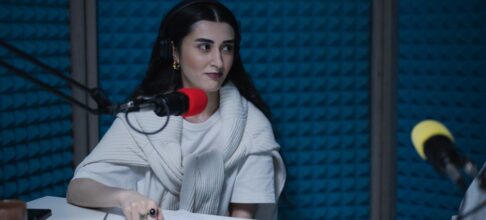
A Coca-Cola ad. That’s where most people in the industry point when asked about the birth of the “modern” American voice over—the smooth, trustworthy baritone promising a better life, just a sip away. But that’s not really where it began, and certainly not how it feels today on the production floor at places like SideLA or inside Netflix’s international dubbing pipeline.
The Early Days: When Voice Was Theater
Before World War II, voice actors were live performers—part radio dramatist, part newsreader. In New York studios during the 1940s, you’d find Mel Blanc voicing half of Warner Bros.’ cartoon characters between takes for radio serials. Microphones were ribbon mics; the sound was woolly and resonant. Everything happened in real time—no second takes unless you started from scratch.
Anecdote: A retired engineer who worked with ABC in Chicago told me their biggest challenge was paper rustling—scripts being flipped too loudly while Orson Welles read lines for "The Shadow." Even then, they knew every nuance mattered.
The Tape Era: Post-Production Changes Everything
By the late 1960s, magnetic tape meant mistakes could be fixed with splicing. Studios like Soundelux (later acquired by Todd-AO) started to specialize in post-production for Hollywood features and TV spots. This opened doors for more subtle performances and multiple takes—a huge leap for American commercial voice over.
Suddenly you had a new workflow: casting sessions recorded to reel-to-reel; editors literally cutting out flubs with razor blades; final mixes bouncing between three different studios in LA before approval. By , nearly every major advertising agency had an in-house booth for quick pickups.
Animation’s Golden Age & Character Branding
Fast forward to the ‘90s and early 2000s—the era of Cartoon Network and Nickelodeon exploding cable access across America. Here’s where voices like Tom Kenny (SpongeBob) became household names. In real practice at LA-based studios like Bang Zoom! Entertainment, directors would hold marathon sessions—sometimes six hours straight—to nail forty lines of dialogue just right.
Around this time, video game localization ramped up too: companies such as Funimation in Texas adapted anime dubs with distinctly American tones to appeal to US teens raised on Saturday morning cartoons. As a result, even small regional recording houses in places like Atlanta started hiring full-time voice directors.
Digital Disruption: File Transfers & Home Booths
It sounds quaint now, but when Pro Tools hit mainstream adoption around -, everything changed again—and so did expectations. Suddenly actors could deliver usable recordings from home closets lined with egg cartons (the infamous DIY vocal booth). Producers at Disney Channel regularly received MP3 auditions from across North America, picking talent based on digital submissions rather than who lived near Burbank.
One notable moment came during the early days of YouTube (circa ): grassroots creators produced entire web series using friends’ voices recorded on consumer mics. This democratized entry into commercial voice over work but also flooded agencies with inconsistent quality.
Streaming Wars: Globalization Meets Scalability
Netflix’s entrance into original content led to an unprecedented demand for local-language versions—think Stranger Things dubbed into twenty-six languages within months of launch. LA-based Iyuno-SDI Group (formerly SDI Media) developed proprietary cloud-based tools enabling hundreds of simultaneous remote voice sessions worldwide.
In practical terms? A single episode might have its English mix finalized in Hollywood while French and Spanish dubs are tracked simultaneously via Source-Connect from booths in Montreal and Madrid—with final approvals routed through Netflix’s California QA team by week’s end.
Today, companies like Keywords Studios operate similar pipelines out of Dublin and Singapore to meet games industry demand—from Call of Duty campaigns to indie titles seeking authentic American regionalisms alongside UK accents or Polish inflections.
AI Arrives: Not Quite Human (Yet)
The last five years saw yet another twist: synthetic voices powered by machine learning entered mainstream workflows. Descript and Respeecher offer SaaS platforms letting clients generate passable VO reads at scale—for explainer videos, e-learning modules, even temp tracks for animation pilots.
But don’t expect a total takeover just yet—in real-world ad campaigns observed at boutique agencies in Austin or Miami Beach, clients still prefer seasoned human actors for major national spots (“We can hear when it isn’t real,” one creative director said during an insurance campaign review).
However, roughly % of lower-budget corporate videos now use AI-generated narration according to estimates from multiple midsize post houses surveyed last year—and that number is expected only to grow as technology refines emotional nuance detection and accent simulation.
What Never Changes?
Listen closely next time you watch a Superbowl commercial or binge a Netflix docuseries: behind every cutting-edge tech shift lies an ancient truth about voice over—the best performances still come down to timing, texture…and knowing when silence says more than any script ever could.