There’s something quietly subversive about hearing a Danish voice narrate a global Netflix thriller, or guiding players through an epic in Ubisoft’s blockbuster games. For years, the world treated small-market languages like Danish as afterthoughts—expensive, niche, unnecessary for global launches. But today, the economics tell a different story. The impact of Danish voice over can be traced step by step—from recording booths in central Copenhagen to the bottom lines of multinational content producers.
The Reluctant Investment: Why Danish Dub Was Once Rare
In the early 2000s, even high-budget European localization projects often skipped Danish audio tracks. A manager at Stockholm-based Nordisk Film once remarked that clients would “settle for subtitles” in Denmark because voice work seemed too costly relative to audience size—Denmark’s population is barely six million.
But streaming changed everything. By , Netflix and Disney+ were demanding full audio localization across Scandinavia. Suddenly, the very thing that was seen as uneconomical—a professional Danish dub—became table stakes for international titles seeking binge-worthy accessibility.
Production Workflows: Where Money Moves
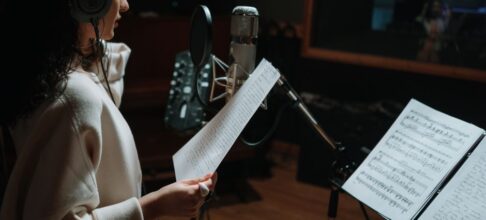
Inside Copenhagen’s Mainstream Studio, you’ll see a typical scenario: three sound engineers rotate shifts on both live-action and animation dubs for platforms like Viaplay and HBO Nordic. The workflow is meticulous—translation teams coordinate with linguists specializing in tone and dialect (Jutlandic nuances still rile up directors), while local actors record scenes in rapid cycles.
A standard -episode animated series project here involves:
- – local voice talents (sometimes union)
- 2–3 weeks of recording sessions per season
- Additional post-production layers for lip sync or timing tweaks
By industry estimates collected from Scandinavian post houses, such projects can inject upwards of €,–€, into Denmark’s creative sector per series run—excluding knock-on effects such as freelance translators and regional marketing spend.
AI Dubbing: Threat or Multiplier?
Since , several studios have quietly experimented with AI-driven dubbing solutions like Respeecher or Deepdub to speed up pilots and trailers. But most major campaigns still demand human nuance. When Norwegian game developer Funcom localized its survival game “Conan Exiles” into Danish last year, they started with synthetic voices but reverted to human actors after player feedback called out “robotic delivery.”
For now, AI tools are more common in test runs or internal training videos than consumer-facing entertainment—a pattern seen in Denmark as much as elsewhere in Europe.
Danish Voice Over Beyond Entertainment: E-Learning & Advertising Surge
It isn’t just Hollywood money flowing into Denmark. Since COVID lockdowns forced schools online, e-learning companies like Clio Online ramped up their investments in native language audio for digital curricula—often partnering with agencies such as SpeakOnline ApS based near Aarhus.
Corporate advertising has followed suit. Media agencies executing pan-Nordic campaigns frequently insist on authentic local narration for TVCs and digital ads—a trend confirmed by Mediacom’s Scandinavian division reporting a % increase in demand for region-specific voice overs since late .
Case Study: LEGO Group’s Internal Training Push
One scenario where economic impact is visible at scale: LEGO Group’s internal HR department commissioned over fifty hours of safety training material re-recorded from English into Danish (and other Nordic languages) between –. Using two local studios and around a dozen voice artists per language cycle—not only did this support local talent pools but also reportedly reduced training errors among shop floor staff by nearly %, according to internal metrics shared during an industry conference last fall.
Ripple Effects: Talent Pipelines & Export Opportunities
This surge has reshaped career paths inside Denmark too. The National School of Performing Arts reports that applications for its specialized voice acting courses doubled between and —a direct response to new opportunities not just at home but abroad.
Meanwhile, there’s growing cross-border collaboration with German and Dutch studios working on pan-European releases; some mid-size post-production firms in Odense now report up to one-third of their revenues tied directly or indirectly to international co-productions requiring Danish-language assets.
The Numbers Game—and Its Limits
Pinning down total economic impact is tricky given fragmented accounting across freelance talent, studio wages, software spend and downstream marketing budgets. Still, insiders at Zentropa Post estimate that total annual spending on professional-grade Danish-language voice work (including e-learning and ad segments) crossed € million nationwide by late —a figure unthinkable before the streaming boom.
Yet challenges remain—especially around wage competition with larger markets like Germany or Sweden, and ongoing pressure from automation technology threatening entry-level roles.
Realities from the Booth Floor: It Isn’t All Glamourous Work
A recent behind-the-scenes look at SoundVision Studio reveals another side: rushed timelines during peak season (“We dubbed three films back-to-back last July; our director almost slept on the couch”) and translation headaches when idioms clash (“How do you even translate ‘it’s raining cats and dogs’ so it lands naturally?”). These aren’t isolated stories—they’re part of what makes this slice of Denmark's creative economy both dynamic…and distinctly human-centric still.
Where Next? Not Just Local Voices Anymore
The real future might lie less in pure translation than hybrid workflows blending human performance with smart automation—and exporting those skills outward rather than inward alone. With platforms like Spotify investing heavily in podcast localization across Europe (they’ve targeted Copenhagen-based talent agencies since mid-), the next wave may see Danish voices traveling further afield than ever before—in gaming headsets across Berlin apartments or YouTube explainers watched by students worldwide.