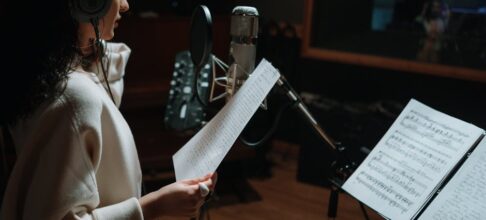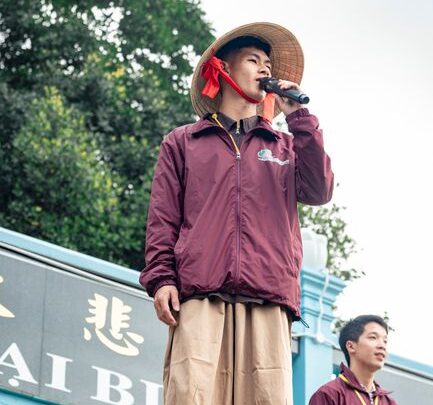
Nobody predicted that a four-minute animation trailer for a mobile game would become a litmus test for the Chinese voice over industry. In early , miHoYo’s Genshin Impact studio released an in-game cinematic featuring both Mandarin and Cantonese dubs—produced almost simultaneously. The internet’s reaction? The Mandarin track, recorded at Shanghai's Soundfirm Studios, was lauded for its subtlety and emotional nuance; the Cantonese one, outsourced to a smaller Hong Kong team, felt stilted by comparison. What went right—and what went wrong?
The Unseen Layer: Beyond the Booth
Walk into any professional voice over session in Shenzhen or Beijing and you’ll see an odd mix: classic Neumann mics next to AI-powered script assistants running on battered laptops. China’s VO workflows are never just about recording clean audio; they’re about orchestrating layers—local dialects (Sichuanese, Hokkien), cultural references that must land, even legal compliance checks (all scripts pass through government review if destined for broadcast). This is not simply “dubbing into Chinese.” It’s a negotiation between regional authenticity and national standardization.
From Dongguan to Netflix: A Typical Workflow
Consider Red Dragon Dubbing Studio in Dongguan—a mid-sized outfit with twenty-six staffers and contracts ranging from children’s anime to e-commerce explainer videos. Their process typically starts with script localization (Mandarin adaptation from English or Japanese sources), but rarely stops there:
- Directors will often audition up to local talents before settling on three finalists per role.
- Once cast, actors receive not only translated scripts but also video guides showing gestures and mouth movements (“lip sync” accuracy matters more than most outsiders think).
- All sessions are monitored by two layers of quality control—one technical (audio engineer) and one linguistic (native speaker panel).
- Courses were adapted into simplified Mandarin with region-specific idioms added based on client sector (tech versus hospitality training).
- Yuyin insisted on casting trainers who could shift between formal office register and more casual conversational tones—a nuance Australian producers hadn’t considered vital until hearing pilot recordings side-by-side.
- The project spanned six weeks from first script delivery to final mastering—twice as fast as Learnify's previous attempts via Western agencies unfamiliar with local expectations.
Red Dragon estimates that over % of projects now involve at least some level of AI-assisted dialogue cleaning or timing adjustment. Yet their managers say final takes still depend on "gut feel" during live direction—a curious blend of digital precision and old-school artistry.
Streaming Wars: Platforms Change the Game
Tencent Video’s original series output has nearly doubled since ; iQIYI pushes out more than new dubbed shows monthly across its mainland catalog. But this boom comes with challenges. One Beijing-based localization manager describes how deadlines have shrunk dramatically: “We used to have three weeks for a season of voice work—now it’s seven days.”
To cope, many teams have adopted tools like iFLYTEK’s Speech Synthesis Platform as pre-dub placeholders. These AI voices stand in during editing rounds until human talent can record final tracks—a practice especially common in large-scale web series production.
Gaming Voices: Not Just About Mandarin
Western studios sometimes assume that “Chinese voice over” means Standard Mandarin alone. But look at NetEase Games’ Shanghai division: when prepping their MMORPG launches for southern provinces, they routinely produce separate Cantonese versions—even though these represent less than % of total player base nationwide. Why bother? Because word-of-mouth among regional fan communities can make or break launch momentum.
One memorable case involved a Taiwanese game launch where fan backlash erupted after discovering only generic mainland accents were used in key roles. Within days, the studio scrambled to re-record select characters using Taipei-based actors—a costly fix but one that led to a measurable surge in app store ratings (up nearly half a star within two weeks).
A Short Detour: When History Shaped the Industry
It wasn’t always this complex—or competitive. Until the late 1990s, most foreign films imported into China were dubbed by just three state-run studios (Shanghai Film Dubbing Studio being the powerhouse). That changed around when streaming platforms first gained traction and demand exploded for localized content—not just big-budget features but also reality shows, games, ad campaigns.
Now small agencies from Chengdu or Suzhou routinely win contracts once reserved exclusively for Beijing giants.
Inside a Real Campaign: Australian E-Learning Goes East
In , Sydney-based e-learning provider Learnify embarked on its first campaign targeting Chinese corporate clients. Rather than subcontracting entirely to an overseas vendor, they collaborated directly with Shanghai’s Yuyin Media Studio:
The result? Repeat business from three Chinese conglomerates—and better NPS scores among end users citing “relatability” of content voice style.
Why Authenticity Still Wins Out
For all the talk of automation and scale, industry veterans repeatedly emphasize what can’t be faked: emotional connection rooted in lived experience. As one Guangzhou creative director put it last year after reviewing synthetic test reads for an indie drama dub: “The AI got the words right—but not once did I believe it was my mother scolding me.”
Chinese voice over today is not just an assembly line—it’s improv theater performed inside algorithmic guardrails, shaped by local tastes but chasing global benchmarks every day.