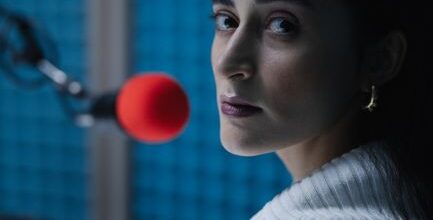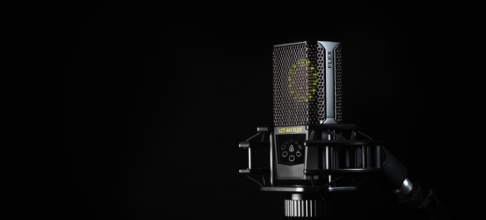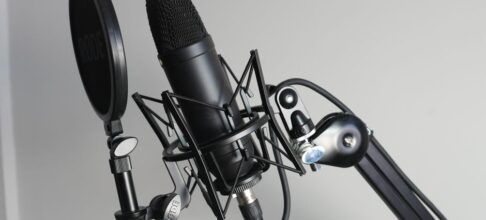
The first time I visited a midtown Manhattan recording studio—one of those glassed-in spaces with more microphones than chairs—I watched a session that felt less like acting and more like surgery. The director stopped the talent mid-sentence, asked for a "more neutral R," and then again, this time with “smile in your voice.”
This is the reality behind American Voice Over: precise, iterative, often invisible, but always deliberate. People hear finished tracks on Netflix originals or EA Sports games and imagine an actor reading lines into a fancy mic. That’s part of it—but the real process is messier.
From Audition to Booking: The Gatekeepers
In Los Angeles’ competitive scene, over % of professional voice actors land jobs through agents or specialized casting platforms like Voices.com. Agents still dominate high-end commercial and animation work; meanwhile, indie game studios in Portland or Austin increasingly use online portals for English-language localization.
A typical workflow? At Sound Lounge in New York—a post-production mainstay since the late '90s—casting directors receive thousands of auditions per project. For a major brand campaign (think Amazon or Coca-Cola), they’ll narrow down to – voices before callbacks. But even small podcasts now audition remotely from as far as Vancouver.
Script Prep: Markup or Mayhem?
One overlooked step: prep. In American workflows, scripts are rarely delivered "cold." Directors or script editors will often annotate documents with tone notes ("warmth," "urgent," "wry") and even phonetic reminders—especially for tech products (“LiDAR,” “CRISPR”) or regionalisms. A recent GSK pharma spot needed three different intonations for the word “efficacy,” which led to five takes per line.
The Recording Room Is Not a Sanctuary
Step inside LA’s Studiopolis during an anime dub session and you’re likely to see two engineers, one ADR director, one script supervisor—and sometimes the client on Zoom from Tokyo. Sessions can run four hours straight.
It’s not uncommon for a -second ad spot to require upwards of takes across four different reads (friendly/authoritative/quirky/informational). For interactive media—say, Ubisoft's open-world titles—the take count multiplies fast; each dialogue branch demands subtle variation so responses don’t sound robotic when stitched together by game engines.
Editing: Cutting Without Mercy
After tracking comes editing. Editors at companies like NYC-based Hyperbolic Audio routinely sort through hundreds of takes per hour-long session. Their task isn’t just about trimming silences—it’s emotional curation:
- Which read sounds least forced?
- Is there unwanted mouth noise?
- Will this match other localized versions?
For international campaigns (Apple’s global iPhone launches come to mind), American English tracks are often locked last because they serve as timing references for German, French, or Korean dubs downstream.
AI Tools—or Just Another Headache?
Since around , AI tools such as Descript and Respeecher have crept into the review process—not to replace talent but to create scratch tracks quickly for animatics or rough cuts. A San Francisco e-learning platform recently used synthetic voices for internal reviews before hiring live actors for final polish. The consensus among most US studios: synthetic reads help speed up early approvals but almost always get replaced by human performances in broadcast spots.
Case Study: Localization for Streaming Platforms
Look at Netflix's approach after its global expansion push. For their original docuseries targeting both North America and Western Europe, they coordinated with London-based VSI Group—an industry giant handling multi-language dubs—to ensure that American English narration wasn’t just clear but regionally neutral (think non-regional diction blended with soft consonants).
Netflix required all VO files delivered in Pro Tools format with strict amplitude specs (- LUFS average), forcing even veteran New York narrators to re-record lines if metering was off by more than half a decibel.
Reality Check: Not All Glamour—and Fewer Booths Than You’d Think
Contrary to Instagram posts about home studios, only about % of professional VO gigs are recorded entirely remotely according to several East Coast agencies polled last year. While pandemic years saw home setups spike—including Source-Connect bridging artists in Atlanta with producers in Berlin—the pendulum has partly swung back toward controlled environments due to security demands (especially on unreleased trailers).
A voice actor working on an Activision title described being flown into Burbank under NDA, spending two days recording grunts and combat calls at -6dB peaks—then never seeing her character again until release six months later.
Evolving Tastes—and Subtle Shifts Since the Late 2000s
Back around –, you couldn’t escape the Don LaFontaine-style movie trailer baritone (“In a world…”). Today? Agencies request everything from whispery intimacy (for wellness apps) to millennial deadpan (for fintech startups). Real-world example: Spotify’s recent podcast slate features conversational narration recorded out of Brooklyn lofts rather than pristine Hollywood booths—deliberately rougher around the edges.
Final Polishing—or Endless Tweaks?
In big-market audio houses like Eleven Sound Chicago, directors may spend another full day tweaking EQ curves and de-essing sibilants before sign-off if clients demand it—the difference between “good enough” and “global flagship” can be an extra $5k in post costs alone.
Many smaller ad agencies now build these audio iterations into contracts up front—a trend that spread quickly after major streaming services began requesting mix revisions even after initial approval rounds.
So what makes American Voice Over unique? It isn’t just accent-neutrality or production value—it’s how every step is calibrated against client expectations across industries that rarely see eye-to-eye on what “authentic” even means.