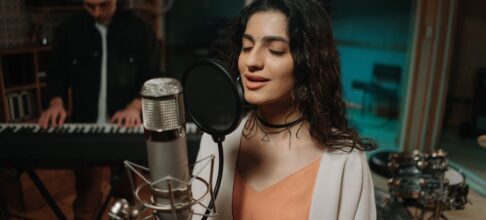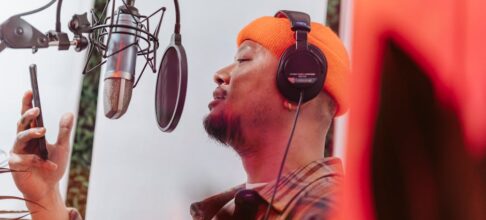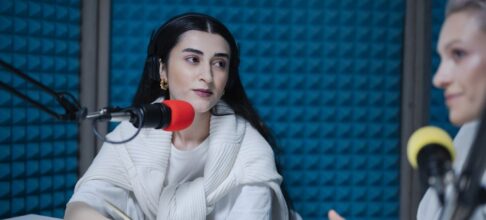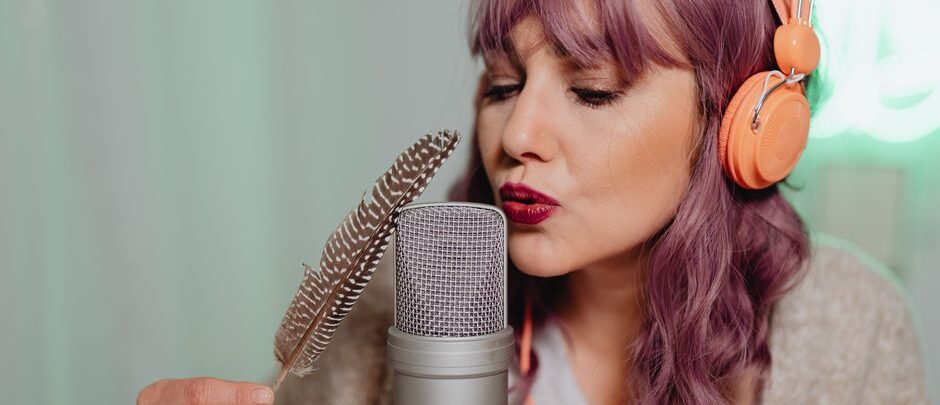
There’s a certain stubbornness to the idea that every corner of media will eventually be smoothed over by digital innovation. Yet, walk into a small post-production suite on Abovyan Street in Yerevan, and you’ll see something different: headphones tangled, scripts marked up by hand, engineers toggling between Pro Tools tracks while an actor—maybe Arman Khachaturian or Maria Kharatyan—reads lines for an educational app destined for diaspora kids in Los Angeles. “We don’t do things fast,” one studio manager told me last spring, half-joking, half-defiant. “We do them Armenian.”
The Armenian voice over industry has never been about scale. Historically marginalized by the Soviet dubbing apparatus (which ran everything through Moscow until well into the late 1980s), it wasn’t until after independence that local studios like Sharm Holding started making their own mark. By , Sharm was producing Armenian-language versions of international cartoons and commercials—a shift driven as much by cultural pride as commercial logic.
Digital Disruption? Yes—but Not All at Once
Here’s where skepticism creeps in: Look at global localization workflows—Netflix dubs entire libraries simultaneously across + languages using cloud-based casting tools (think ZOO Digital or Iyuno-SDI). Armenia just isn’t on that map yet. Instead, you’re more likely to find hybrid setups—an engineer with a cracked copy of Cubase collaborating via WhatsApp with an LA-based client who wants a "neutral" Yerevan accent.
And yet there is movement. In , SoftConstruct—a major tech company based out of Yerevan—piloted AI-driven narration for its e-learning modules targeting Russian and Armenian audiences. Their workflow combined synthetic voices from Microsoft Azure’s neural TTS library with manual corrections from veteran voice actors. The result? Faster turnaround (about % less time per module) but still dependent on native speakers for authenticity checks and idiomatic fixes.
Subtitles vs. Dubbing: The Diaspora Dilemma
In Glendale or Marseille, the debate isn’t just technical—it’s generational. First-generation immigrants prefer authentic dubbed content (“You hear your grandmother’s intonation!” one user told me), while younger viewers are more tolerant—even expectant—of subtitles or AI-assisted voicing. Distribution platforms such as Haykakan TV Online have reported steady increases in subtitled content consumption among under-25s; meanwhile, traditional broadcasters like Armenia TV still invest heavily in high-quality local dubbing for Turkish and Russian soap operas.
Case Study: Gaming Gets Serious About Language Nuance
While big streaming hasn’t put Armenia front-and-center, game localization is another story entirely. In early , indie studio PigCell Games released a mobile RPG designed specifically for regional markets—including full Armenian VO support alongside Russian and Georgian tracks. Their approach? They sourced actors not only from Yerevan but also Gyumri (“the dialect variation matters if you want credibility,” says their lead audio producer). Sessions were remote when pandemic conditions required it—but always supervised live to ensure accuracy.
PigCell’s workflow involved rough passes using ElevenLabs’ voice cloning tools before final takes by humans—essentially letting AI handle temp tracks so creative teams could iterate faster before committing talent budgets for proper recording sessions.
Why Silicon Valley Isn’t Chasing Armenian Voices (Yet)
Let’s be blunt: there are fewer than 7 million speakers globally, including diaspora communities scattered from Sochi to Sydney. For now, US-based voice tech companies like Speechmatics or Descript prioritize market share over minority language nuance; Armenian remains low-priority compared to Korean or Polish.
Still, there are exceptions at the edges: Linguava Interpreters—a Portland-based language services firm specializing in healthcare access—reported an uptick in requests for both live interpreting and pre-recorded health information in Western Armenian since mid-, linked partly to new US state mandates around inclusive patient care materials.
AI Voices Sound Like... Progress?
Synthesized speech is improving rapidly—even Google added Eastern Armenian to its Cloud Text-to-Speech API last year—but no one I spoke with believes machine voices can fully replicate the textured realism needed for children’s animation or historical documentaries anytime soon.
That said, efficiency counts elsewhere: A Tel Aviv-based edtech startup recently launched a pilot project translating STEM lessons into six languages—including Armenian—for remote learners in rural Tavush province. Their compromise? Automated narration first; final edit by a linguist-moderator based out of Vanadzor who polishes tone and pace manually before release.
Bumps Along the Way—and Persistent Pain Points
Ask anyone working day-to-day inside these studios what keeps them up at night and they’ll mention two things: lack of standardized training pipelines (most talent learns on-the-job) and unpredictable demand cycles tied tightly to funding whims from diaspora NGOs or overseas partners rather than domestic TV networks.
It’s telling that even established houses like Ucom Media Center occasionally outsource specialized projects to freelancers abroad via platforms such as Upwork—especially when dealing with medical terminology or fantasy genre nuances unfamiliar to locally trained talent pools.
A Glimpse Ahead: Where Legacy Meets Experimentation
What most outside observers miss is how experimental this space actually is—in fits and starts. For example:
- A documentary series about Komitas Vardapet airing on Public Television of Armenia used both archival recordings spliced with contemporary actor narration processed through spectral editing software—a hybrid aesthetic that would have been unthinkable even five years ago.
- On social media fronts, influencer campaigns increasingly rely on short-form voice overs recorded directly on smartphones using apps like Voloco or Ferrite; some agencies now budget extra hours just for audio meme production because “that’s what gets shared,” according to Sona Grigoryan at digital marketing agency BAREV Media Lab (Yerevan).
- Many post-production managers insist on multiple takes featuring slightly different dialectical coloring—even if clients push back (“That sounds too Gyumri”).
- Meanwhile, diaspora funders sometimes specify Western vs Eastern pronunciation depending on target audience—a logistical headache but also a creative opportunity for subtle code-switching within single projects.
- Short-form educational content sees far higher velocity; during COVID lockdowns alone there was an estimated tenfold surge in children’s audiobook production according to data shared informally by Bookinist.am staffers.
- Podcasting has emerged almost overnight as a viable outlet: Yerevan FM launched its first serialized drama podcast with full cast recording sessions held remotely during winter power outages last year—a logistical nightmare but also proof that passion trumps infrastructure gaps when circumstances demand it.
Is There Room For Standardization—or Would That Kill It?
One recurring argument within professional circles is whether attempts at standardizing pronunciation (for example via dictionaries codified by linguistic institutes) would sanitize away regional color—the very thing audiences cherish most about native-tongue productions.
In practice:
Numbers Don’t Lie—but They Do Mislead Sometimes...
It’s easy enough to point out that the total number of completed longform dubbing projects annually in Armenia hovers somewhere between – titles per year across all genres—a fraction compared to Poland (where voice over output tops several hundred annually thanks largely to Netflix/Disney+ investments since ). But those numbers obscure smaller victories:
The Human Element Refuses To Disappear
in every studio I’ve visited—from makeshift closets lined with carpet tiles near Republic Square to gleaming multi-room facilities servicing pan-Caucasus clients—the thing that stands out most isn’t technology per se but improvisation: people hacking together solutions as budgets allow while keeping one eye fixed firmly on authenticity instead of speed alone."If we wanted only perfect pronunciation," joked one mixer recently," we'd just use robots." No one laughed harder than his youngest VO artist—who’d just flubbed her fourth take but insisted she could make it work next time.